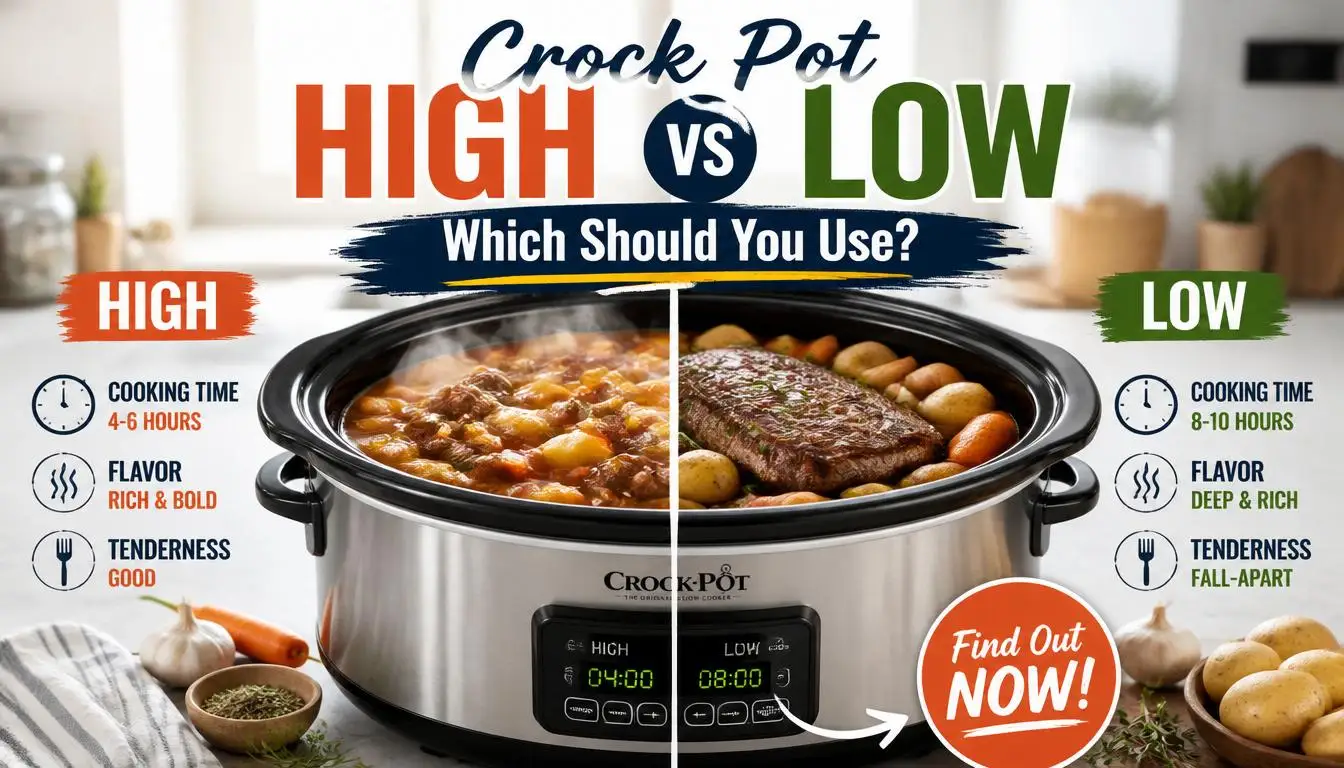
The main difference between crock pot high vs low settings is the cooking speed, not the final temperature. Both settings eventually reach a similar maximum temperature, but the high setting heats food faster, while the low setting cooks food gradually for deeper flavor development and more tender results.
Slow cookers have become one of the most useful kitchen appliances for busy households. Whether you’re preparing a hearty stew, tender pulled pork, or a comforting soup, understanding your crock pot settings can make a significant difference in the final dish.
Many home cooks wonder whether they should use the high or low setting. The confusion is understandable because recipes often provide both options without explaining the actual differences. Choosing the wrong setting can lead to overcooked vegetables, dry meat, or food that simply doesn’t taste as good as it could.
In this guide, you’ll learn everything about crock pot high vs low settings, crock pot temperatures low high warm, how slow cooker temperatures work, and when to use each setting for the best cooking results.
Why Understanding Crock Pot High vs Low Matters
A crock pot is designed to cook food slowly over an extended period. Unlike ovens or stovetops, slow cookers maintain consistent temperatures that gradually break down tough cuts of meat and allow flavors to blend together.
When people misunderstand crock pot settings, several common problems occur:
- Meat becomes dry or stringy.
- Vegetables turn mushy.
- Soups become overly thick.
- Meals finish too early.
- Food lacks flavor development.
Research from appliance manufacturers shows that slow cooking remains one of the most energy-efficient cooking methods for home kitchens. As smart kitchen technology continues to grow in 2026, understanding traditional slow cooker functions is still essential for achieving consistent results.
Many families rely on slow cookers because they save time and reduce daily meal-preparation stress. Knowing exactly when to use high or low settings helps maximize the benefits of this kitchen essential.
“Good food is very often, even most often, simple food.”— Anthony Bourdain, Chef and Author
Best Solutions: Understanding Crock Pot Settings and Their Uses
The key to mastering crock pot settings meaning is understanding what each setting actually does.
Low Setting
Pros:
- Creates tender meat
- Better flavor development
- Less risk of overcooking
- Ideal for all-day cooking
Cons:
- Takes longer
- Requires more planning
Best for:
- Beef roast
- Pork shoulder
- Chili
- Soups
- Bone broth
High Setting
Pros:
- Faster cooking
- Great for last-minute meals
- Convenient on busy days
Cons:
- Can overcook delicate ingredients
- Slightly less flavor development
Best for:
- Chicken dishes
- Soups
- Quick stews
- Weeknight meals
Warm Setting
Pros:
- Keeps food safe for serving
- Prevents cooling
- Useful for gatherings
Cons:
- Not intended for cooking
- Extended holding can affect texture
Best for:
- Buffets
- Family dinners
- Potlucks
Smart Slow Cooker Features in 2026
Modern kitchen essentials now include:
- Wi-Fi-enabled crock pots
- Mobile app controls
- Automatic temperature adjustment
- AI-assisted cooking programs
- Energy monitoring features
These innovations make it easier than ever to manage slow cooker temperatures low high warm settings effectively.
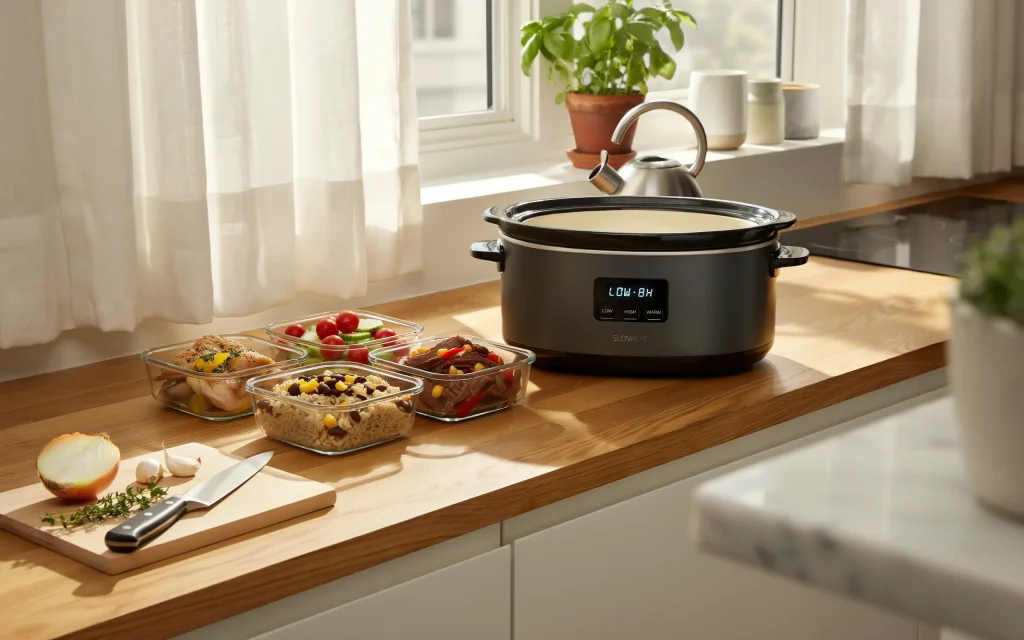
Step-by-Step Guide to Choosing the Right Crock Pot Setting
1. Check the Recipe
Review recommended cooking times and ingredients.
2. Determine Available Time
If you’ll be away all day, choose low.
3. Consider the Protein
Tough cuts benefit from low and slow cooking.
4. Evaluate Vegetables
Soft vegetables cook better on low.
5. Use High for Faster Meals
Select high when cooking time is limited.
6. Monitor Liquid Levels
Slow cookers retain moisture efficiently.
7. Avoid Frequent Lid Opening
Each lid lift can add 15-20 minutes to cooking time.
8. Switch to Warm When Finished
Use warm only after food has fully cooked.
A useful rule of thumb is: 1 hour on High ≈ 2 hours on Low
For example:
- 4 hours High ≈ 8 hours Low
- 5 hours High ≈ 10 hours Low
This conversion helps when adjusting recipes to fit your schedule.
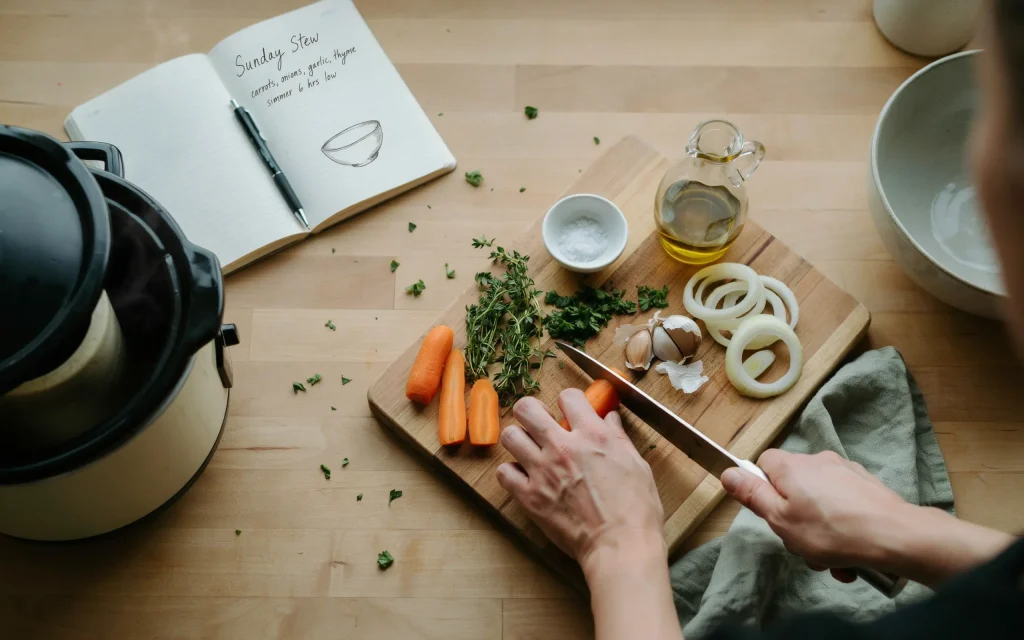
Crock Pot Temperatures Low High Warm Explained
One of the biggest misconceptions is that high gets much hotter than low.
In reality, both settings generally reach a similar maximum temperature.
Typical Crock Pot Temperatures
| Setting | Approximate Temperature |
|---|---|
| Warm | 145°F–165°F (63°C–74°C) |
| Low | 190°F–200°F (88°C–93°C) |
| High | 280°F–300°F (138°C–149°C) during heating, eventually stabilizing near cooking temperatures |
The actual temperatures vary by manufacturer and model.
What Low Does
Low gradually raises food temperature and maintains a gentle simmer.
What High Does
High reaches cooking temperature much faster.
What Warm Does
Warm keeps food above the food-safety danger zone but should not be used to cook raw ingredients.
Understanding crock pot temperatures low high warm can help prevent undercooking and improve meal quality.
Expert Tips & Common Mistakes
Pro Tips
- Use low whenever possible for tougher meats.
- Fill your crock pot between half and three-quarters full.
- Brown meat before slow cooking for deeper flavor.
- Use smart slow cooker timers for precise control.
- Layer root vegetables at the bottom for even cooking.
Common Mistakes to Avoid
- Opening the lid too often.
- Adding too much liquid.
- Using the warm setting to cook food.
- Overfilling the crock pot.
For example, many beginners assume soups need extra water. Because slow cookers trap moisture, recipes usually require less liquid than stovetop versions.
Another mistake is placing delicate vegetables at the bottom. Potatoes and carrots should go near the heat source, while softer vegetables can be added later.
“Cooking is like love. It should be entered into with abandon or not at all.”
— Harriet Van Horne, Columnist
FAQs
What is the difference between crock pot high vs low settings?
The main difference is cooking speed. High heats food faster, while low cooks gradually. Both settings ultimately achieve safe cooking temperatures, but low often produces more tender and flavorful results.
Can I switch from high to low during cooking?
Yes. Many cooks start on high for one hour and then switch to low for the remaining cooking time. This approach can help speed up the initial heating process.
What are crock pot settings meaning for warm mode?
Warm mode is designed to keep fully cooked food at a safe serving temperature. It should not be used to cook raw meat or uncooked ingredients.
What are typical slow cooker temperatures low high warm?
Warm typically ranges from 145°F to 165°F. Low generally operates around 190°F to 200°F, while high reaches cooking temperatures more quickly and may initially exceed those levels.
Is low better than high for meat?
In most cases, yes. Tough cuts like chuck roast, brisket, and pork shoulder become more tender when cooked slowly on low.
Can I leave my crock pot on warm overnight?
Most manufacturers recommend using warm only for short-term food holding. Check your owner’s manual for specific guidance.
Does a crock pot use a lot of electricity?
No. Slow cookers are generally energy-efficient appliances and typically use less electricity than conventional ovens.
Conclusion
Understanding crock pot high vs low settings is one of the simplest ways to improve your slow-cooked meals. While both settings eventually cook food safely, the low setting offers superior tenderness and flavor development, especially for tougher cuts of meat. The high setting remains valuable when time is limited, and the warm setting is perfect for serving.
Modern crock pot settings continue evolving with smart technology, but the fundamentals remain the same. By learning crock pot temperatures low high warm and applying the right setting for each recipe, you’ll create more consistent and delicious meals while saving time in the kitchen.
Try these kitchen tips today and start getting the most from your slow cooker. Small adjustments to your crock pot settings can make a surprisingly big difference in every meal you prepare.
“No one is born a great cook, one learns by doing.”— Julia Child, Chef and Author
For more expert guidance, visit Serious Eats — one of the most trusted resources for kitchen techniques, tested recipes, and food science. Their detailed guide on slow-cooking methods and kitchen equipment testing offers valuable insights that complement the techniques discussed in this article.
“I believe great cooking starts with the right tools, trusted advice, and a little confidence in the kitchen.”
Hi, I’m Emma Carter. My love for cooking began in my grandmother’s kitchen, where I learned that every great meal starts with simple ingredients and the right cookware. Over the years, I’ve spent countless hours researching, testing, and comparing kitchen appliances, cookware, coffee makers, air fryers, and other everyday kitchen essentials.
Here at KiCook, my goal is to make your buying decisions easier with honest product reviews, practical buying guides, and easy-to-follow cooking tips. Whether you’re upgrading your kitchen or searching for the best appliance for your home, I focus on providing clear, reliable, and research-backed information you can trust.
When I’m not testing new kitchen gadgets or writing in-depth guides, you’ll usually find me trying new recipes, visiting local farmers’ markets, or enjoying a quiet cup of coffee while planning my next kitchen project.