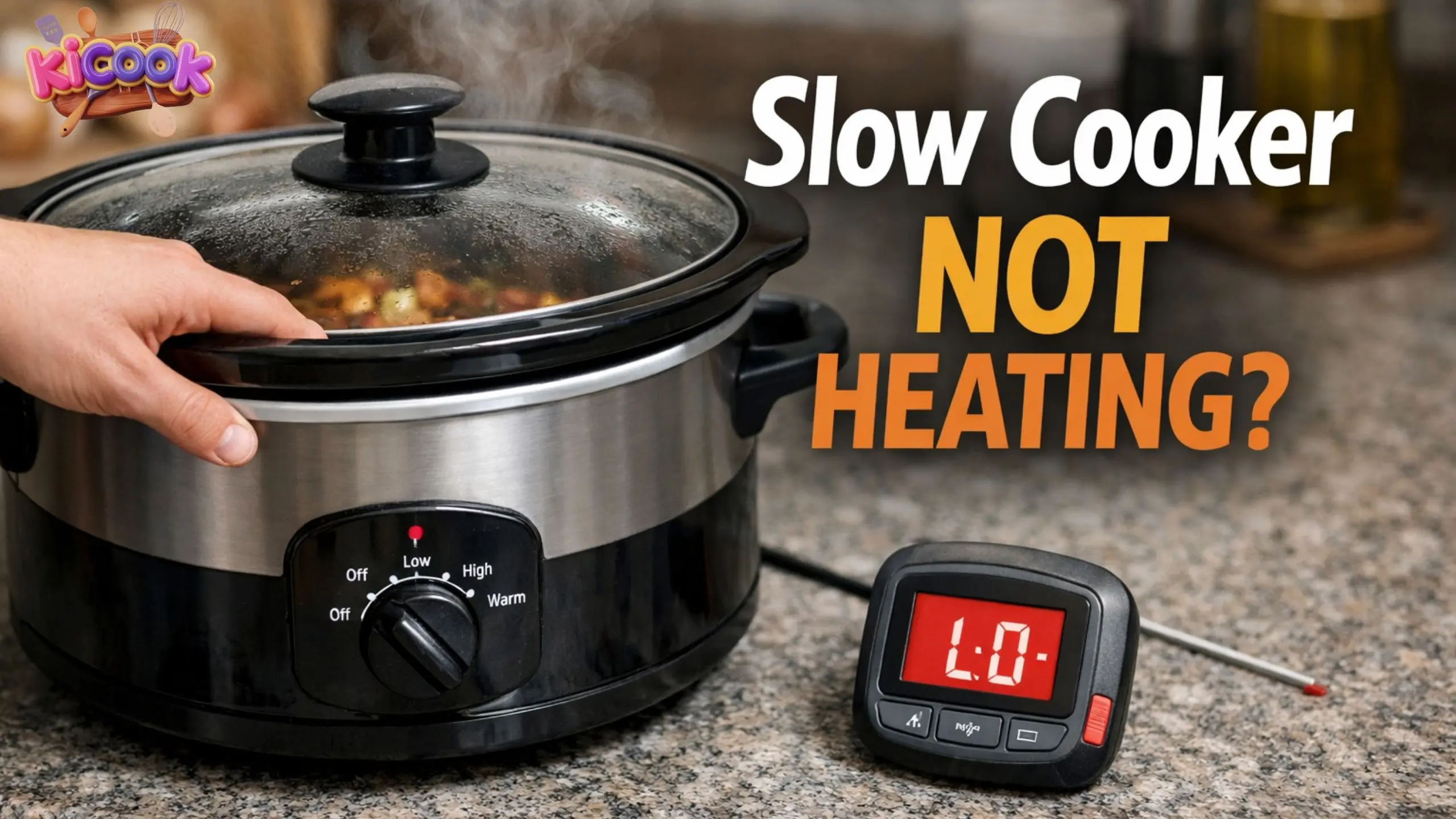
Is your slow cooker not heating like it used to? You rely on this handy kitchen tool to save time and make meal prep easy, so when it stops warming up, it can be really frustrating.
Don’t worry, you’re not alone, and there are simple ways to figure out what’s wrong. Keep reading to discover common reasons why your slow cooker isn’t heating and how you can fix it quickly. You’ll be back to enjoying warm, delicious meals in no time.
Common Causes
Slow cookers are convenient kitchen tools that save time and effort in meal preparation. When a slow cooker does not heat properly, it can cause frustration and spoil your cooking plans. Understanding the common causes of slow cooker heating issues helps in quick diagnosis and repair.
This section explains the main reasons behind a slow cooker not heating, focusing on power supply, heating elements, temperature control, and lid or seal problems.
Power Supply Issues
One of the most frequent reasons a slow cooker won’t heat is a problem with the power supply. Without electricity, the device cannot function. Check these points to rule out power supply issues:
- Power cord damage: Look for cuts, frays, or exposed wires.
- Plug connection: Ensure the plug fits tightly into the wall socket.
- Outlet problems: Test the outlet with another device to confirm it works.
- Tripped circuit breaker: Reset breakers if necessary.
Use this table to help identify power supply problems:
| Issue | Check | Solution |
|---|---|---|
| Damaged cord | Visible wear or cuts | Replace power cord |
| Loose plug | Plug fits loosely | Secure or replace plug |
| Outlet failure | Device not powering on | Test outlet or use another |
| Tripped breaker | No power in outlet | Reset breaker panel |
Always unplug the slow cooker before inspecting the power supply to stay safe. Power issues are simple to fix but often overlooked.
Faulty Heating Element
The heating element inside the slow cooker creates the heat needed for cooking. If this component fails, the cooker will not heat up. Signs of a faulty heating element include:
- No heat production despite power supply working
- Burning smell or strange noises
- Uneven cooking or temperature drops
Heating elements can break due to wear and tear, electrical faults, or internal damage. Testing the element requires a multimeter to check for continuity. A reading of zero or infinite resistance indicates a broken element.
Here is a simple checklist for heating element issues:
- Unplug and remove slow cooker insert
- Access the heating element area
- Use a multimeter to test continuity
- Replace element if no continuity
Replacing the heating element may need professional help if you are not comfortable with electrical parts. Avoid using the slow cooker until the problem is fixed to prevent hazards.
Damaged Temperature Control
The temperature control regulates the heat level inside the slow cooker. Damage or malfunction in this control can stop the cooker from heating or cause erratic temperatures. Common causes include:
- Faulty thermostat sensor
- Broken control knob or switch
- Loose wiring connections
Temperature controls wear out over time due to frequent use and heat exposure. Symptoms of damaged controls:
- Slow cooker not reaching set temperature
- Temperature fluctuates during cooking
- Control knobs feel loose or stuck
Fix steps for temperature control issues:
- Unplug the unit
- Remove control panel cover
- Inspect wiring and sensor connections
- Test thermostat with a multimeter
- Replace faulty parts as needed
Proper temperature control ensures food cooks evenly and safely. Ignoring control faults can lead to undercooked or overcooked meals.
Lid And Seal Problems
Lid and seal problems may not directly stop heating but can cause heat loss, making the cooker seem like it is not heating. A damaged or ill-fitting lid affects cooking results by letting heat escape. Look for these issues:
- Cracks or chips in the lid
- Worn or missing rubber gasket or seal
- Lid does not close tightly
Heat loss leads to longer cooking times and unevenly cooked food. Checking the lid and seal regularly helps maintain slow cooker efficiency. Tips to fix lid and seal problems:
- Replace the rubber gasket if brittle or torn
- Clean the lid and seal to remove debris
- Ensure the lid fits snugly and locks if applicable
Proper sealing keeps heat inside and speeds up cooking. A small lid or seal problem can cause big cooking issues.

Credit: www.reddit.com
Troubleshooting Steps
Troubleshooting a slow cooker not heating requires a careful look at several key parts. Appliance heating issues can come from simple problems like power supply faults or more complex ones like heating element malfunction. This section guides you through clear steps to find the cause. Follow these to fix your slow cooker without extra cost or stress. Understanding these steps also helps with regular slow cooker maintenance tips to avoid future problems.
Check Power Source
Start by checking the slow cooker power supply. A faulty or loose connection can cause the slow cooker not turning on or heating.
- Make sure the slow cooker is plugged into a working outlet.
- Try plugging another device into the same outlet to test it.
- Look for visible damage on the power cord or plug.
- Avoid using extension cords which may cause power drops.
If the outlet works but the slow cooker still does not heat, check the power switch or buttons. Dirt or debris can block proper contact. Clean the switch gently with a dry cloth.
| Issue | Possible Cause | Solution |
|---|---|---|
| Slow cooker not turning on | Loose plug or bad outlet | Test outlet and secure plug |
| Intermittent power | Damaged power cord | Replace or repair cord |
Checking the power source is the first and simplest step in slow cooker troubleshooting.
Inspect Heating Element
The heating element malfunction is a common reason for slow cooker temperature problems. The heating element heats the pot and keeps food cooking.
Follow these steps:
- Unplug the slow cooker before inspection to avoid electric shock.
- Remove the ceramic pot and look at the heating element inside the base.
- Check for visible breaks, burns, or corrosion on the coil or metal plate.
- Use a multimeter to test for continuity. No continuity means the element is broken.
Heating element malfunction requires replacement or professional slow cooker repair. Continuing to use a damaged heating element risks further damage or safety issues.
Signs of heating element problems include:
- Slow cooker not heating evenly.
- Food takes too long to cook.
- Burning smell or unusual noises.
Regular slow cooker maintenance tips include cleaning the heating element area and avoiding water contact with electrical parts.
Test Temperature Settings
Slow cooker temperature control can fail due to faulty dials or digital controls. This leads to slow cooker temperature problems where the device does not heat as expected.
Steps to test temperature settings:
- Turn the slow cooker on to each temperature setting (Low, High, Warm).
- Use a kitchen thermometer inside the pot to measure the temperature after 30 minutes.
- Compare the readings with the expected temperature range:
| Setting | Expected Temperature (°F) |
|---|---|
| Low | 190–200 |
| High | 280–300 |
| Warm | 145–165 |
If temperatures are too low or do not change with the dial, the temperature control may be faulty. This can require professional help or replacement of the control knob or circuit.
Keep controls clean and dry. Avoid using excessive force on knobs. These slow cooker maintenance tips help prevent temperature control failure.
Examine Lid Fit
Slow cooker lid issues affect cooking by letting heat escape. A loose or damaged lid stops the slow cooker from reaching the right temperature.
Check the lid fit with these tips:
- Place the lid on the slow cooker and press down gently.
- Look for gaps between the lid and pot edge.
- Inspect the lid for cracks, chips, or warping.
- Ensure the lid handle is secure and not loose.
A poor lid fit causes longer cooking times and can lead to uneven heating. Replace the lid if damaged or use a tight-fitting alternative.
Good lid fit is part of slow cooker maintenance tips. Always place the lid correctly during cooking to keep heat inside. Avoid lifting the lid frequently, which causes heat loss and slow cooker temperature problems.
Repair Options
When a slow cooker stops heating, repair options vary based on the issue’s cause. Simple fixes might involve replacing parts or adjusting controls. Some problems need expert help. Understanding repair choices helps save money and extend the appliance’s life. Below are common repair methods for a slow cooker that is not heating properly.
Replacing Heating Element
The heating element is the main part that warms the slow cooker. If it breaks, the cooker won’t heat at all. Replacing the heating element can restore the cooker’s function quickly.
Steps to replace the heating element:
- Unplug the slow cooker and let it cool down completely.
- Remove the outer casing carefully using a screwdriver.
- Locate the heating element, usually a metal coil or plate at the base.
- Disconnect wires connected to the heating element. Note their positions.
- Remove screws or clips holding the element in place.
- Install the new heating element securely.
- Reconnect wires correctly and reassemble the casing.
- Test the slow cooker to check if it heats properly.
Tools needed for this repair:
| Tool | Purpose |
|---|---|
| Screwdriver | Remove screws from casing and element |
| Multimeter | Test the new heating element for continuity |
| Pliers | Disconnect and reconnect wires safely |
Important: Use a heating element designed for your slow cooker model. Incorrect parts can cause damage or safety risks.
Fixing Temperature Control
The temperature control regulates how hot the slow cooker gets. Faulty controls can stop heating or cause uneven heat. Fixing this part can bring back proper cooking temperatures.
Common temperature control problems include:
- Broken dial or switch
- Loose or damaged wiring
- Internal thermostat failure
Fix steps:
- Unplug the cooker and remove the outer shell.
- Inspect the temperature control knob and switch for damage.
- Check wiring connections for looseness or burns.
- Use a multimeter to test the thermostat and switch for proper function.
- Replace any faulty parts with exact matches.
- Reassemble the slow cooker carefully.
- Test temperature settings to ensure proper heating.
Tips for success:
- Mark wire positions before disconnecting.
- Handle small parts gently to avoid breaking.
- Test all controls before closing the cooker.
Professional Servicing
Some problems need expert attention. Professional servicing guarantees safe and correct repairs. Technicians have tools and knowledge to fix complex slow cooker issues.
When to choose professional repair:
- Uncertain about electrical parts or wiring
- Multiple broken components
- Warranty still valid
- Previous DIY repair attempts failed
Benefits of professional servicing:
| Benefit | Description |
|---|---|
| Safety | Technicians follow safety standards to avoid accidents |
| Expert diagnosis | Experts find root causes quickly and fix them |
| Proper parts | Access to genuine replacement parts |
| Time-saving | Repairs done faster than DIY attempts |
Professional service centers also offer advice on slow cooker care and maintenance. This can prevent future heating problems and extend the appliance’s life.

Credit: www.reddit.com
Preventive Tips
Slow cookers are convenient kitchen appliances but sometimes face heating problems. Preventive tips help avoid Slow Cooker Temperature Issues and keep your appliance working well. Regular care and correct use improve Slow Cooker Performance Optimization and reduce the need for Slow Cooker Repair Advice. Follow these simple steps to enjoy better results and longer appliance life.
Regular Cleaning
Cleaning your slow cooker regularly is key to preventing Slow Cooker Heating Problems. Food residue and grease can build up on heating elements, causing poor heat transfer and uneven cooking. Follow these Appliance Cleaning Tips to maintain your slow cooker:
- Unplug the cooker before cleaning to ensure Slow Cooker Safety Tips.
- Remove the ceramic pot and lid for washing with warm, soapy water.
- Wipe the heating base with a damp cloth; avoid submerging it in water.
- Check and clean air vents to prevent overheating.
- Dry all parts completely before reassembling.
Use a soft brush or cloth for stubborn stains. Avoid harsh chemicals that can damage surfaces. A clean slow cooker heats more evenly and works efficiently, reducing the chance of temperature issues. Consistent maintenance also helps detect any Slow Cooker Troubleshooting needs early, saving time and money.
Proper Usage Practices
Following correct usage guidelines is vital for Slow Cooker Performance Optimization. Wrong practices can cause Slow Cooker Temperature Issues and affect cooking results. Here are important Slow Cooker Cooking Guidelines:
- Place the slow cooker on a flat, heat-resistant surface away from walls.
- Preheat the cooker when required by the recipe to stabilize temperature.
- Avoid lifting the lid too often, as this lowers internal heat.
- Use the recommended amount of liquid to ensure proper heat circulation.
- Do not use metal utensils that can scratch the ceramic pot.
Following these tips prevents unnecessary stress on the heating element and reduces the risk of Slow Cooker Heating Problems. Proper use also ensures safe operation and extends the appliance’s lifespan. These Slow Cooker Maintenance Tips keep your device running smoothly and help avoid repair needs.
Avoiding Overloading
Overloading your slow cooker leads to Slow Cooker Overloading Effects, which can cause heating problems and uneven cooking. Too much food blocks heat flow and strains the appliance. Follow these points to avoid overloading:
- Fill the slow cooker between half and three-quarters full. This range allows heat to circulate properly.
- Divide large meals into smaller batches if needed.
- Do not exceed the maximum fill line marked on your cooker.
- Overfilled slow cookers take longer to heat and may not cook food safely.
- Underfilled cookers may also cause poor heat distribution.
Maintaining the right food quantity improves Slow Cooker Performance Optimization and prevents Slow Cooker Temperature Issues. It also supports Slow Cooker Safety Tips by reducing the risk of overheating or electrical faults. Avoiding overloading is a simple step that greatly enhances cooking results and appliance health.
Credit: www.ebay.com
Frequently Asked Questions
Why Is My Slow Cooker Not Heating Properly?
A slow cooker may not heat due to a faulty heating element or power issues. Check the power source and cord. If it still doesn’t heat, the internal thermostat or element might be damaged and need replacement.
How Can I Test If My Slow Cooker Heats?
Plug in the slow cooker and set it to high. After 20 minutes, check if the pot feels warm. If it remains cold, the heating element or thermostat may be faulty and require repair or replacement.
Can A Damaged Power Cord Cause No Heating?
Yes, a damaged power cord can prevent the slow cooker from heating. Inspect the cord for frays or breaks. Replace the cord if damaged to restore proper heating functionality and ensure safety.
Is It Normal For Slow Cookers To Take Time To Heat?
Yes, slow cookers usually take 20-30 minutes to warm up. If your cooker never reaches the set temperature, it may have a malfunction and need servicing or replacement.
Conclusion
A slow cooker not heating can cause cooking delays and frustration. Check the power source and settings first. Clean the cooker and inspect the heating element carefully. Small fixes often solve the problem quickly. If it still does not heat, professional help may be needed.
Regular care keeps your slow cooker working well. Cooking meals should stay easy and stress-free. Keep these tips in mind to enjoy warm, tasty food every time. Don’t let heating issues stop your slow cooker’s magic.

“I believe great cooking starts with the right tools, trusted advice, and a little confidence in the kitchen.”
Hi, I’m Emma Carter. My love for cooking began in my grandmother’s kitchen, where I learned that every great meal starts with simple ingredients and the right cookware. Over the years, I’ve spent countless hours researching, testing, and comparing kitchen appliances, cookware, coffee makers, air fryers, and other everyday kitchen essentials.
Here at KiCook, my goal is to make your buying decisions easier with honest product reviews, practical buying guides, and easy-to-follow cooking tips. Whether you’re upgrading your kitchen or searching for the best appliance for your home, I focus on providing clear, reliable, and research-backed information you can trust.
When I’m not testing new kitchen gadgets or writing in-depth guides, you’ll usually find me trying new recipes, visiting local farmers’ markets, or enjoying a quiet cup of coffee while planning my next kitchen project.