
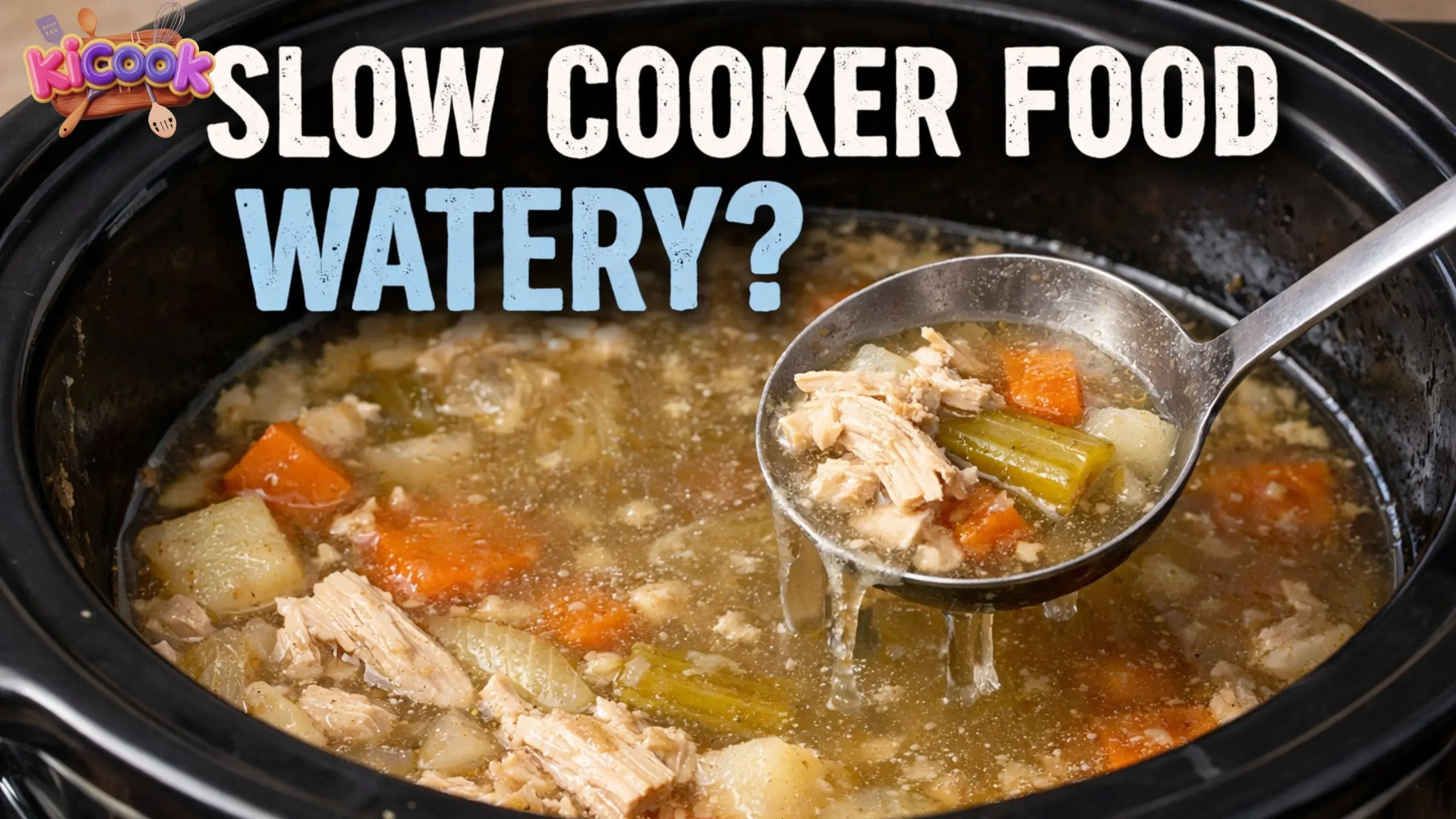
Are your slow cooker meals turning out way too watery? You’re not alone.
Many home cooks face this frustrating problem and wonder why their tasty recipes end up more like soup than a hearty dish. If you’ve ever asked Reddit about “slow cooker food watery,” you’ve probably seen plenty of tips and confusion around why this happens and how to fix it.
The good news is, with a few simple tricks and adjustments, you can say goodbye to watery meals and hello to rich, flavorful dishes every time. Keep reading to discover the top reasons for watery slow cooker food and easy ways to get that perfect texture you crave. Your slow cooker deserves to shine and so do your meals!

Credit: www.reddit.com
Common Causes Of Watery Slow Cooker Meals
Watery meals from a slow cooker can be disappointing. Many cooks on Reddit share this common issue. Understanding why this happens helps improve your dishes. Several factors cause too much liquid in slow cooker meals.
Slow cookers use low heat for a long time. This cooking style keeps moisture inside the pot. Without much evaporation, liquids stay in the food. The result is often soup-like or watery dishes.
Excess Liquid Added
Adding too much water or broth is a frequent mistake. Slow cooker recipes need less liquid than stove-top methods. The sealed pot traps steam, so liquids do not reduce much. Pouring extra liquid makes meals runny and bland.
Low Evaporation During Cooking
Slow cookers do not let liquid evaporate like open pans. The sealed lid keeps moisture inside the pot. This helps food cook evenly but stops liquids from thickening. Without evaporation, juices and added liquids stay watery.
Water-injected Meat
Many cheap meats have added water to increase weight. Cooking these meats releases the extra water into the dish. This hidden liquid makes the meal watery and less flavorful. Choosing fresh, quality meat reduces this problem.
Using A Cracked Or Tight Lid
A cracked lid lets moisture escape, drying the food. A lid that fits too tightly traps all steam inside. Both can cause problems. A tight lid prevents evaporation, adding to watery results. Check your lid for cracks or a proper fit.
Adjusting Liquid Levels
Adjusting liquid levels in a slow cooker is key to avoid watery meals. Slow cookers trap steam, so liquids do not evaporate much. This can leave dishes with extra water and weak flavors. Managing the amount and type of liquid improves the dish’s texture and taste. Simple changes in how you add liquids can make a big difference.
Cutting Back On Added Liquids
Many slow cooker recipes ask for a lot of liquid. This is to prevent food from burning. But often, you can reduce the liquid by one-third or half. The food itself releases moisture during cooking. Cutting back prevents the dish from becoming too watery. Start with less and check the consistency halfway through cooking.
Using Broth, Wine, Or Vinegar Instead Of Water
Water adds moisture but no flavor. Replace water with broth for richer taste. Chicken, beef, or vegetable broth works well. Small amounts of wine or vinegar add depth and balance flavors. These liquids help keep the dish moist without watering down the taste. Use them carefully to avoid overpowering the food.
Balancing Liquid For Different Ingredients
Different ingredients release different amounts of liquid. Vegetables like tomatoes and mushrooms release more water. Meat can also add moisture, especially cheaper cuts. Adjust your liquid based on what you use. For juicy vegetables or wet meats, reduce added liquids more. For dry ingredients, add a bit more liquid to prevent burning.
Techniques To Thicken Soupy Dishes
Many slow cooker meals turn out too watery. This happens because slow cookers trap steam. The liquid does not evaporate like on the stove. To fix this, use simple techniques to thicken your dishes. These methods improve texture and flavor. They help turn soupy meals into hearty, tasty ones.
Removing The Lid To Evaporate Moisture
Take off the slow cooker lid near the end of cooking. This lets steam escape. Moisture evaporates, reducing liquid in the pot. Leave the lid off for 15 to 30 minutes. Stir occasionally to prevent burning. This method thickens sauces naturally without extra ingredients.
Using Cornstarch Or Flour Slurries
Mix cornstarch or flour with cold water first. This creates a smooth slurry. Slowly add the slurry to your slow cooker dish. Stir well to avoid lumps. Heat the dish for a few more minutes. The sauce will thicken as it cooks. This works well for stews and gravies.
Ladling Out Excess Liquid
Use a ladle to remove extra liquid from the slow cooker. Take out only as much as needed. This prevents the dish from becoming too watery. Save the liquid for soups or sauces later. Removing excess liquid is quick and easy. It helps balance the meal’s consistency perfectly.
Credit: www.reddit.com
Lid Management Tips
Managing the slow cooker lid properly helps control moisture and stops food from getting too watery. The lid keeps steam inside, so how you handle it affects your dish’s texture and taste. Simple lid tricks can reduce extra liquid and improve slow cooker meals.
Flipping The Lid Sideways To Release Steam
Turn the lid sideways on the slow cooker to let steam escape. This small gap allows moisture to evaporate slowly. It helps thicken soups and stews without cooling the food too much. Keep the lid this way for about an hour for best results.
Checking For Lid Damage
Look closely at the lid before cooking. Cracks or chips let steam escape too fast, making food watery. A damaged lid stops the cooker from holding heat well. Replace broken lids to keep your recipes perfect and avoid watery meals.
When To Remove The Lid During Cooking
Only lift the lid when the recipe says to. Removing it too often drops the temperature and adds cooking time. Take the lid off briefly near the end if you want to reduce liquid. This lets extra moisture evaporate and thickens the dish.
Ingredient Selection And Preparation
Choosing and preparing ingredients properly helps prevent watery slow cooker meals. Water content in ingredients affects the final texture and flavor. Knowing what to pick and how to prep makes a big difference. This section highlights key tips to improve your slow cooker dishes.
Avoiding Water-injected Meats
Water-injected meats release excess liquid during cooking. This extra water makes meals watery and bland. Look for fresh meat without added water or brine. Check labels for terms like “enhanced” or “injected.” Buying from a trusted butcher ensures better quality. Avoid cheap cuts that often contain water to increase weight.
Pre-cooking Or Browning Ingredients
Browning meat or sautéing vegetables before slow cooking improves flavor. This step also reduces moisture, preventing watery results. High heat evaporates some liquid from the ingredients. It adds a rich, caramelized taste to your dish. Pre-cooking seals in juices, so less water escapes during slow cooking.
Choosing The Right Cuts For Slow Cooking
Some meat cuts hold up better in slow cookers. Tougher cuts like chuck, brisket, or pork shoulder work well. They release less water and become tender over long cooking. Lean cuts tend to dry out or release more liquid. Choose cuts with good marbling for flavor and texture. This keeps your dish thick and delicious.
Recipe Adjustments For Better Results
Slow cookers often produce meals with too much liquid. This can make dishes watery and less tasty. Adjusting recipes helps fix this issue. Simple changes improve texture and flavor. These tips help you get better slow cooker results every time.
Reducing Liquid In Recipes
Slow cookers trap moisture, so less liquid is needed. Cut down the amount of broth, water, or sauces you add. Use about half the liquid a stovetop recipe calls for. Watch recipes that include watery vegetables, like tomatoes or zucchini. These release extra liquid during cooking. Reduce added liquids to balance this out.
Adding Thickeners At The End
Thickeners improve sauce consistency without overcooking food. Mix cornstarch or flour with cold water before adding. Stir this slurry into the slow cooker near the end of cooking. Let it cook for 15 to 30 minutes to thicken. Mashed potatoes or pureed beans also help thicken stews naturally. Avoid adding thickeners too early to prevent lumps.
Modifying Cooking Times
Long cooking times cause more liquid to build up. Shorten cooking duration to reduce wateriness. Check dishes early and often. Remove the lid for the last 30 minutes to let steam escape. This helps evaporate excess moisture. Adjust times based on the type of food and slow cooker model.
Troubleshooting Flavorless Slow Cooker Meals
Slow cooker meals often turn out bland and watery. This is a common issue discussed on Reddit and other cooking forums. The slow cooking process traps moisture, preventing liquids from reducing. This leads to diluted flavors and soggy textures. Solving this problem requires smart cooking techniques that boost taste without losing moisture. Here are some practical tips to improve your slow cooker dishes.
Concentrating Flavors By Reducing Liquids
Slow cookers keep moisture sealed inside. Liquids do not evaporate much during cooking. This leaves your dish watery and weak in flavor. Use less liquid than recipes suggest. You can remove some broth or sauce after cooking. Then simmer it on the stove to reduce and thicken. This concentrates the flavors and improves texture. Another trick is to leave the slow cooker lid slightly open near the end. This allows some steam to escape and liquids to reduce.
Using Seasonings And Aromatics
Flavorless meals need a flavor boost. Add herbs like thyme, rosemary, or bay leaves early. They infuse the dish slowly. Garlic, onions, and ginger add depth and aroma. Use fresh or powdered forms depending on what you have. Salt enhances all other flavors, so season gradually and taste before serving. Spices such as cumin, paprika, or chili powder bring warmth and complexity. These ingredients make your slow cooker meal more exciting and tasty.
Incorporating Umami-boosting Ingredients
Umami is the savory taste that makes food satisfying. Ingredients rich in umami improve slow cooker meals greatly. Use soy sauce, Worcestershire sauce, or tomato paste. Mushrooms, especially dried or sautéed, add a deep flavor. Parmesan rind or a splash of fish sauce also helps. These ingredients increase the richness and roundness of your dishes. They counteract blandness and watery textures effectively.
Credit: www.reddit.com
Frequently Asked Questions
Why Is My Slow Cooker Food Always Watery?
Slow cookers retain moisture, so food often has extra liquid. Reduce added liquids and cook uncovered near the end to thicken dishes.
How Can I Prevent Watery Slow Cooker Meals?
Use less broth or water initially. Remove the lid during the last 30 minutes to allow evaporation and thicker consistency.
Does Lid Placement Affect Slow Cooker Liquid Levels?
Yes. A cracked or loose lid lets moisture escape, reducing wateriness. Ensure the lid fits tightly or slightly tilt it to control evaporation.
How To Fix Watery Slow Cooker Stew?
Remove excess liquid by ladling it out. Alternatively, stir in a cornstarch slurry to thicken the stew quickly.
Conclusion
Watery slow cooker food can frustrate many cooks. Use less liquid than recipes suggest. Leaving the lid slightly open helps steam escape. Thickening agents like cornstarch work well to fix thin sauces. Choose quality meat without added water for better results.
Stirring occasionally can improve texture and flavor. Small changes make your meals less watery and more tasty. Keep experimenting with these tips for better slow cooker dishes. Enjoy hearty, flavorful meals every time you cook.

“I believe great cooking starts with the right tools, trusted advice, and a little confidence in the kitchen.”
Hi, I’m Emma Carter. My love for cooking began in my grandmother’s kitchen, where I learned that every great meal starts with simple ingredients and the right cookware. Over the years, I’ve spent countless hours researching, testing, and comparing kitchen appliances, cookware, coffee makers, air fryers, and other everyday kitchen essentials.
Here at KiCook, my goal is to make your buying decisions easier with honest product reviews, practical buying guides, and easy-to-follow cooking tips. Whether you’re upgrading your kitchen or searching for the best appliance for your home, I focus on providing clear, reliable, and research-backed information you can trust.
When I’m not testing new kitchen gadgets or writing in-depth guides, you’ll usually find me trying new recipes, visiting local farmers’ markets, or enjoying a quiet cup of coffee while planning my next kitchen project.