
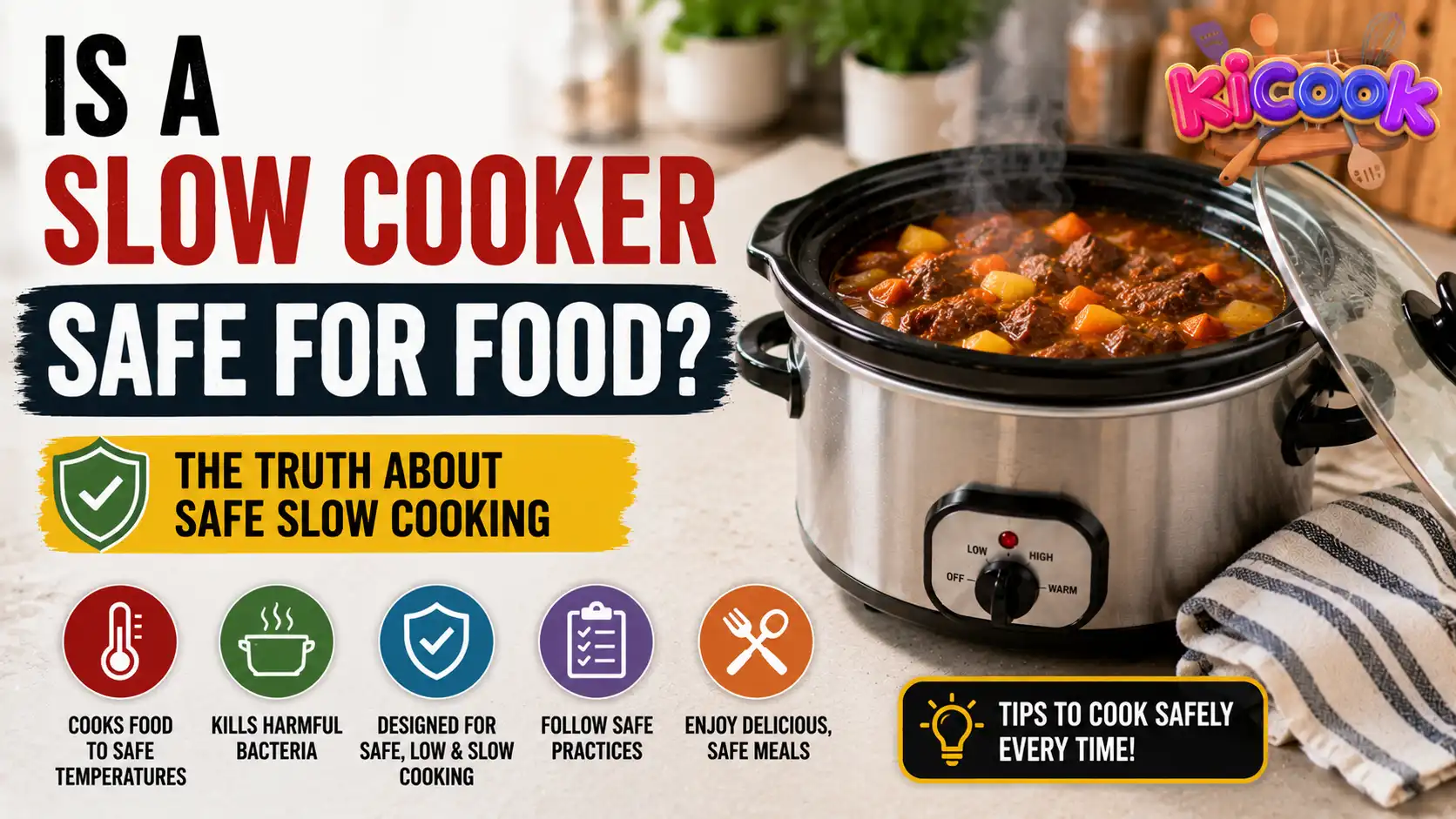
What foods should not go in a slow cooker? Delicate seafood, lean meats, dairy-based sauces, crispy vegetables, and rice are the main foods to avoid. They either overcook into mush, turn tough and dry, or separate into a curdled mess.
I’ve Been Exactly Where You Are
You bought that slow cooker thinking it would change your life. And for a while, it did. Pulled pork, hearty stews, maybe a chili that fed the whole family. But then came that night.
The night you tossed in some beautiful salmon fillets because you were short on time. Hours later, you opened the lid to find grey, mushy fish that smelled like disappointment. Or maybe you tried a creamy chicken soup, only to come home to curdled, grainy liquid that looked nothing like dinner.
I’ve been a digital marketing specialist and home cook for over a decade. But more importantly, I’ve ruined plenty of slow cooker meals myself. Through trial, error, and learning from real experts, I’ve figured out exactly what works and what doesn’t.
By the end of this article, you’ll know exactly what foods should not go in a slow cooker — and why. No more wasted ingredients. No more sad dinners. Just better cooking, starting tonight.
Pain Points: The 3 Most Frustrating Slow Cooker Mistakes
1. “My seafood turned into rubbery mush”
You spent good money on fresh shrimp or cod. You followed a recipe. But after four hours on low, your seafood became chewy, dry, and practically inedible.
Why this happens: Seafood cooks incredibly fast — usually in under 15 minutes. Slow cookers, even on low, hold heat for hours. That gentle heat is actually way too aggressive for delicate fish and shellfish. The proteins tighten up, squeeze out moisture, and leave you with something closer to eraser than dinner.
The fix: Save seafood for the last 20–30 minutes of cooking. Or better yet, cook your main dish in the slow cooker and pan-sear your seafood separately. In the US, UK, Canada, and Australia, you can find affordable frozen shrimp that thaws quickly — add it right at the end.
2. “My creamy soup looked like cottage cheese”
You wanted a comforting chowder or a creamy tomato bisque. You added milk, cream, or cheese at the start. By dinner time, it had separated into a watery mess with weird floating curds.
Why this happens: Dairy doesn’t like prolonged heat. The fat and water in milk, cream, and soft cheeses break apart when held at high temperatures for hours. Acidic ingredients like tomatoes make this separation happen even faster.
The fix: Stir in dairy during the last 15–30 minutes only. Turn the slow cooker to warm or even off, then add your cream, milk, or cheese. Let the residual heat do the work. A reader from Toronto told me she ruined three batches of potato soup before learning this trick — now she makes perfect creamy soups every time.
3. “My chicken came out dry and stringy”
You used boneless, skinless chicken breasts thinking they were the healthy choice. But after six hours, they were so dry you needed a glass of water with every bite.
Why this happens: Lean meats have very little fat or connective tissue. Fat and collagen keep meat moist during long cooking. Without them, the muscle fibers squeeze tight and release all their natural juices. Chicken breasts, pork tenderloin, and lean beef cuts just can’t handle all-day cooking.
The fix: Use dark meat instead. Chicken thighs, beef chuck, pork shoulder — these have enough fat to stay tender. If you must use lean cuts, keep cook time under 3 hours on low. A home cook in Sydney shared that she now only uses thighs in her slow cooker and grills breasts separately. Problem solved
What Foods Should Not Go in a Slow Cooker? (Complete List)
7 Foods You Should Never Put in a Slow Cooker
Let me walk you through the full list. Some might surprise you.
1. Delicate Seafood (Shrimp, Scallops, White Fish)
I already mentioned this above, but it’s worth repeating. Shrimp, scallops, cod, haddock, and similar seafood cook in minutes. A slow cooker turns them into tiny, tough nuggets of regret.
Real-world example: My neighbor in Chicago once made a “slow cooker seafood stew” for a dinner party. She used frozen mixed seafood and let it cook for six hours. Her guests politely ate around the shrimp. Now she adds seafood in the final 20 minutes and serves directly from the pot — huge difference.
2. Lean Cuts of Meat (Chicken Breast, Pork Tenderloin, Venison)
I touched on this in our pain points section. Lean meats lack the fat and connective tissue needed for low-and-slow cooking. They dry out and become tough.
What to use instead: Chicken thighs, drumsticks, pork shoulder, beef brisket, lamb shanks. These cuts actually improve with time. A butcher in Manchester told me he always recommends cheaper, fattier cuts to slow cooker customers — they save money and get better results.
3. Pasta and Noodles
Pasta needs boiling water to cook properly. In a slow cooker, it absorbs liquid, swells up, and turns into a bloated, gluey mess. Even “no-boil” noodles struggle.
The better approach: Cook your pasta separately on the stovetop. Store it in the fridge and add it to individual bowls before ladling in your slow-cooked sauce. This way, leftovers stay firm and delicious. For those in Australia and the UK, this works brilliantly with both dried and fresh pasta.
4. Rice (Unless You’re Very Careful)
Rice is tricky. Brown rice can sometimes work because it takes longer to cook. But white rice almost always turns into porridge. The slow cooker traps steam and moisture, turning individual grains into a sticky clump.
If you really want rice: Use parboiled (converted) rice and reduce the liquid by half. Cook on low for 2–3 hours maximum, not all day. Or do what most smart cooks do — make rice in a rice cooker or on the stove while your slow cooker handles the main dish.
5. Dairy-Based Liquids (Milk, Cream, Yogurt, Soft Cheese)
I covered this in pain points too, but let me give you the full science. Dairy separates when held above 180°F (82°C) for extended periods. Your slow cooker, even on low, sits right around 190–200°F (88–93°C). Add acidic ingredients like tomatoes or wine, and separation happens even faster.
The safe method: Make your soup or curry base without dairy. Cook everything else for the full time. Then, in the last 20 minutes, stir in cream, sour cream, yogurt, or grated cheese. Turn the heat off completely if you’re worried. The residual warmth will melt and incorporate everything smoothly.
A home cook from Vancouver wrote to me about her “magic trick” — she uses canned coconut milk instead of cream when she wants to cook all day. Coconut milk handles long heat much better and gives a similar richness.
6. Crispy Vegetables (Bell Peppers, Zucchini, Broccoli)
These vegetables have high water content and thin skins. After hours in a slow cooker, they become limp, brown, and flavorless. Broccoli turns into a sulfur-smelling mess. Peppers lose all their crunch.
What to do instead: Add these vegetables during the last 30–60 minutes of cooking. This keeps some texture and color. For bell peppers, you can even toss them in raw right before serving — the residual heat will warm them without killing the crunch.
7. Raw Kidney Beans (This One Is Dangerous)
Most people don’t know this. Raw or undercooked kidney beans contain a toxin called phytohaemagglutinin. Slow cookers often don’t get hot enough to destroy this toxin. The result can be severe food poisoning — nausea, vomiting, diarrhea.
The safe approach: Always boil kidney beans for at least 10 minutes before adding them to your slow cooker. Canned kidney beans are perfectly safe because they’re already cooked. I only use canned beans in my slow cooker, and I recommend you do the same.
“Many slow cookers don’t reach temperatures high enough to destroy the lectins found in raw kidney beans. You must boil them for a full 10 minutes before slow cooking.” — Dr. Ruth MacDonald, Professor Emeritus of Food Science and Human Nutrition, Iowa State University
What About Wine, Beer, and Alcohol?
Alcohol is fine in a slow cooker. Unlike dairy, alcohol doesn’t separate or ruin texture. However, don’t expect it to burn off completely. Studies show that even after hours of simmering, a significant amount of alcohol remains — sometimes up to 40–50% after 2 hours.
What this means for you: If you’re cooking for someone avoiding alcohol entirely (for health, recovery, or religious reasons), skip the wine or beer. Use broth, juice, or non-alcoholic substitutes instead. In the UK and Australia, you can find excellent alcohol-free cooking wines in most supermarkets.
How to Tell If a Food Belongs in Your Slow Cooker
Here’s a simple rule I teach all my cooking workshop students:
Ask yourself three questions:
- Does this food benefit from long, gentle heat?
- Will it release liquid or absorb liquid?
- Could I cook it faster another way?
If the answer to #1 is “no” — like with seafood or crispy veggies — keep it out. If the food absorbs too much liquid and turns mushy (pasta, rice, breaded items), cook it separately. And if you can cook it in 15 minutes on the stove, why tie up your slow cooker for six hours?
I learned this the hard way with a “slow cooker lasagna” recipe that turned into soup. Now I trust my instincts. You should too.
4 Slow Cooker Swaps That Actually Work
Instead of feeling limited, let me give you alternatives that deliver amazing results.
Instead of lean chicken breast → use boneless chicken thighs
Thighs stay juicy for 6–8 hours. They’re often cheaper too. A butcher in Melbourne told me thighs outsell breasts 3-to-1 for slow cooker customers.
Instead of milk or cream → use evaporated milk or coconut milk
Evaporated milk is heat-stable and won’t curdle. Coconut milk adds richness without separating. Both are available anywhere in the US, UK, Canada, and Australia.
Instead of pasta → add cooked pasta at the end
Make your sauce in the slow cooker. Boil pasta separately. Combine in the bowl. Your leftovers won’t turn into a solid block of starch.
Instead of raw kidney beans → use canned beans
Drain, rinse, and add anytime. Safe, easy, and no boiling required.
“Home cooks often overcomplicate slow cookers. The device was designed for tough cuts of meat and hardy vegetables. Stick to what it does best, and you’ll never be disappointed.” — Michael Ruhlman, Author of “Ruhlman’s Twenty” and slow cooking advocate
A Real-World Success Story
Last year, a reader from Birmingham, England emailed me frustrated. She said every one of her slow cooker meals turned out either dry or mushy. I asked what she was cooking.
She was using chicken breasts, adding pasta at the start, and finishing with cream. Three mistakes in one pot.
I gave her three simple swaps: chicken thighs instead of breasts, add cooked pasta at the end, and stir in cream only before serving. Two weeks later, she sent photos of a rich, creamy chicken pasta that looked restaurant-quality. She wrote: “I finally understand what foods should not go in a slow cooker — and what actually works.”
That’s why I write these articles. Real people, real kitchens, real solutions.
What Can You Put in a Slow Cooker? (Quick Reference)
Since we’ve spent a lot of time on what not to use, let me give you the green light list:
- Tough meats: Beef chuck, pork shoulder, lamb shanks, chicken thighs
- Root vegetables: Carrots, potatoes, sweet potatoes, parsnips, turnips
- Legumes: Canned beans, lentils (brown and green), dried peas
- Aromatics: Onions, garlic, ginger, leeks
- Broths and stocks: Chicken, beef, vegetable, bone broth
- Tomato-based sauces: Canned tomatoes, tomato paste, jarred pasta sauce
- Hearty grains (carefully): Farro, barley, brown rice (with extra liquid)
For more guidance on building balanced slow cooker meals, check out [INTERNAL LINK: best slow cooker recipes for busy weeknights].
“The beauty of slow cooking is that it transforms inexpensive ingredients into something special. But you have to respect the method. Lean proteins and delicate vegetables will never work — they’re not what the technology was built for.” — Julia Turshen, Cookbook Author and Food Writer
A Note on Food Safety Across Four Countries
Food safety rules are consistent in the US, UK, Canada, and Australia, but I want to highlight one difference.
In the United States, the USDA recommends that slow cookers reach 165°F (74°C) within 2 hours for meat safety. Most modern slow cookers easily hit this. In the UK and Australia, the Food Standards Agency suggests similar guidelines — cook meat to 75°C (167°F) internally.
What this means for you: Always thaw frozen ingredients before adding them to your slow cooker. Frozen meat or vegetables drop the temperature too much, keeping food in the “danger zone” (between 40–140°F or 4–60°C) where bacteria multiply. This is true whether you’re in Sydney, London, Toronto, or Texas.
For official guidance, the FoodSafety.gov slow cooker safety page offers clear, research-backed recommendations.
Frequently Asked Questions
Can I put frozen chicken in a slow cooker?
Technically yes, but it’s not recommended. Frozen chicken takes too long to reach safe internal temperatures, increasing bacteria risk. Thaw chicken in the fridge overnight first. If you’re in a rush, use boneless thighs — they thaw faster and stay juicier.
Why did my potatoes turn black in the slow cooker?
This happens with certain potato varieties (like Russets) when exposed to air or acidic ingredients. It’s harmless but unappetizing. To prevent it, soak cut potatoes in cold water for 10 minutes before adding them, or use waxy potatoes like Yukon Gold or red potatoes.
Can I put raw meat directly into the slow cooker?
Yes, you can. But browning it first in a pan adds flavor through the Maillard reaction — that’s the tasty browned crust. If you’re short on time, raw is fine. If you have 10 extra minutes, sear it. Your taste buds will thank you.
Is it safe to leave a slow cooker on while at work?
Absolutely. That’s what slow cookers are designed for. Modern slow cookers from brands like Crock-Pot, Hamilton Beach, and Ninja have been tested for all-day use. Just make sure your cooker is on a heat-safe surface, away from walls, and not buried under towels or papers.
What happens if I open the lid during cooking?
You lose heat — about 15–20 minutes of cooking time every time you lift the lid. The slow cooker then has to work to bring the temperature back up. Resist the urge. Only open it in the last 30 minutes to check doneness or add quick-cooking ingredients.
Conclusion: You’ve Got This
Let me leave you with three simple takeaways:
- Avoid delicate, fast-cooking foods. Seafood, lean meats, and dairy don’t belong in an all-day cooker. Save them for last-minute additions or separate cooking methods.
- Choose the right cuts and ingredients. Chicken thighs over breasts. Canned beans over raw. Root vegetables over crisp ones. These swaps turn frustration into success.
- Safety first, always. Especially with kidney beans and frozen ingredients. When in doubt, check official food safety guidelines for your country.
You don’t need to be a professional chef to master your slow cooker. You just need to know what foods should not go in a slow cooker — and what should. Now you have that list.
So go ahead. Plan that weeknight meal. Toss in some chicken thighs, carrots, and broth. Let it work its magic while you work yours. And when dinner time comes, you’ll open that lid to something delicious.
For more practical kitchen advice, visit [INTERNAL LINK: essential slow cooker tips for beginners].
Happy slow cooking — the smart way.

“I believe great cooking starts with the right tools, trusted advice, and a little confidence in the kitchen.”
Hi, I’m Emma Carter. My love for cooking began in my grandmother’s kitchen, where I learned that every great meal starts with simple ingredients and the right cookware. Over the years, I’ve spent countless hours researching, testing, and comparing kitchen appliances, cookware, coffee makers, air fryers, and other everyday kitchen essentials.
Here at KiCook, my goal is to make your buying decisions easier with honest product reviews, practical buying guides, and easy-to-follow cooking tips. Whether you’re upgrading your kitchen or searching for the best appliance for your home, I focus on providing clear, reliable, and research-backed information you can trust.
When I’m not testing new kitchen gadgets or writing in-depth guides, you’ll usually find me trying new recipes, visiting local farmers’ markets, or enjoying a quiet cup of coffee while planning my next kitchen project.