If your slow cooker takes too long to heat up, the issue is often weak power delivery, a misaligned pot, thermostat problems, or a worn-out heating element. While slow cookers are meant to heat gradually, taking way longer than normal is not typical and usually fixable.
In this article, I’ll walk you through the most common causes, quick tests you can do at home, safety tips, and when it’s time to replace your unit.
What Is Normal Heating Time for a Slow Cooker?
Understanding the baseline helps:
| Setting | Typical Time to Reach Temperature |
|---|---|
| Low | ~2–4 hours to reach ~190–200°F |
| High | ~1–2 hours to reach ~275–300°F |
If your slow cooker takes much longer than these ranges, something may be wrong.
Why Your Slow Cooker Takes Hours to Heat Up
1. Power Supply Problems
If the outlet isn’t delivering enough power, your cooker can’t heat efficiently.
- Test the outlet with another device
- Avoid extension cords they can cause voltage drop
- Reset tripped breakers or GFCI outlets
Power supply issues can mimic appliance failure even when the slow cooker is fine internally.
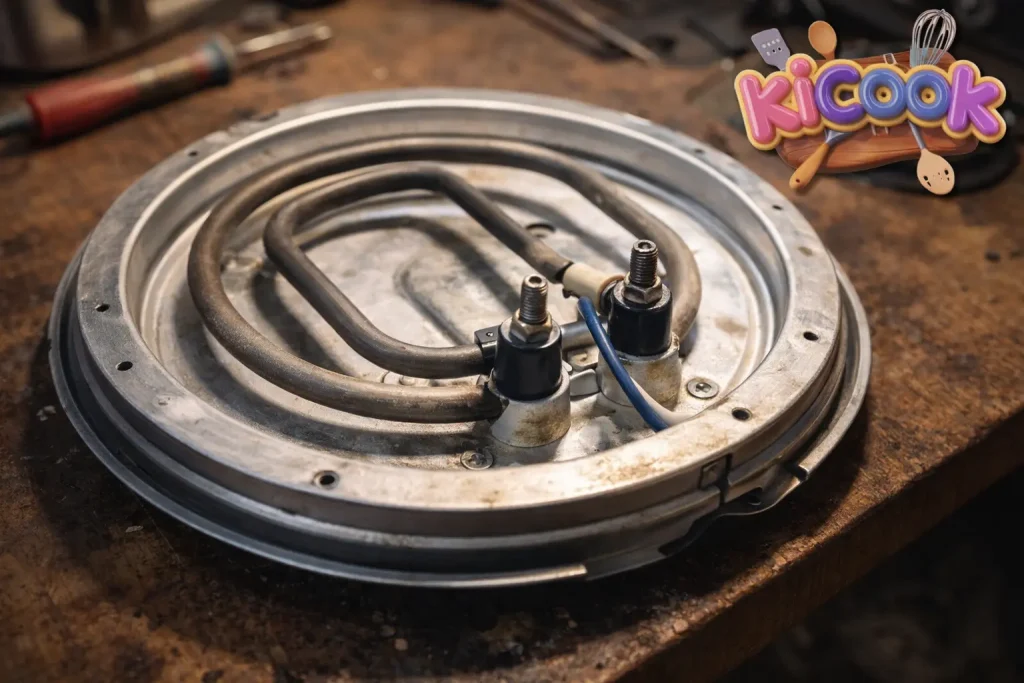
2. Heating Element Wearing Out
The heating element underneath the base is the heart of your slow cooker.
Signs it’s failing:
- Slow “warm-up” on all settings
- High and low settings feel similar
- Food cooks unevenly
With age and use, heating elements can degrade.
3. Thermostat or Sensor Issues
Your slow cooker relies on a thermostat to tell it when to heat and when to pause.
If the thermostat misreads temperature:
- Cooker heats intermittently
- Takes too long to climb to target
- Doesn’t reach proper temps
This is similar to other problems like high setting not hot enough or low setting too hot thermostat calibration can skew heat cycles.
4. Poor Contact Between Pot & Base
If the ceramic pot doesn’t sit flush in the base:
- Heat transfer weakens
- Cooker struggles to warm evenly
- Takes longer to reach temperature
Always clean and level the pot before use.
Quick Tests You Can Do at Home
Temperature Test
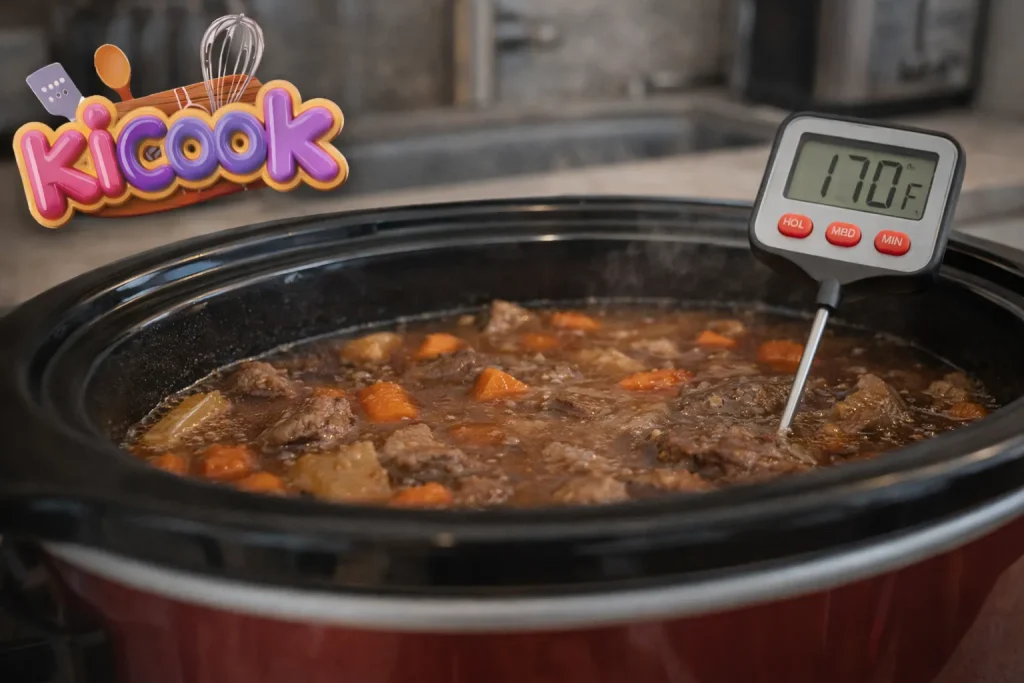
- Fill the cooker halfway with water
- Set to High
- Wait 3–4 hours
- Measure with a food thermometer
Pros:
- Confirms real heating
- Gives measurable data
- Helps isolate the problem
If it’s too low, your unit likely needs repair or replacement.
Easy Fixes to Try First
1. Check the Power
Make sure your slow cooker is plugged directly into a strong outlet.
2. Avoid Extension Cords
They reduce voltage and slow heating.
3. Level & Clean Pot
Wipe the bottom and ensure the pot sits flush in the base.
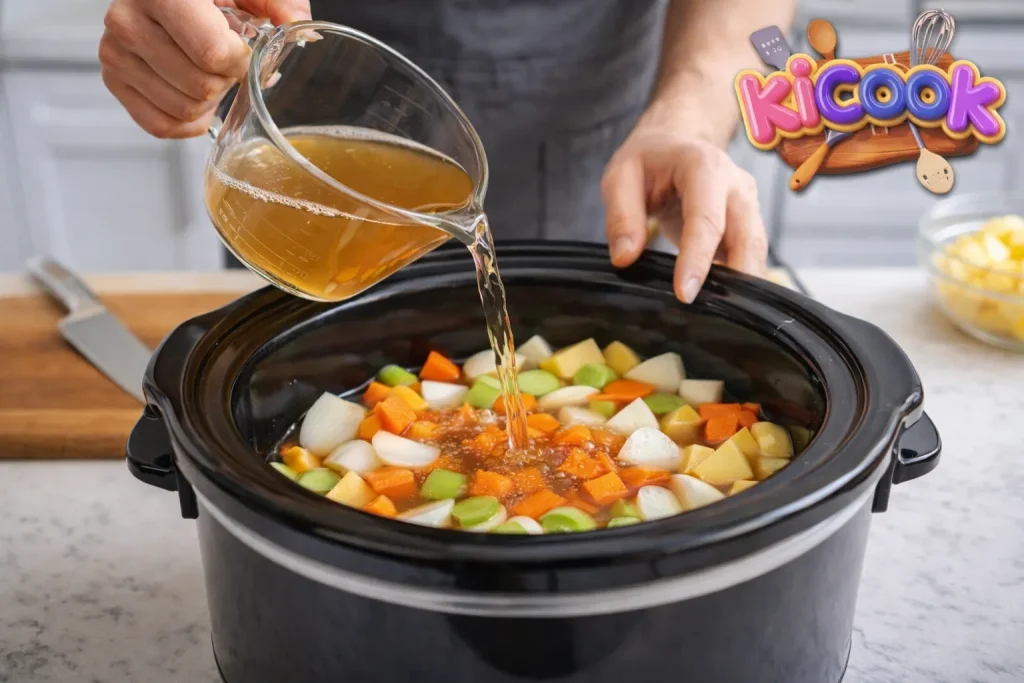
4. Start with Warm Liquid
Cold food takes longer to heat especially in winter.
When It Really Is a Defect
Sometimes slow cookers simply wear out or fail internally. Signs include:
- High and low settings perform similarly
- Takes incredibly long no matter what you try
- Cook times are unpredictable
- It used to heat normally before
If your cooker was working fine before and suddenly slowed down, or if it occasionally won’t heat at all, this guide will help troubleshoot deeper issues: slow-cooker-stopped-working
Expert Opinion
By Daniel Carter – Kitchen Appliance Specialist
From my experience repairing countertop appliances, slow cookers often slow down due to simple issues like power delivery or heating-element fatigue, not because the technology is flawed.
Before replacing your unit, run the basic checks and temperature tests most problems reveal themselves with a little investigation.
Pros & Cons of Slow Cooker Slow Heat
| Pros | Cons |
|---|---|
| Gentle cooking preserves nutrients | Takes longer than other methods |
| Great for tough cuts of meat | Can be affected by power issues |
| Energy-efficient compared to ovens | Doesn’t heat quickly on demand |
FAQs
Why does my slow cooker take so long to boil?
Slow cookers are designed to heat gradually. If boiling takes far longer than normal ranges, it’s likely a power or heating element issue.
Is it unsafe if my slow cooker heats slowly?
As long as the final internal temperature of the food reaches safe levels, it’s safe but very slow heat can disrupt cooking times and textures.
Should I replace a slow cooker that heats slowly?
Yes, if you’ve tested power, alignment, and internal checks and it still underperforms.
Conclusion
A slow cooker that takes hours to heat up is often signaling something more than just slow cooking especially if it never reaches the expected temperatures on high or low. Start with power and pot alignment checks, then use a thermometer test. If none of these work, it’s time to consider repair or replacement.
With the right approach, you’ll know exactly why it’s slow and how to fix it.

“I believe great cooking starts with the right tools, trusted advice, and a little confidence in the kitchen.”
Hi, I’m Emma Carter. My love for cooking began in my grandmother’s kitchen, where I learned that every great meal starts with simple ingredients and the right cookware. Over the years, I’ve spent countless hours researching, testing, and comparing kitchen appliances, cookware, coffee makers, air fryers, and other everyday kitchen essentials.
Here at KiCook, my goal is to make your buying decisions easier with honest product reviews, practical buying guides, and easy-to-follow cooking tips. Whether you’re upgrading your kitchen or searching for the best appliance for your home, I focus on providing clear, reliable, and research-backed information you can trust.
When I’m not testing new kitchen gadgets or writing in-depth guides, you’ll usually find me trying new recipes, visiting local farmers’ markets, or enjoying a quiet cup of coffee while planning my next kitchen project.