
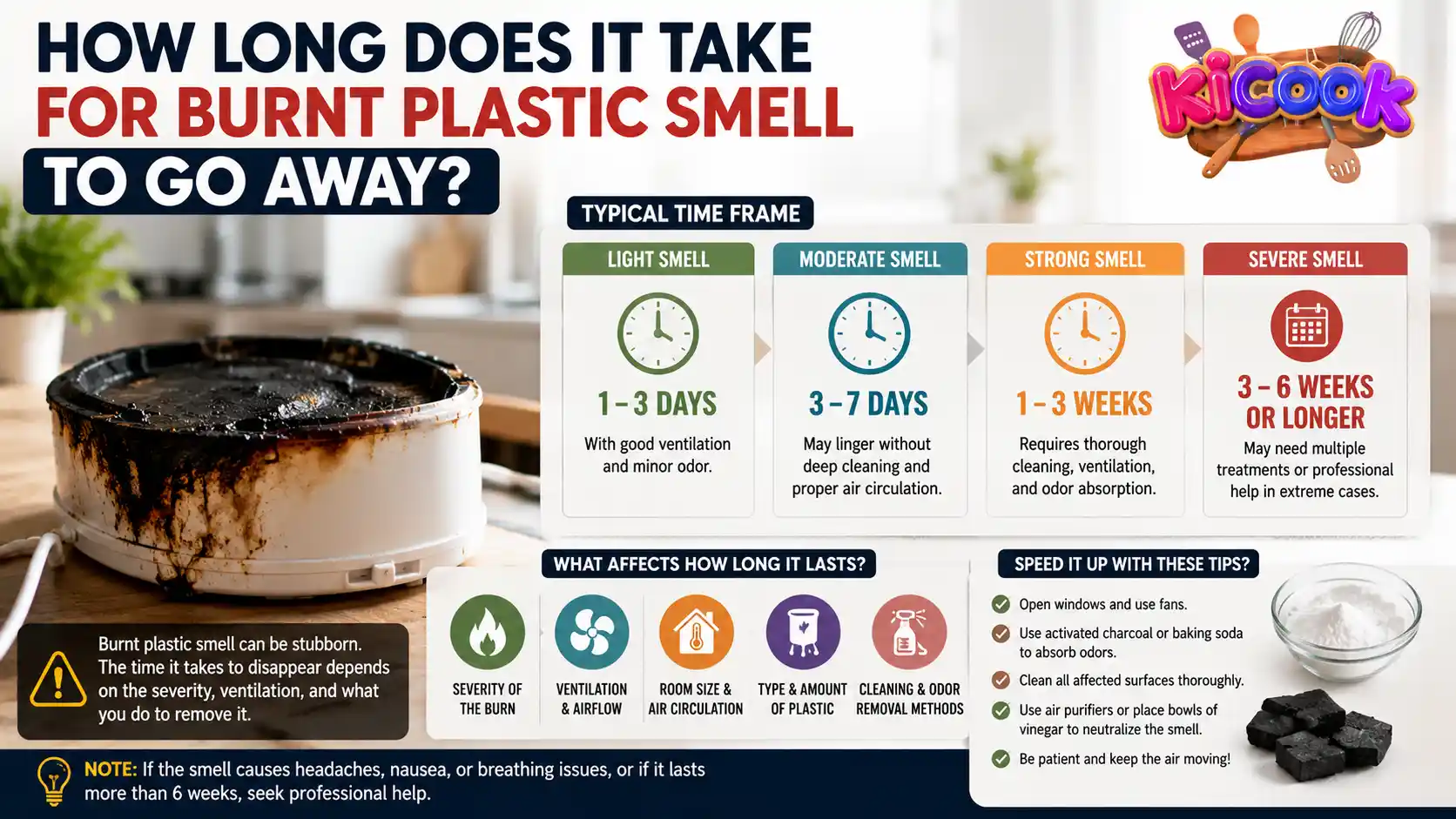
The acrid smell of burnt plastic is one of the most unpleasant odors you can encounter in your home. Whether it’s from an accidental kitchen mishap, an overheated appliance, or melted plastic near a heat source, this persistent smell can be overwhelming and concerning.
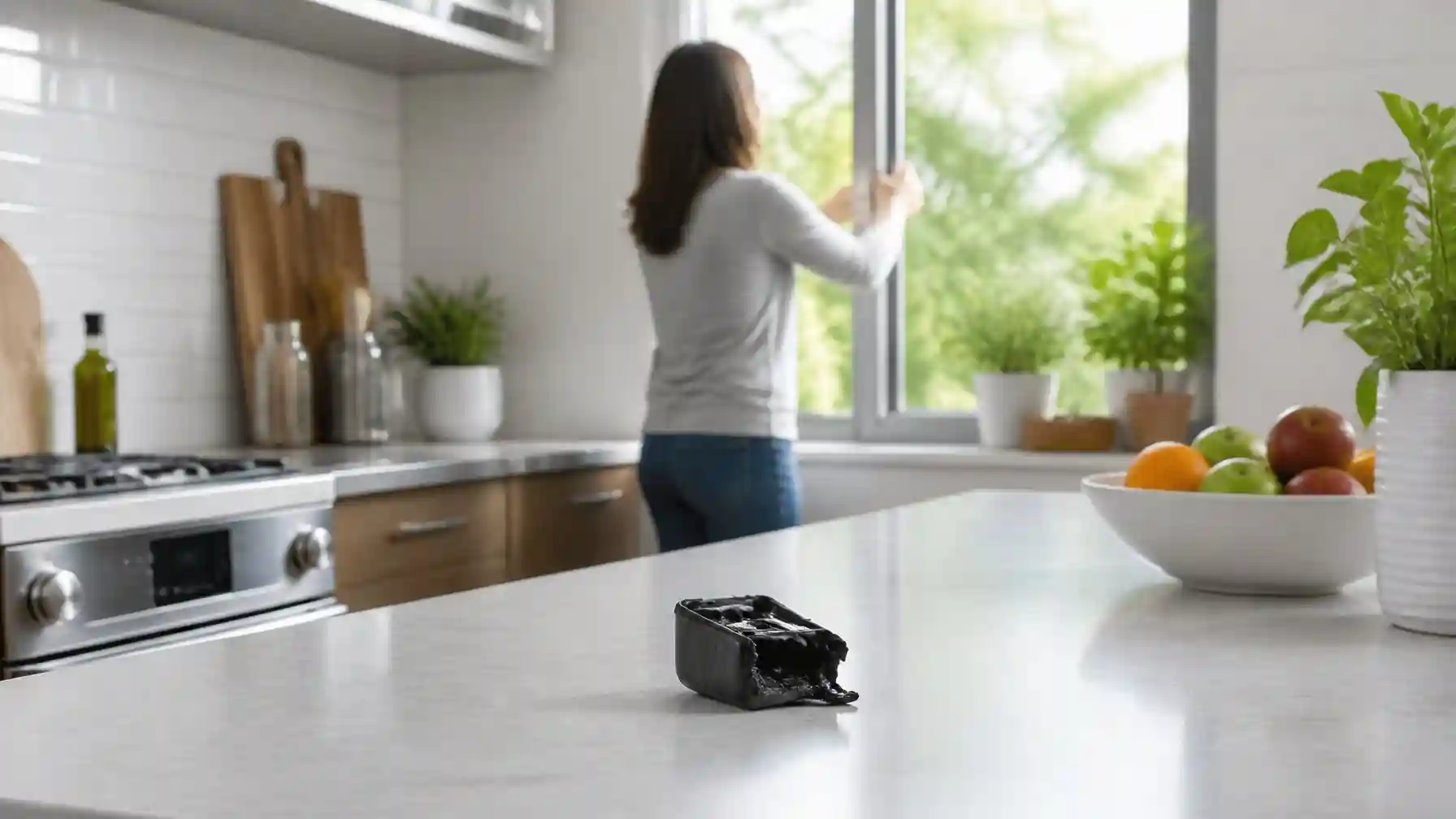
The duration of burnt plastic smell typically ranges from several hours to a few days, depending on ventilation, the severity of the burning, and the remediation methods you use. Multiple factors influence how long the odor lingers, including the type of plastic burned, the amount involved, and how quickly you take action to address it.
Understanding what affects the smell’s persistence and knowing effective removal techniques can help you clear the air faster. Below are the key factors that determine how long you’ll be dealing with this odor and the most effective strategies to eliminate it from your home.
Key Takeaways
- Burnt plastic smell typically dissipates within hours to several days depending on ventilation and cleaning efforts
- Immediate ventilation and removal of the source are critical first steps to minimize odor duration
- Professional help may be necessary if the smell persists beyond a few days or causes health symptoms
Factors Influencing Duration of Burnt Plastic Odors
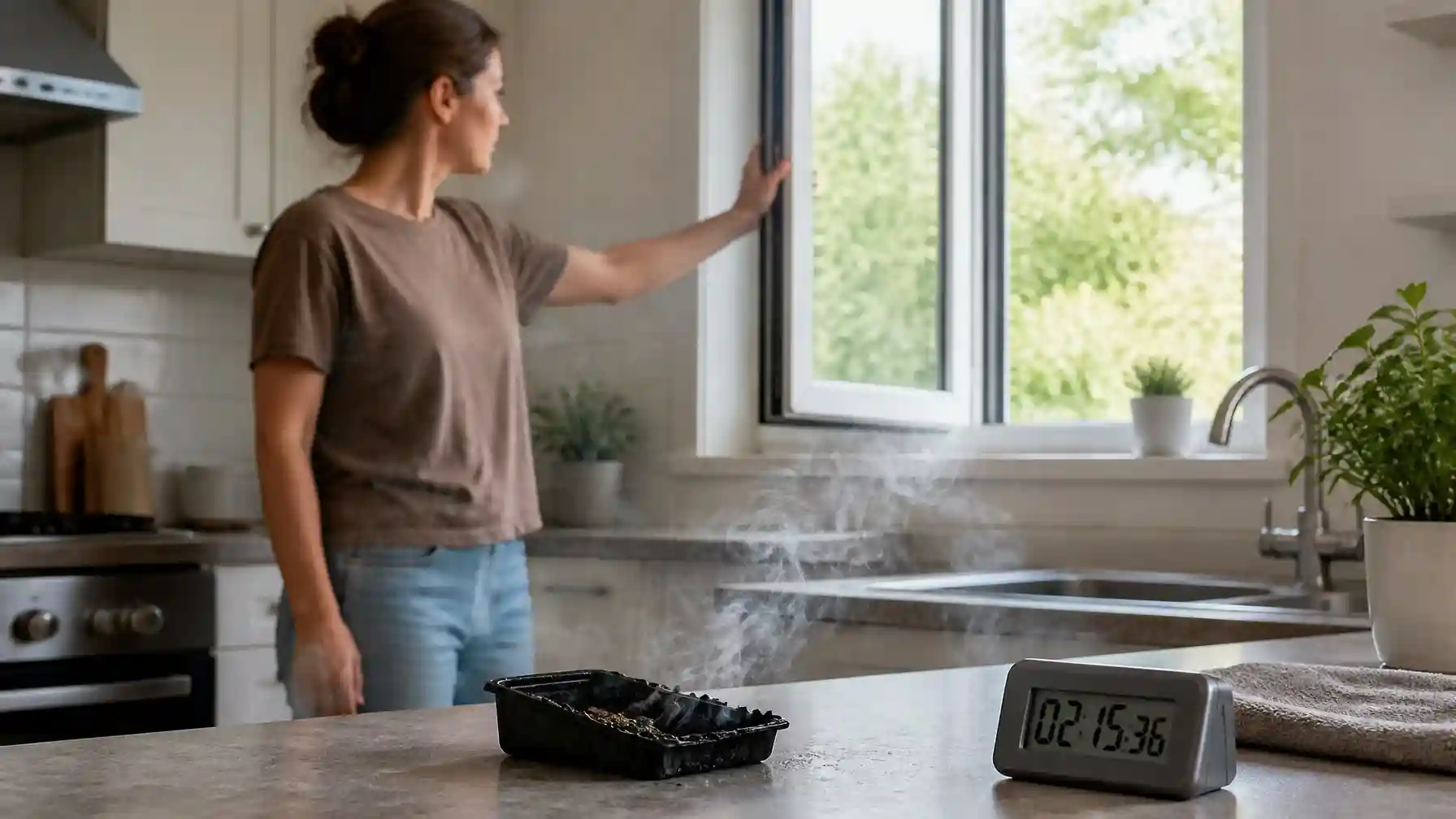
The time it takes for burnt plastic smell to dissipate depends on several interconnected variables. Understanding these factors helps predict how long the odor will persist and what steps are needed for removal.
Type and Amount of Plastic Burned
Different plastics release varying levels of odor intensity when burned. PVC and polystyrene produce particularly strong, lingering smells due to their chemical composition, while polyethylene typically generates milder odors.
The quantity of plastic burned directly impacts odor duration. A small amount from a melted spatula handle may clear within hours, while a larger incident like a melted plastic container can permeate surfaces for days or weeks.
Common plastic types and their odor characteristics:
- PVC (polyvinyl chloride): Releases chlorine-based compounds, creating sharp, chemical smells
- Polystyrene: Produces sweet, acrid odors that cling to fabrics
- Polyethylene: Generally milder but still noticeable
- ABS plastic: Creates strong, persistent rubber-like smells
The chemical compounds released during burning absorb into porous materials like upholstery, curtains, and carpets, extending the odor’s lifespan significantly.
Area Size and Ventilation
Room size determines how concentrated the odor becomes. A small kitchen or bathroom traps smells more intensely than an open-plan living area.
Ventilation quality is the most critical factor in odor removal speed. Proper air circulation affects how long burnt smells persist in any space.
Open windows, exhaust fans, and HVAC systems actively remove odor particles. Without ventilation, the smell recirculates and settles into surfaces.
Cross-ventilation with multiple open windows works faster than a single exit point. Humidity levels also play a role.
High humidity can trap odor molecules in the air longer, while dry conditions may allow faster dissipation but enable particles to settle into fabrics more readily.
Source Location and Severity
The burning location determines cleanup difficulty. Stovetop incidents are generally easier to address than appliance malfunctions inside ovens or microwaves where odor particles become trapped in confined spaces.
Severity of the burn impacts odor duration considerably. Surface melting produces temporary smells, while complete combustion releases more volatile compounds that penetrate deeper into surrounding materials.
Hidden sources behind walls or inside appliances require complete removal before the smell dissipates. Burnt plastic in electrical outlets can continue emitting odor for weeks if the source remains inaccessible.
The proximity to absorbent materials matters significantly. Plastic burned near curtains, couches, or bedding transfers odor molecules to these items, requiring separate cleaning beyond just airing out the room.
Common Timeframes for Smell Dissipation
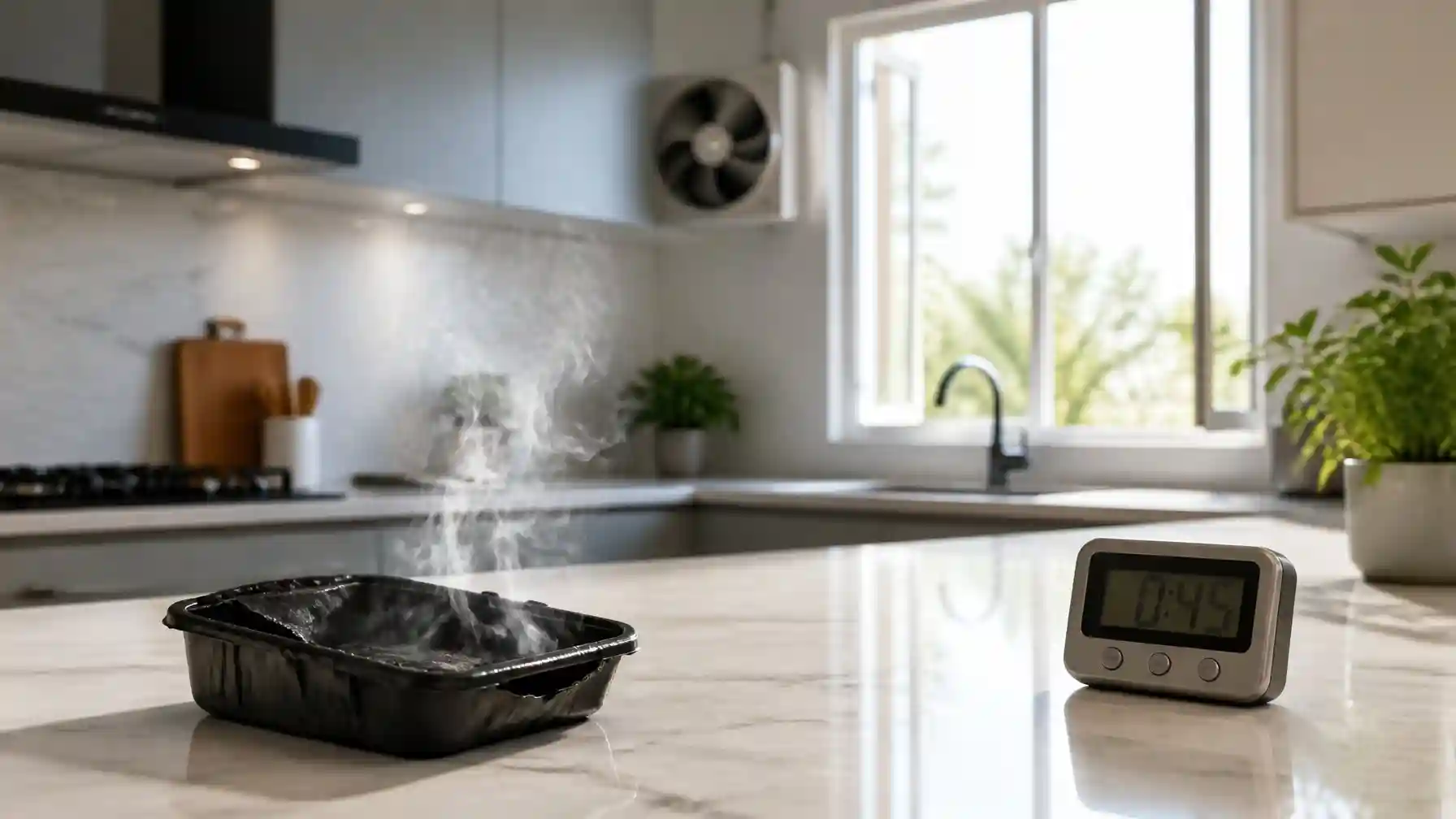
The duration of burnt plastic odor depends heavily on the scale of the incident and how effectively ventilation and cleaning measures are implemented. The smell can last from several hours to a few days with proper remediation, though some situations require weeks or even longer.
Typical Residential Cases
In most household incidents, burnt plastic smell dissipates within a predictable timeframe when proper steps are taken. Minor burns from small appliances or accidentally melted items typically clear within 24 to 48 hours with adequate ventilation.
Opening windows and using fans accelerates the process significantly. Without intervention, the odor can persist for several days or even a week.
I recommend identifying and removing the source immediately, as residual plastic particles can continue releasing odor. Washing nearby surfaces and fabrics helps eliminate absorbed smells that would otherwise extend the timeline.
Active deodorizing with baking soda, vinegar, or activated charcoal can reduce the timeframe to 12-24 hours in favorable conditions. Temperature and humidity also affect dissipation rates, with warmer, drier environments typically allowing faster odor clearance.
Industrial or Large-Scale Incidents
Large-scale plastic burning creates substantially longer odor persistence compared to residential cases. Industrial accidents or significant fires can leave smells lingering for weeks to months without professional remediation.
The volume of burnt material directly correlates with dissipation time. In some cases, the smell can persist for weeks, months, or even years depending on the severity and cleanup efforts undertaken.
Professional HVAC cleaning becomes essential in these scenarios, as burnt particles infiltrate ductwork and building materials. Porous surfaces like drywall, insulation, and concrete absorb odors deeply, requiring specialized treatment or replacement.
Standard ventilation alone proves insufficient for major incidents.
Immediate Steps to Minimize Odor
Acting quickly after a burnt plastic incident can significantly reduce how long the smell persists in your space. The two most critical actions involve maximizing airflow and removing any remaining burnt material from surfaces.
Ventilation Techniques
Open all windows and doors immediately to create cross-ventilation throughout the affected area. Position fans in windows to blow air outward, which pushes the odor outside rather than just circulating it within the room.
Box fans work particularly well when placed in window frames facing outward. Run them continuously for at least 2-3 hours after the incident.
If you have ceiling fans, set them to run at high speed to improve air circulation. Avoid using air fresheners or scented candles as these products can actually worsen the smell by mixing with the burnt plastic odor.
Focus purely on moving fresh air through the space. For stubborn odors, keep the ventilation running for 6-12 hours or even overnight if possible.
Physical Removal of Burnt Residue
Unplug any devices that caused the smell to prevent further burning. Once the burnt plastic has cooled completely, carefully remove all visible residue using gloves to protect your hands.
For hard surfaces, wipe down the area with a damp cloth to capture any remaining particles. If plastic has melted onto an appliance, scrape it off gently with a plastic scraper once it has fully hardened.
Clean surrounding surfaces as well, since burnt plastic particles can travel and settle on nearby countertops, walls, and floors. Dispose of all burnt materials in a sealed plastic bag and remove it from your home immediately.
Long-Term Solutions for Odor Removal
Active filtration systems and odor-absorbing materials provide sustained relief when burnt plastic smells persist beyond initial cleaning efforts. These methods target airborne particles and embedded odors that ventilation alone cannot eliminate.
Using Air Purifiers and Filters
Invest in an air purifier equipped with activated carbon filters specifically designed to capture chemical odors and volatile organic compounds released by burnt plastic. HEPA filters alone won’t remove odors—they trap particles but don’t neutralize gaseous compounds.
Place the purifier in the affected room and run it continuously for several days to a week. The activated carbon works by adsorbing odor molecules onto its porous surface.
For whole-home solutions, replace HVAC filters with high-quality activated carbon filters to prevent the smell from circulating through ductwork.
Key considerations for air purifiers:
- Filter type: Activated carbon or charcoal filters for odor removal
- Room size: Match purifier capacity to square footage
- Runtime: Continuous operation for 3-7 days minimum
- Maintenance: Replace filters as recommended by manufacturer
Absorptive and Neutralizing Products
Baking soda and vinegar neutralize odors from burnt plastic residue by chemically breaking down odor compounds rather than masking them. Place open containers of baking soda throughout the affected area, replacing them every 2-3 days until the smell disappears.
Activated charcoal bags offer another effective option. Place these near the odor source or in closets and cabinets where smells tend to concentrate.
White vinegar bowls left overnight absorb lingering chemical odors effectively. For severe cases where odors penetrate walls or furniture, professional cleaning services use industrial-grade ozone generators or thermal fogging equipment.
Impact of Environmental Conditions
The speed at which burnt plastic odor dissipates depends heavily on temperature, humidity levels, and how air moves through the affected space. These factors work together to either trap or release odor molecules.
Temperature and Humidity Effects
Higher temperatures accelerate the evaporation of odor molecules from surfaces where they’ve settled. Warm air holds more moisture and volatile compounds, which means the burnt plastic particles become more active and easier to remove through ventilation.
High humidity can work against odor removal. Moisture in the air allows odor molecules to cling to surfaces more effectively, making them harder to eliminate.
In humid conditions, the burnt plastic smell can persist longer because water vapor helps odor particles adhere to walls, fabrics, and furniture.
The ideal conditions for odor removal include:
- Moderate temperature (68-75°F)
- Low humidity (30-50%)
- Consistent climate control
Cold temperatures slow down molecular movement, causing odors to linger in materials. During winter months, burnt plastic smells can remain trapped in indoor spaces for days longer than during warmer seasons.
Air Circulation Patterns
Proper air movement is essential for dispersing and removing burnt plastic odors from enclosed spaces. Stagnant air allows odor molecules to settle on surfaces and accumulate in corners, while active circulation pushes contaminated air out and brings fresh air in.
Cross-ventilation creates the most effective air exchange. Opening windows on opposite sides of a room establishes airflow patterns that carry odor molecules outside rather than simply moving them around the same space.
Fans positioned strategically enhance natural ventilation by directing air toward exits. Place exhaust fans near the odor source and intake fans near windows or doors to create a continuous flow.
Ceiling fans should run counterclockwise to push air downward and outward. HVAC systems with clean filters can help distribute fresh air throughout a home, but locating the source of the smell is crucial before relying on forced air systems.
Without adequate air exchange, odors recirculate through ductwork and recontaminate cleaned areas.
Potential Health Implications of Exposure
Breathing burnt plastic fumes can trigger immediate respiratory symptoms and irritation. The risk of long-term damage depends largely on exposure duration and ventilation conditions.
Short-Term Symptoms
When I inhale burnt plastic fumes, my body typically responds with immediate symptoms. Brief exposure can trigger coughing, throat irritation, headaches, or shortness of breath as the respiratory system reacts to the chemical compounds released during plastic combustion.
The severity of these symptoms depends on the amount of plastic burned and how well-ventilated the area is. Common immediate reactions include:
- Respiratory irritation: Coughing, wheezing, or difficulty breathing
- Mucous membrane effects: Burning eyes, nose irritation, or throat discomfort
- Neurological responses: Headaches, dizziness, or nausea
- Skin reactions: Mild irritation if fumes contact exposed skin
If I experience persistent coughing or difficulty breathing after exposure, these symptoms warrant medical attention.
Long-Term Concerns
A single, brief exposure to burnt plastic fumes rarely causes permanent damage in healthy individuals. The risk of chronic health problems increases primarily with repeated or prolonged exposure to burning plastic.
Burning plastic releases toxic substances, and the fumes often contain potentially carcinogenic substances. The occasional kitchen accident involving small amounts of melted plastic typically doesn’t result in lasting harm.
Key factors affecting long-term risk include exposure frequency, duration, plastic type, and individual health status. People with pre-existing respiratory conditions like asthma may experience more significant effects from even brief exposures.
When to Seek Professional Assistance
I recommend calling a professional if the burnt plastic odor continues for several days despite your best cleaning efforts. Persistent odors that resist standard deodorizing methods indicate a more serious underlying issue that requires expert attention.
You should contact an electrician immediately if you notice any of these warning signs:
- Exposed or damaged wiring in your walls or electrical outlets
- Burning smells coming from outlets, switches, or appliances
- Flickering lights or frequently tripping circuit breakers
- Visible scorch marks around electrical fixtures
- Inability to locate the source of the burnt plastic smell
I advise seeking HVAC professionals when the smell appears to originate from your heating or cooling system. Burnt plastic odors in ductwork can spread throughout your entire home and may indicate melted components or electrical problems within the system.
If you detect signs of smoke damage or mold growth alongside the burnt smell, I suggest contacting a restoration specialist. These professionals have specialized equipment to assess structural damage and properly remediate affected areas.
When I cannot identify where the smell is coming from after thorough inspection, I always recommend calling an electrician for help. Hidden electrical issues pose serious fire hazards and should never be ignored.
Professional assistance becomes essential when dealing with burnt plastic in hard-to-reach areas like inside walls, under flooring, or within major appliances. These situations require specialized tools and expertise to resolve safely.
Frequently Asked Questions
Is a burnt plastic smell in the home harmful to breathe?
Yes, breathing burnt plastic fumes can be harmful. When plastic burns, it releases toxic chemicals including dioxins, furans, and volatile organic compounds that can irritate the respiratory system.
The severity depends on the type of plastic, amount burned, and duration of exposure. Short-term exposure typically causes minor irritation, while prolonged exposure in poorly ventilated spaces poses greater health risks.
I recommend evacuating the area immediately if the smell is strong and ensuring proper ventilation before re-entering.
What symptoms can occur after inhaling plastic fumes?
Common symptoms include headaches, dizziness, nausea, and eye irritation. Respiratory effects like coughing, throat irritation, and difficulty breathing frequently occur after inhaling plastic smoke.
Some people experience chest tightness or shortness of breath. More sensitive individuals, including children, elderly people, and those with asthma or other respiratory conditions, may have more severe reactions.
Symptoms can appear immediately or develop within hours of exposure.
What should you do immediately after accidentally breathing in burnt plastic smoke?
Move to fresh air immediately and remove yourself from the contaminated area. Open windows and doors to ventilate the space thoroughly.
I advise removing any clothing that may have absorbed the fumes and washing exposed skin with soap and water. Drink water to help flush your system and soothe throat irritation.
If you’re experiencing mild symptoms, monitor yourself closely while breathing fresh air. Rest in a well-ventilated area until symptoms subside.
When should you seek medical help for exposure to burnt plastic fumes?
Seek immediate medical attention if you experience severe symptoms like persistent difficulty breathing, chest pain, or rapid heart rate. Confusion, loss of consciousness, or severe dizziness require emergency care.
I recommend contacting a doctor if mild symptoms don’t improve within a few hours or if they worsen. Anyone with pre-existing respiratory conditions should consult their healthcare provider even after minor exposure.
Children and pregnant women should receive medical evaluation if they’ve inhaled significant amounts of plastic fumes.
Why might you smell burning plastic when there is no obvious source?
Burning plastic smells without an obvious source can indicate electrical problems like overheating wiring, malfunctioning outlets, or failing appliances. Dust accumulation on heating elements or light fixtures can also produce plastic-like odors when heated.
Sometimes the smell originates from a neighboring apartment or outside source entering through ventilation systems. HVAC systems can circulate odors from plastic components overheating within the system itself.
I suggest checking all electrical outlets, appliances, and circuit breakers for signs of overheating. If you cannot locate the source, contact an electrician to inspect your electrical system.
What are the most effective ways to remove a burnt plastic odor from a house?
Ventilation is the fastest initial approach—open all windows and doors to create cross-breezes that push contaminated air outside. Air purifiers with activated carbon filters effectively capture odor molecules.
Placing bowls of white vinegar, baking soda, or activated charcoal around affected rooms absorbs lingering smells. Washing all fabrics including curtains, upholstery, and linens removes odor particles that cling to textiles.
Deep cleaning carpets and using odor-neutralizing sprays on porous surfaces accelerates the removal process.

“I believe great cooking starts with the right tools, trusted advice, and a little confidence in the kitchen.”
Hi, I’m Emma Carter. My love for cooking began in my grandmother’s kitchen, where I learned that every great meal starts with simple ingredients and the right cookware. Over the years, I’ve spent countless hours researching, testing, and comparing kitchen appliances, cookware, coffee makers, air fryers, and other everyday kitchen essentials.
Here at KiCook, my goal is to make your buying decisions easier with honest product reviews, practical buying guides, and easy-to-follow cooking tips. Whether you’re upgrading your kitchen or searching for the best appliance for your home, I focus on providing clear, reliable, and research-backed information you can trust.
When I’m not testing new kitchen gadgets or writing in-depth guides, you’ll usually find me trying new recipes, visiting local farmers’ markets, or enjoying a quiet cup of coffee while planning my next kitchen project.