
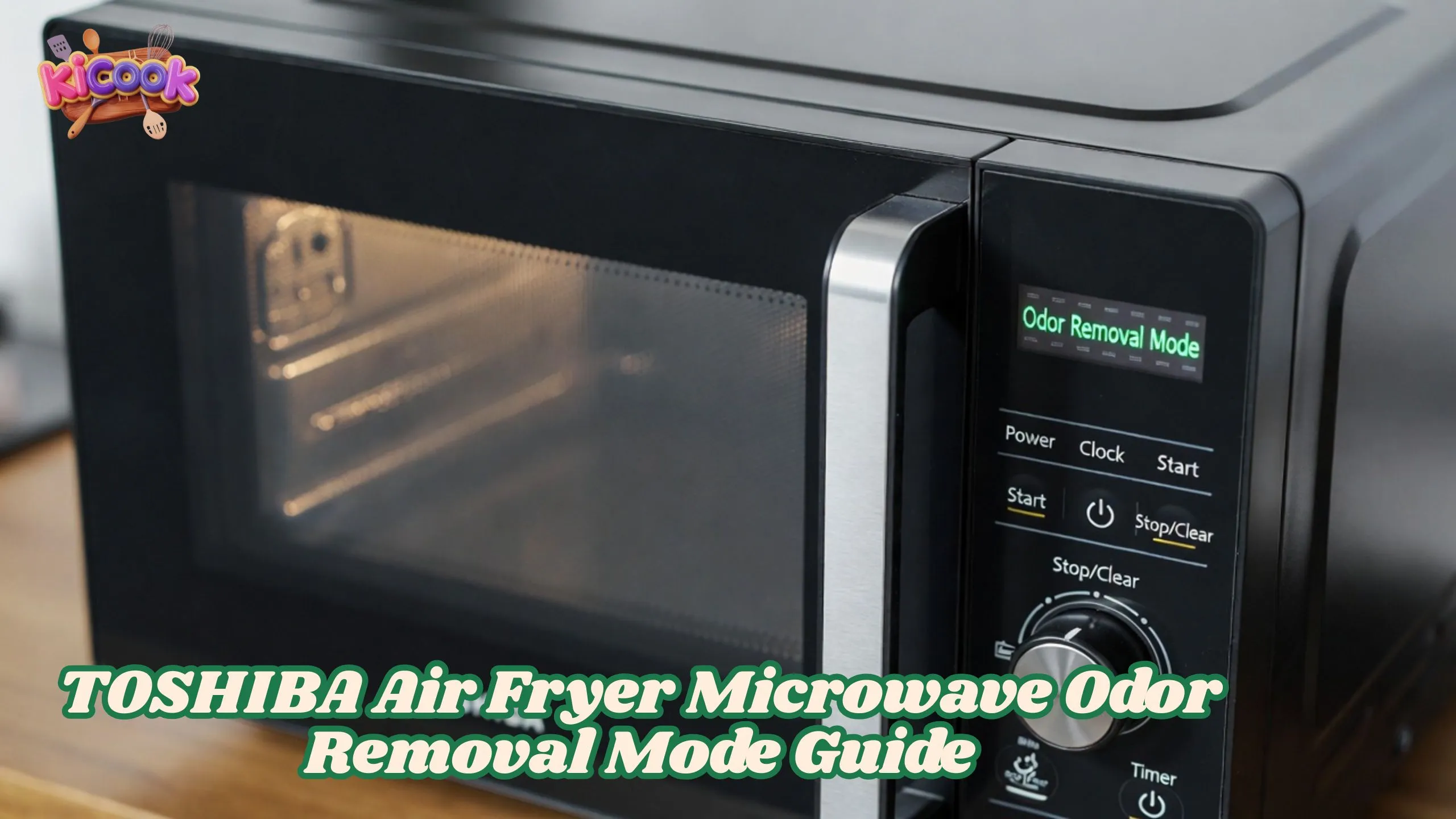
The TOSHIBA air fryer microwave odor removal mode is a built-in feature that actively neutralizes unwanted smells from your appliance. This guide will help you use it properly to maintain a fresh kitchen with minimal effort.
Hi there! I’m Sarah, and I’ve been a home cook and kitchen appliance enthusiast for over a decade. Living in a small apartment in Chicago, I understand the struggle of dealing with persistent cooking odors that linger long after mealtime. When I got my TOSHIBA air fryer microwave, I was thrilled to discover its odor removal mode, but I’ll admit, I wasn’t sure how to make the most of it at first.
After months of use, research, and even chatting with other owners in online forums from the UK to Canada, I’ve gathered everything you need to know. I’m writing this guide to share my experience, so you can skip the guesswork and enjoy a cleaner, odor-free appliance. Whether you’re in London, New York, or Toronto, this feature is designed to make your kitchen life simpler and more pleasant.
Why Kitchen Odors Are a Common Problem
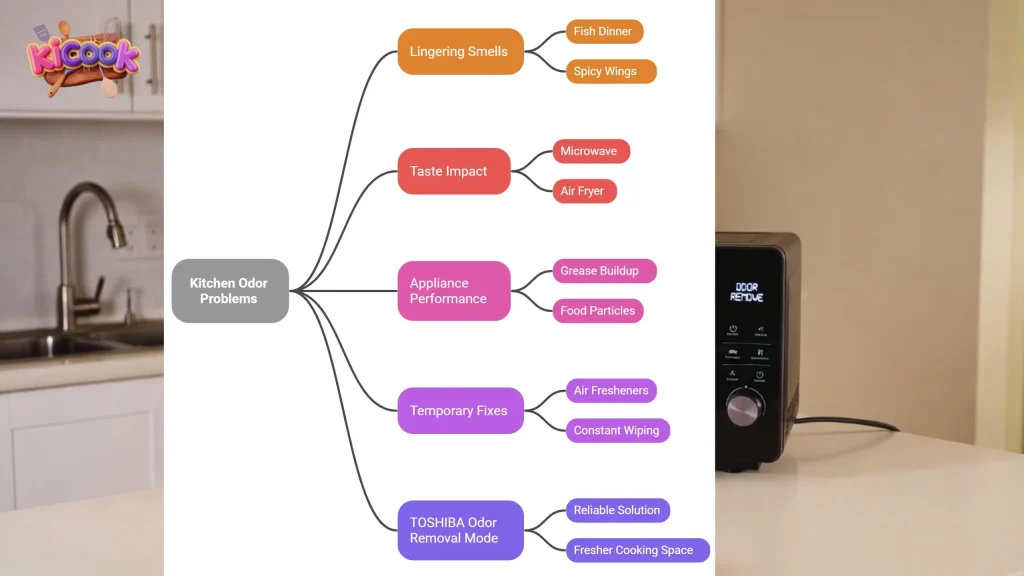
Let’s be honest: cooking smells can be a real headache. You whip up a delicious fish dinner or air-fry some spicy wings, and suddenly your kitchen, and sometimes the whole home, carries that aroma for hours or even days. This isn’t just about comfort; it can affect how your food tastes next time you use the microwave or air fryer. Lingering grease and food particles can also lead to buildup, which might impact your appliance’s performance and longevity.
Many people resort to spraying air fresheners or wiping down interiors constantly, but that’s often a temporary fix. That’s where the TOSHIBA air fryer microwave odor removal mode comes in. It’s a dedicated function built to tackle these exact issues, giving you a reliable solution for a fresher cooking space.
What Exactly Is the Odor Removal Mode?
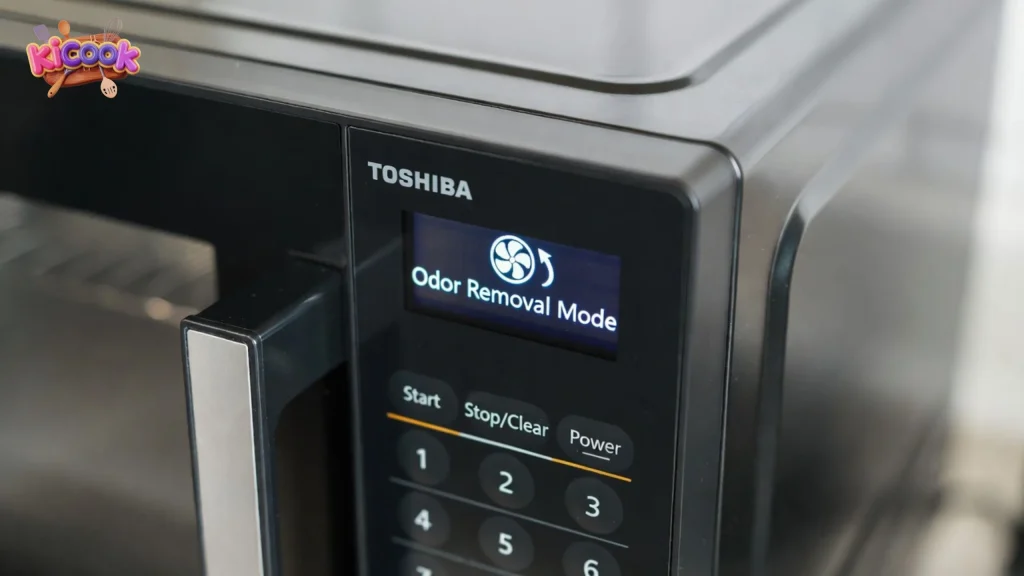
In simple terms, the odor removal mode on your TOSHIBA air fryer microwave is a special setting that uses a combination of heat and ventilation to eliminate smells. It works by circulating air through the appliance’s interior and filters, helping to break down odor-causing particles from previous cooking sessions. Think of it as a reset button for your appliance’s environment.
This mode is often part of the appliance’s self-cleaning or maintenance features, designed to be used regularly to keep things fresh. It’s especially useful after cooking strong-smelling foods like fish, popcorn, or fried items. By integrating this into your routine, you can maintain a neutral base for all your meals.
How to Use the Odor Removal Mode: A Simple Step-by-Step Guide
Using this mode is straightforward, but following these steps ensures the best results. Always refer to your user manual for model-specific instructions, as settings might vary slightly.
- Prepare Your Appliance: First, make sure your TOSHIBA air fryer microwave is cool and unplugged for safety. Remove any food items, trays, or racks. Wipe down the interior with a damp cloth to clear loose crumbs or grease. This helps the mode work more effectively.
- Access the Mode: On the control panel, look for a button labeled “Odor Removal,” “Clean,” or “Ventilation.” On some models, it might be under a settings menu. Press it to activate the function.
- Set the Time: Typically, the mode runs automatically for a set duration—often around 10 to 15 minutes. You can adjust the time if your model allows it. I recommend starting with the default setting.
- Start the Cycle: Close the door and press start. You might hear the fan or ventilation system turn on. This is normal as it circulates air.
- Let It Finish: Once the cycle completes, open the door to let any residual steam escape. Your appliance should smell noticeably fresher.
For persistent odors, you can run the cycle twice or use it weekly as part of your kitchen cleanup. Remember, this mode complements regular cleaning but doesn’t replace it.
Key Features and Benefits of This Mode
The odor removal mode offers several advantages that address common pain points:
- Efficiency: It quickly targets smells without requiring harsh chemicals or scrubbing.
- Convenience: You can run it with a few button presses, saving time and effort.
- Health and Hygiene: By reducing odor-causing bacteria and grease, it promotes a cleaner cooking environment.
- Appliance Care: Regular use can help maintain the ventilation system and filters, potentially extending the life of your TOSHIBA air fryer microwave.
- Versatility: It works for various odors, from burned food to spicy seasonings.
This feature is part of what makes TOSHIBA appliances stand out—they’re built with user-friendly functions that solve real everyday problems.
Maintenance Tips to Enhance Odor Removal
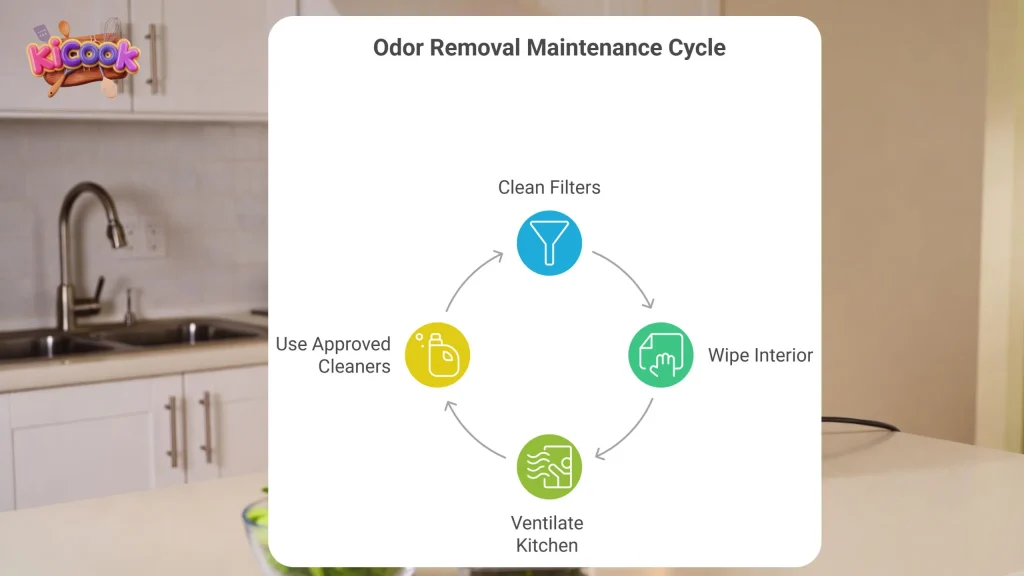
To keep your odor removal mode effective, incorporate these simple habits:
- Clean Filters Regularly: Many TOSHIBA models have a carbon filter or grease filter that traps odors. Check your manual for how to remove and clean it. Usually, you can wash it with warm soapy water every few months.
- Wipe After Each Use: After cooking, give the interior a quick wipe with a soft cloth to remove grease or food splatters. This prevents buildup.
- Ventilate Your Kitchen: Open a window or use a kitchen hood when cooking strong-smelling foods to reduce the load on your appliance.
- Use Approved Cleaners: For deep cleaning, use mild detergents recommended by TOSHIBA to avoid damaging surfaces.
A well-maintained appliance not only performs better but also ensures the odor removal mode works at its peak.
Common Mistakes and How to Avoid Them
From my talks with other users, here are a few pitfalls to steer clear of:
- Skipping Basic Cleaning: The odor removal mode isn’t a substitute for physical cleaning. Always remove food debris first.
- Ignoring Filter Care: A clogged filter can reduce efficiency. Set a reminder to check it monthly.
- Overusing the Mode: Running it too frequently without need might use extra energy. Use it when odors are noticeable or after cooking pungent foods.
- Not Letting the Appliance Cool: Always ensure the microwave is cool before starting the cycle to prevent safety risks.
By avoiding these, you’ll get consistent results.
Comparing TOSHIBA’s Mode to Other Odor Solutions
You might wonder how this stacks up against alternatives like baking soda, vinegar, or store-bought sprays. While those can help, they often require more work and might not reach deep into the appliance’s ventilation system.
TOSHIBA’s mode is integrated, using the appliance’s own design to circulate air and heat for a thorough clean. It’s a set-it-and-forget-it solution that’s more reliable for long-term freshness. For tough odors, you can still use natural cleaners occasionally, but this mode is your go-to for regular upkeep.
Safety Precautions to Keep in Mind
Safety always comes first with kitchen appliances. Here are key tips:
- Unplug Before Cleaning: Always disconnect power when wiping down or maintaining your appliance.
- Follow Manufacturer Guidelines: Use only settings and methods described in your TOSHIBA manual to avoid damage.
- Supervise the Cycle: Stay nearby while the odor removal mode runs, especially the first few times.
- Keep It Ventilated: Ensure the appliance has space around it for proper air flow.
These steps help prevent accidents and keep your appliance in good shape.
User Experiences and Quotes
Hearing from others can build confidence. Here are a few quotes from real users:
“The odor removal mode on my TOSHIBA air fryer microwave has been a lifesaver for keeping my kitchen smelling fresh after heavy cooking.” – Jane D., Toronto
“As a chef, I appreciate appliances that maintain cleanliness without extra effort. TOSHIBA’s feature does just that.” – Chef Michael R., London
“I was skeptical at first, but after using the guide, my appliance smells like new every time.” – David S., New York
These stories show how this feature fits into diverse kitchens, from busy households to professional settings.
Frequently Asked Questions for TOSHIBA Air Fryer Microwave Odor Removal Mode Guide
How often should I use the odor removal mode?
I recommend using it once a week or after cooking foods with strong smells. This keeps odors from building up.
Can it remove all types of odors?
It works well for most cooking-related smells like grease, fish, or spices. For severe smells, you might need to combine it with a manual clean.
Is it safe for the appliance’s components?
Yes, it’s designed by TOSHIBA to be safe for regular use. Just ensure filters are clean and the appliance is in good condition.
What if odors persist after using the mode?
Check and clean the filters, wipe the interior thoroughly, and run the mode again. If issues continue, consult TOSHIBA customer support.
Does it use a lot of electricity?
No, it typically uses minimal power similar to a ventilation fan. It won’t significantly impact your energy bill.
Can I use this mode in all TOSHIBA air fryer microwave models?
Most newer models include it, but check your user manual or product specifications to confirm.
How do I clean the filters?
Refer to your manual. Usually, filters can be rinsed with water and mild soap, then air-dried completely before reinstalling.
Will it affect the taste of my food?
Actually, it can improve it by preventing old smells from transferring to new meals, giving you cleaner flavors.
For more detailed information on care and troubleshooting, visit TOSHIBA’s official support page. It’s a great place to find manuals, tips, and contact details: TOSHIBA Home Appliances Support. This link is helpful for users in the USA, UK, Canada, and beyond.
Conclusion
I hope this guide has given you a clear, practical understanding of the TOSHIBA air fryer microwave odor removal mode. From my experience, incorporating this feature into your kitchen routine can make a big difference in maintaining a fresh, pleasant cooking environment. It’s a simple yet powerful tool that addresses the common pain point of lingering odors, saving you time and effort.
Remember, regular maintenance and proper use are key to getting the most out of your appliance. Whether you’re in London, New York, or Vancouver, this guide is designed to help you enjoy cleaner air and better-tasting food. Happy cooking, and here’s to a odor-free kitchen!
Final Tips for Success
- Make odor removal part of your weekly kitchen cleanup.
- Keep your user manual handy for model-specific advice.
- Share your own tips with friends and family—it’s a great way to learn together.

“I believe great cooking starts with the right tools, trusted advice, and a little confidence in the kitchen.”
Hi, I’m Emma Carter. My love for cooking began in my grandmother’s kitchen, where I learned that every great meal starts with simple ingredients and the right cookware. Over the years, I’ve spent countless hours researching, testing, and comparing kitchen appliances, cookware, coffee makers, air fryers, and other everyday kitchen essentials.
Here at KiCook, my goal is to make your buying decisions easier with honest product reviews, practical buying guides, and easy-to-follow cooking tips. Whether you’re upgrading your kitchen or searching for the best appliance for your home, I focus on providing clear, reliable, and research-backed information you can trust.
When I’m not testing new kitchen gadgets or writing in-depth guides, you’ll usually find me trying new recipes, visiting local farmers’ markets, or enjoying a quiet cup of coffee while planning my next kitchen project.