
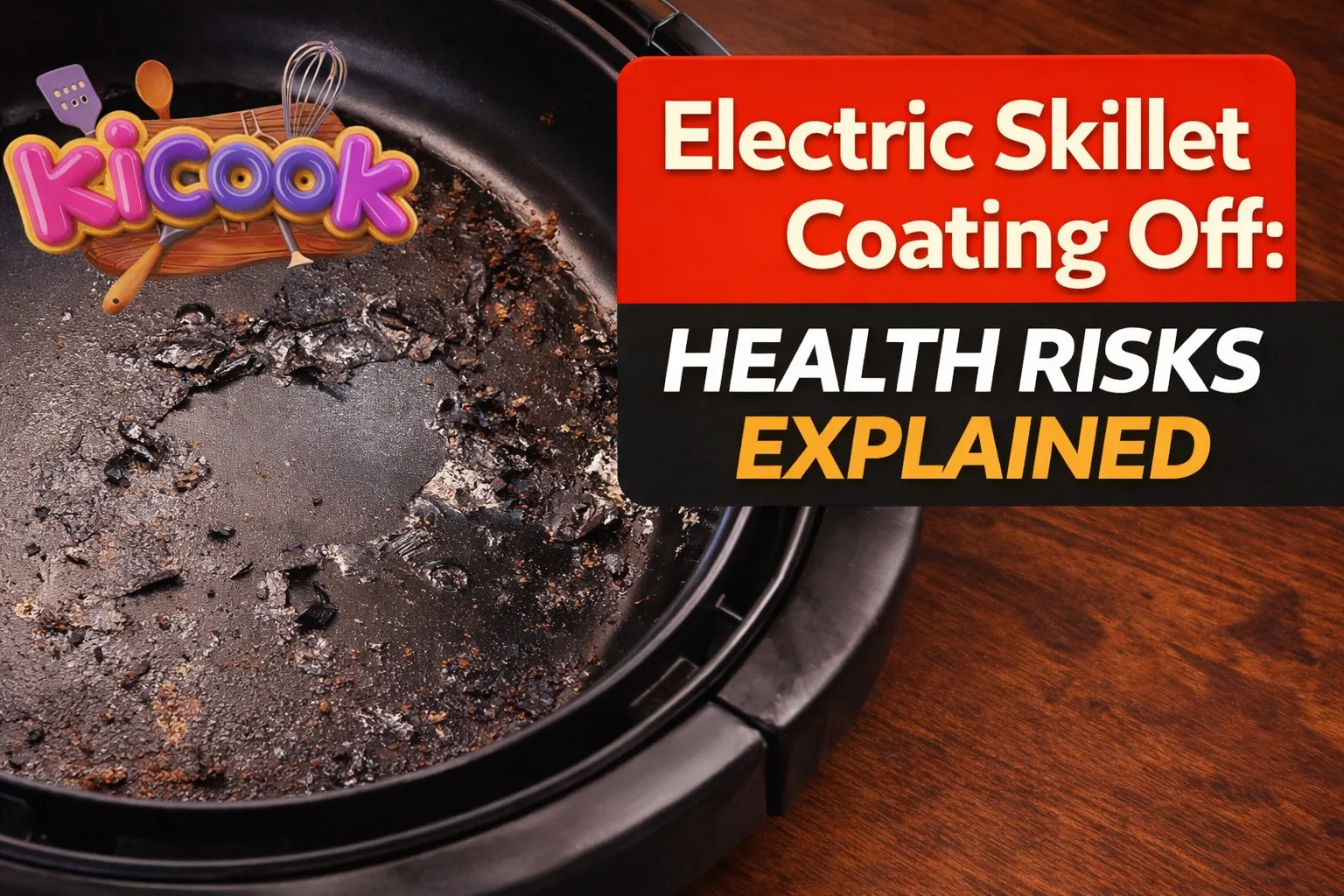
When the nonstick coating on your electric skillet starts peeling or flaking, it’s not just frustrating it can pose potential health concerns and affect the way you cook. Understanding the risks, causes, and how to handle this issue can help you stay safe in the kitchen.
Why the Coating Comes Off in the First Place
Electric skillet coatings typically Teflon (PTFE) or ceramic are designed to reduce sticking and make cooking easier. But over time, these coatings can start to fail.
Common reasons include:
- High heat exposure
- Abrasive cleaning
- Metal utensils
- Age and wear
- Manufacturing defects
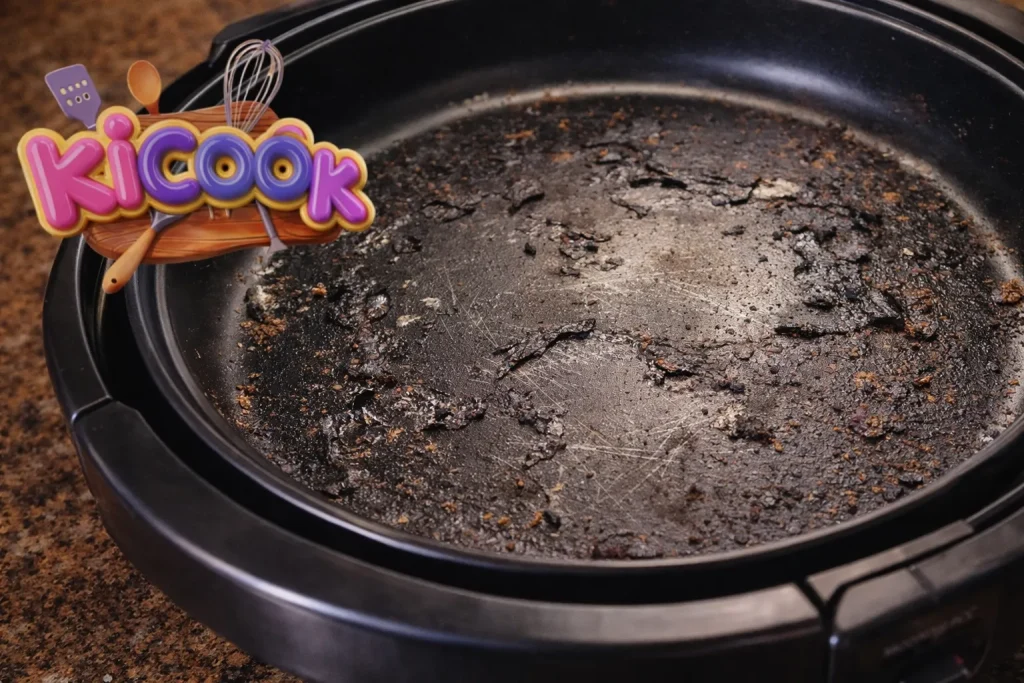
Once the surface is scratched or compromised, coating particles can flake off into your food.
Health Risks of Ingesting Nonstick Coating Particles
The big question is: Is it dangerous if nonstick coating gets into your food?
Here’s what we know:
1. Small flakes are unlikely to cause major harm
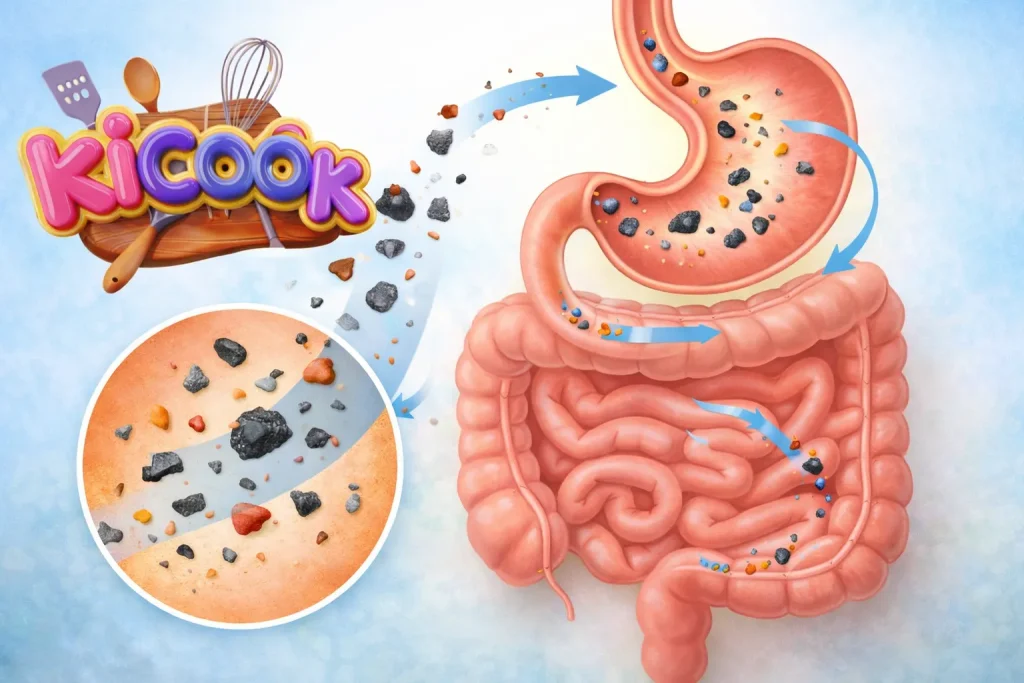
If you occasionally ingest tiny flakes from a nonstick surface, they will likely pass through your digestive system without being absorbed.
2. The risks increase with frequent exposure
Repeated ingestion of coating chemicals not just flakes raises more concern. Some older nonstick coatings release chemicals linked to health issues when overheated.
According to medical and cookware safety overviews, PTFE fumes at high temperature can be harmful to pets and sensitive individuals, though human ingestion of flakes is not well-studied in long-term research. (General cookware safety info from a Wikipedia nonstick cookware overview clarifies concerns about overheating and chemical release.)
What Happens When Nonstick Coatings Overheat
Nonstick coatings can release gases and degrade when exposed to high heat—especially beyond manufacturer-recommended temperatures.
This can lead to:
- Toxic fumes (dangerous for pets like birds)
- Decomposition of coating chemicals
- Accelerated peeling and flaking
This is why following temperature guidelines and avoiding overheating is crucial.
Ceramic vs. PTFE Coatings: Which Is Safer?
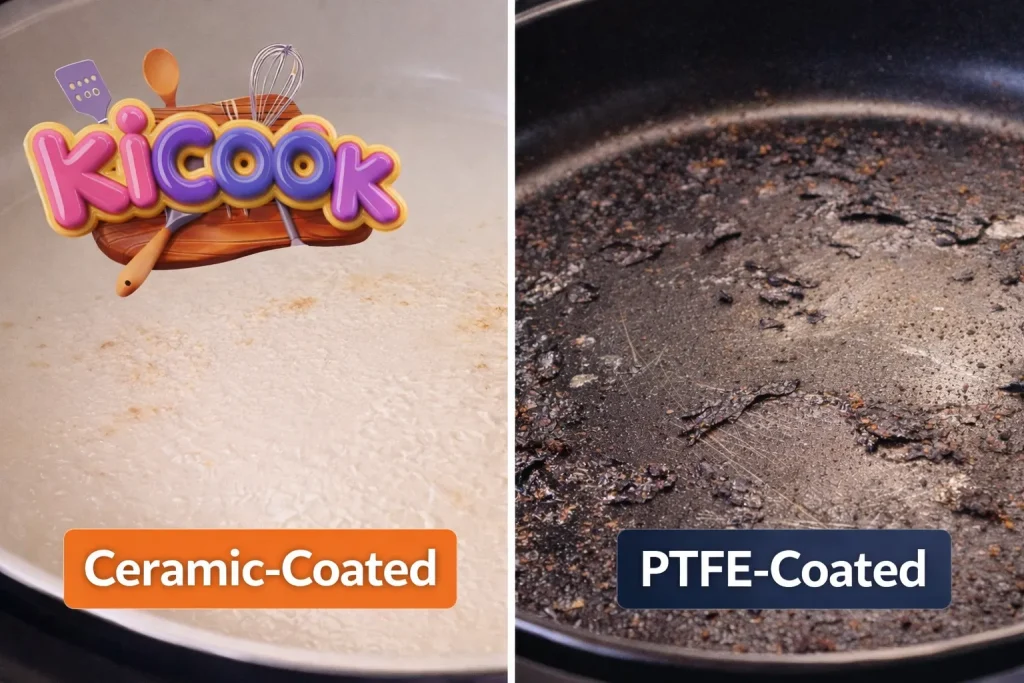
There are two main types of nonstick coatings:
PTFE (e.g., Teflon)
- Widely used
- Great nonstick performance
- Can emit fumes if overheated
Ceramic
- More heat-resistant
- Often marketed as “non-toxic”
- Coating can degrade faster with wear
Neither surface is immune to wear—so safety comes down to how you use and care for your skillet.
Everyday Safety Tips to Prevent Coating Damage
Keeping your electric skillet safe and functional longer isn’t hard if you follow these habits:
- Cook on medium heat instead of max
- Avoid metal utensils
- Use silicone, wood, or plastic tools
- Clean with non-abrasive sponges
- Don’t spray oils directly onto hot surfaces
Using care can slow down coating wear and reduce health concerns.
When to Stop Using Your Electric Skillet
If the coating is visibly flaking or peeling, and you see particles in your food, it’s time to retire that skillet.
It may still “work,” but the coating is compromised, which means:
- Increased sticking
- Greater chemical exposure
- Possible ingestion of coating particles
Safety should come first.
Pros and Cons: Coated Electric Skillets
Pros
- Easy cooking and minimal sticking (when new)
- Quick cleanup
- Great for delicate foods like eggs and pancakes
Cons
- Coating wears with use
- Peeling can contaminate food
- High heat can cause degradation
- Not always repairable
Expert Opinion
By Alex Turner, Kitchen Appliance Specialist
“Nonstick coatings are incredibly convenient, but they’re not permanent. When you see peeling or flaking, especially visible in your food, it’s a sign the skillet has reached the end of its safe life. Replacing it before bigger problems arise is the most practical choice.”
Frequently Asked Questions on Electric Skillet Coating Coming Off
Is ingesting nonstick coating toxic?
Small flakes likely pass through your system, but frequent exposure isn’t advisable.
Can I repair a peeling nonstick coating?
No. Once a coating is compromised, it can’t be restored reliably.
Are ceramic coatings safer than PTFE?
Ceramic coatings are more heat tolerant, but both types degrade over time.
Should I cook at lower temperatures to avoid peeling?
Yes, moderate heat reduces wear and chemical breakdown.
Is it safe to buy a used electric skillet?
Only if the coating is fully intact and unworn.
Conclusion
If your electric skillet’s coating is coming off, it’s more than a cosmetic issue it’s a health and safety concern. While small flakes may not cause immediate harm, regular exposure and high-heat degradation can increase risks. The best solution is prevention through good care and replacement when needed.
Taking these steps helps you cook safely, enjoy better food, and keep your kitchen stress-free.

Related Articles You May Find Helpful
- To troubleshoot coating or buildup issues, this guide on common electric skillet problems and how to fix them can help you identify early signs
- If your skillet is acting up beyond coating wear, this electric skillet not working guide helps diagnose electrical and heating issues
- For broader safety insights, this article on electric skillet safety issues you should know explains how to use these appliances responsibly
- Thinking about whether to invest in a new appliance? This honest look at whether electric skillets are worth it covers long-term value
- And for step-by-step help when things go wrong, this electric skillet troubleshooting guide is a practical resource

“I believe great cooking starts with the right tools, trusted advice, and a little confidence in the kitchen.”
Hi, I’m Emma Carter. My love for cooking began in my grandmother’s kitchen, where I learned that every great meal starts with simple ingredients and the right cookware. Over the years, I’ve spent countless hours researching, testing, and comparing kitchen appliances, cookware, coffee makers, air fryers, and other everyday kitchen essentials.
Here at KiCook, my goal is to make your buying decisions easier with honest product reviews, practical buying guides, and easy-to-follow cooking tips. Whether you’re upgrading your kitchen or searching for the best appliance for your home, I focus on providing clear, reliable, and research-backed information you can trust.
When I’m not testing new kitchen gadgets or writing in-depth guides, you’ll usually find me trying new recipes, visiting local farmers’ markets, or enjoying a quiet cup of coffee while planning my next kitchen project.