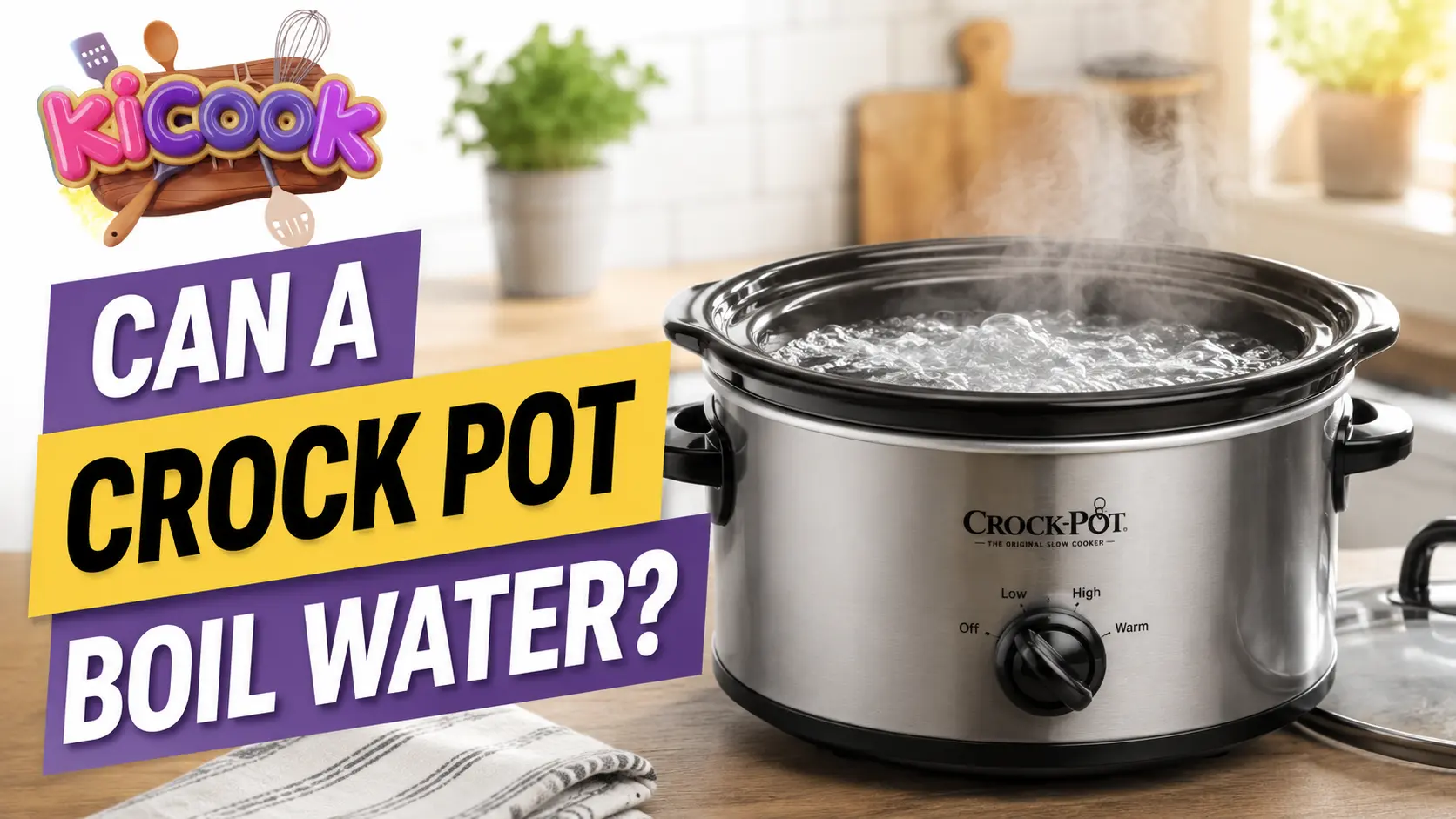
Yes, a crock pot can boil water — but it won’t happen quickly.
Most slow cookers can reach 212°F (100°C), the boiling point of water, when set to HIGH with the lid on. The catch? It typically takes 2 to 4 hours, compared to just minutes on a stovetop.
So when does it make sense to boil water in a crock pot and when should you just use the kettle? Here’s everything you need to know.
Why Does It Matter If a Crock Pot Can Boil Water?
Understanding whether a crock pot will boil water can help you make better decisions in the kitchen.
Many people rely on slow cookers because they are convenient, energy-efficient, and easy to use. However, when recipes require boiling water, uncertainty often arises. If the water never reaches a true boil, cooking times and food safety can be affected.
Some common situations include:
- Preparing pasta in a slow cooker
- Making soups and broths
- Cooking rice or grains
- Sterilizing jars or utensils
- Keeping water hot for beverages
The challenge is that crock pots operate differently from stovetops. They use low-wattage heating elements that gradually transfer heat through a ceramic insert. This design prioritizes consistent cooking rather than rapid heating.
According to food safety experts, maintaining temperatures above 140°F (60°C) is essential for safe cooking. Fortunately, most modern crock pots can exceed this temperature and often approach or reach the boiling point during extended cooking sessions.
Understanding your appliance’s capabilities helps you avoid undercooked food, save time, and improve kitchen efficiency.
How to Get a Crock Pot to Boil Water Faster
A crock pot will eventually boil water, but these steps help you get there faster:
1. Always use the HIGH setting
LOW may not reliably reach boiling point. HIGH gives you the best chance of hitting 212°F consistently.
2. Start with hot tap water
This alone can cut 30–45 minutes off your heating time. Never start with cold water if speed matters.
3. Keep the lid on the entire time
Every time you lift the lid, you lose heat and add 15–20 minutes to your cooking time.
4. Use less water
Smaller volumes heat faster. If you only need 2 cups, don’t fill the pot halfway.
5. Check with a thermometer
Don’t rely on visual steam alone. Use a kitchen thermometer to confirm you’ve hit 212°F.
Step-by-Step Guide
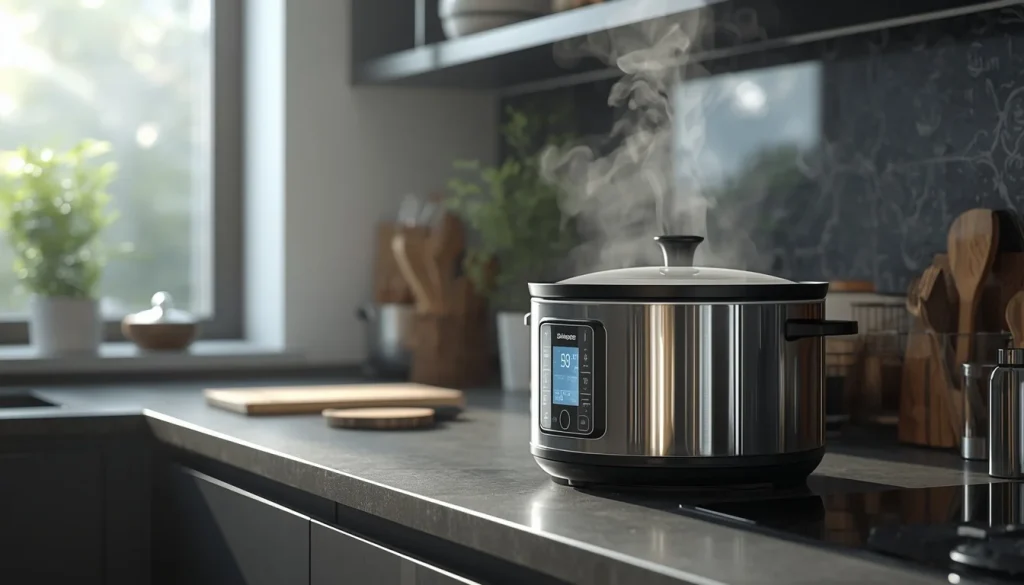
Follow these steps if you want to boil water in a crock pot:
- Place the crock pot on a stable, heat-resistant surface.
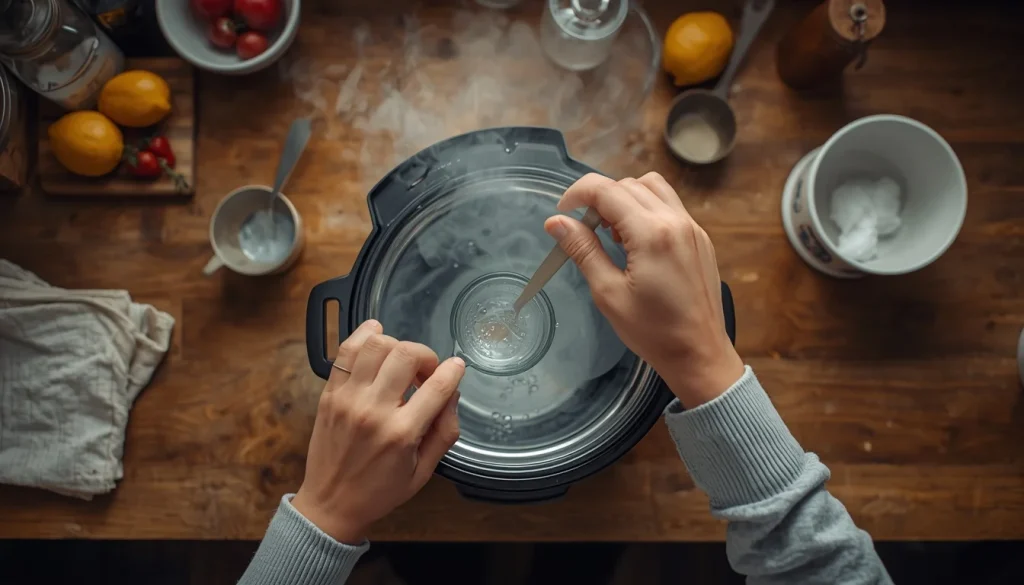
- Fill with hot tap water, not cold. Starting with already-warm water reduces heating time noticeably. Cold water adds unnecessary wait time.
- Avoid exceeding the maximum fill line.
- Secure the lid tightly.
- Set to HIGH, not LOW. This is non-negotiable if you actually want a boil. LOW setting may only reach 185°F–200°F on many models.
- Wait 2–4 hours without lifting the lid. Set a timer and walk away. Checking too often is the most common reason water never fully boils.
- Look for rolling bubbles, not just steam. Steam appears well before boiling. You want continuous bubbles rising from the bottom — that’s a true boil.
- Carefully remove the lid using oven mitts to avoid steam burns.
For most models, smaller amounts of water reach the crock pot boiling point faster than larger quantities. Patience is important because slow cookers are engineered for gradual heating.
Crock Pot Temperature Guide
| Setting | Approximate Temperature | Reaches Boiling? |
|---|---|---|
| LOW | 185°F – 200°F (85°C–93°C) | Rarely |
| HIGH | 200°F – 212°F (93°C–100°C) | Usually |
| WARM | 145°F – 165°F (63°C–74°C) | No |
Note: Exact temperatures vary by brand and model. Older appliances may struggle to reach 212°F even on HIGH.
According to food scientists at Serious Eats, understanding how heat transfers through ceramic cookware helps explain why slow cookers take longer to reach boiling point than direct-heat methods.
Expert Tips & Common Mistakes
Knowing the right techniques can make a significant difference.
Pro Tips
- Use HIGH mode whenever boiling is the goal.
- Keep the lid closed as much as possible.
- Preheat with warm water to reduce waiting time.
- Use smaller water quantities when practical.
- Consider smart kitchen appliances that monitor temperature automatically.
The growing trend of AI-assisted cooking tools and connected kitchen devices in 2026 makes temperature management easier than ever.
Common Mistakes to Avoid
- Opening the lid repeatedly.
- Each opening releases significant heat.
- Expecting stovetop speed.
- Slow cookers are intentionally designed to heat gradually.
- Overfilling the crock pot.
- More water means longer heating times.
- Using old or damaged appliances.
- Worn heating elements may struggle to reach the crock pot boiling temperature.
For most households, a crock pot works best as a slow-cooking tool rather than a replacement for a kettle or saucepan.
FAQs
Can a crock pot boil water completely?
Yes. Most crock pots can eventually bring water to a full boil when set to HIGH. However, the process is slower than using a stovetop because slow cookers are designed for gradual heat transfer.
Will a crock pot boil water on the low setting?
It depends on the model and cooking duration. Some crock pots may approach boiling temperatures on LOW, but HIGH is generally required for a consistent boil.
What is the crock pot boiling temperature?
Water boils at approximately 212°F (100°C) at sea level. Many crock pots can reach or closely approach this temperature during extended cooking.
How long does it take for a crock pot to boil water?
Typically between 2 and 4 hours on HIGH, depending on the amount of water, starting temperature, and appliance power.
Is boiling water in a crock pot energy efficient?
For long cooking sessions, crock pots are generally energy efficient. However, for simply boiling water, a kettle or stovetop is usually faster and more efficient.
Can I cook pasta once the water boils in a crock pot?
Yes, but cooking times may differ from stovetop instructions because the temperature can fluctuate slightly.
Is it safe to leave water heating in a crock pot unattended?
Most modern crock pots are designed for unattended cooking, but always follow the manufacturer’s safety guidelines and ensure the appliance is in good condition.
Can a crock pot boil water for pasta?
Yes, but plan ahead. Bring the water to a boil on HIGH (2–4 hours), then add pasta. Cooking time may vary slightly since crock pot temperatures can fluctuate around boiling point.
Why is my crock pot not boiling water?
The most common reasons are using the LOW setting, having the lid off, overfilling the pot, or using an older appliance with a worn heating element. Switch to HIGH, keep the lid on, and reduce the water amount.
What temperature does a crock pot reach on HIGH?
Most crock pots reach between 200°F and 212°F (93°C–100°C) on HIGH. Some models may stay just below boiling, while others consistently hit 212°F with extended heating.
Can you sterilize jars in a crock pot with boiling water?
You can use a crock pot to keep jars hot, but it may not maintain a vigorous enough boil for safe sterilization. A large stovetop pot is safer and more reliable for canning.
Is it safe to boil water in a crock pot overnight?
Most modern crock pots are designed for extended cooking, but boiling water overnight is not recommended. Water evaporates during a boil and can leave the pot running empty, which may damage the appliance.
Does a crock pot boil water faster with the lid on or off?
Always with the lid on. The lid traps heat and steam, which significantly speeds up the process. Without the lid, your crock pot may never reach a full boil.
Conclusion
So, can a crock pot boil water? Absolutely. Most modern slow cookers can reach the boiling point of water, especially when operated on the HIGH setting with the lid securely in place. However, they do so much more slowly than traditional stovetop cookware.
If your goal is simply to boil water quickly, a kettle or saucepan remains the better choice. But if you’re already using your slow cooker for soups, stews, or other recipes, knowing that a crock pot will boil water can be useful for meal preparation and kitchen flexibility.
By understanding the crock pot boiling point, proper heating techniques, and common mistakes to avoid, you can get better results from your appliance while saving time and effort. Try these kitchen tips today and make the most of your slow cooker’s capabilities.
A crock pot isn’t the fastest way to boil water, but knowing it can do it makes you a more flexible, confident cook.
“I believe great cooking starts with the right tools, trusted advice, and a little confidence in the kitchen.”
Hi, I’m Emma Carter. My love for cooking began in my grandmother’s kitchen, where I learned that every great meal starts with simple ingredients and the right cookware. Over the years, I’ve spent countless hours researching, testing, and comparing kitchen appliances, cookware, coffee makers, air fryers, and other everyday kitchen essentials.
Here at KiCook, my goal is to make your buying decisions easier with honest product reviews, practical buying guides, and easy-to-follow cooking tips. Whether you’re upgrading your kitchen or searching for the best appliance for your home, I focus on providing clear, reliable, and research-backed information you can trust.
When I’m not testing new kitchen gadgets or writing in-depth guides, you’ll usually find me trying new recipes, visiting local farmers’ markets, or enjoying a quiet cup of coffee while planning my next kitchen project.