
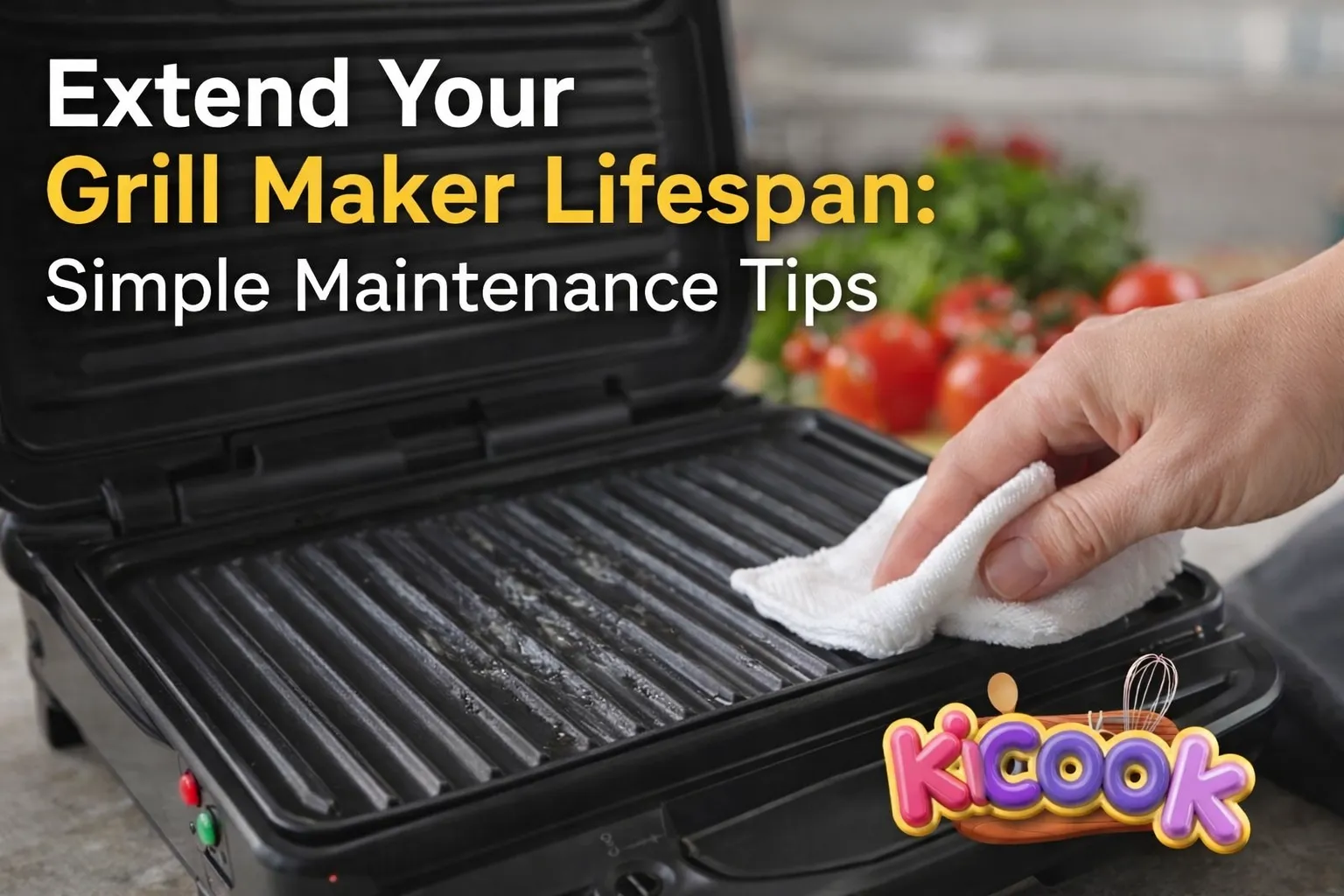
Extending your grill maker lifespan means cleaning, using, and storing it correctly to prevent damage and wear. Simple habits like regular cleaning and proper temperature use can add years to your appliance.
If your grill maker starts sticking, heating unevenly, or smelling burnt, you’re not alone. I’ve been there too thinking my appliance was “done” after just a couple of years.
After using grill makers almost daily for sandwiches, chicken, and veggies, I learned something important: most grill makers don’t fail early they’re just not maintained properly.
In this guide, I’ll show you simple, practical ways to extend your grill maker lifespan. These are easy habits you can start today, whether you’re in the USA, UK, Canada, or Australia.
Common Problems That Shorten Grill Maker Lifespan
1. Food Sticking and Burning
Why it happens:
Over time, grease and food residue build up on the plates. This damages the non-stick coating.
Simple fix you can use today:
- Clean plates after every use (once cooled slightly)
- Use a soft sponge—never metal scrubbers
- Lightly oil the surface before cooking
In places like the UK or Canada, where people often cook indoors during colder months, frequent use without cleaning makes this worse.
Key takeaway: A clean surface protects the non-stick coating and prevents permanent damage.
2. Uneven Heating or Cold Spots
Why it happens:
Crumbs and grease can block heat distribution. Also, overheating the grill regularly weakens internal components.
Practical solution:
- Avoid using maximum heat every time
- Preheat for 3–5 minutes only
- Check for buildup near hinges or edges
In the USA and Australia, where larger meals are common, overloading the grill often causes uneven cooking.
3. Electrical Issues or Sudden Shutdown
Why it happens:
Loose cords, moisture exposure, or overheating can damage internal wiring.
What you can do:
- Always unplug after use
- Keep the cord dry and untangled
- Let the grill cool fully before storing
According to the U.S. Consumer Product Safety Commission, small appliance misuse is a leading cause of kitchen electrical faults. You can review their safety guidance at the official site of the Consumer Product Safety Commission.
Key takeaway: Simple electrical care can prevent costly repairs or replacements.
Daily Habits That Extend Your Grill Maker Lifespan
Clean After Every Use (The Right Way)
I used to skip cleaning after “quick meals.” That mistake cost me one grill maker.
Here’s what works best:
- Let the grill cool slightly (not fully cold)
- Wipe with a damp cloth or sponge
- Remove stuck bits gently with a wooden spatula
Never soak the grill or pour water directly on it.
“Regular cleaning is the single most effective way to extend appliance life.” — Melissa Maker, Cleaning Expert & Author
Use the Right Cooking Tools
Metal utensils scratch the surface fast.
Instead, use:
- Silicone spatulas
- Wooden tools
- Heat-resistant plastic
Real example:
A friend in Australia used a fork on his grill for steaks. Within months, the coating peeled off.
Key takeaway: Protect the coating, and your grill will last years longer.
Avoid Overloading the Grill
It’s tempting to cook everything at once. I’ve done it too.
But overloading:
- Blocks heat flow
- Strains hinges
- Causes uneven cooking
Instead:
- Cook in batches
- Leave space between food items
Deep Cleaning Routine (Weekly or Monthly)
When Should You Deep Clean?
- Daily users (families): once a week
- Occasional users: once a month
Step-by-Step Deep Cleaning
- Unplug and cool the grill completely
- Remove detachable plates (if available)
- Wash with warm soapy water
- Clean edges and drip tray
- Dry completely before reassembling
“Appliances last longer when users remove grease buildup regularly, especially in high-heat cooking devices.” — Dr. Lisa Daniels, Home Appliance Researcher
Don’t Forget the Drip Tray
Many people ignore this.
But a full drip tray:
- Causes smoke
- Creates bad smells
- Affects performance
Quick habit: Empty it after every oily meal.
Smart Usage Tips Most People Ignore
Use Medium Heat Most of the Time
High heat is not always better.
- Medium heat protects internal parts
- Prevents coating damage
- Cooks food evenly
In Canada and the UK, where electricity costs are higher, this also helps save energy.
Preheat Properly (But Not Too Long)
Over-preheating stresses the heating element.
Best practice:
- Preheat for 3–5 minutes
- Avoid leaving it on empty for long
Store Your Grill Maker Safely
After cooking, many people just shove it into a cabinet.
Better approach:
- Let it cool fully
- Store in a dry place
- Wrap the cord loosely
Key takeaway: Storage habits matter just as much as cleaning.
Signs Your Grill Maker Needs Attention
If you notice these signs, act quickly:
- Food sticking more than usual
- Burning smell during use
- Longer heating time
- Visible scratches on plates
“Small warning signs often appear months before appliance failure—users just ignore them.” — James Clearfield, Appliance Repair Technician
Choosing the Right Accessories for Longevity
Use Baking Paper or Grill Liners
This is one of my favorite tricks.
Benefits:
- Reduces mess
- Protects coating
- Speeds up cleaning
Light Oil Instead of Heavy Grease
Too much oil:
- Builds residue
- Causes smoke
- Shortens lifespan
Use a brush or spray for control.
Real-Life Example: What Changed My Results
A few years ago, my grill maker barely lasted 18 months. I thought that was normal.
Then I changed just three habits:
- Cleaned after every use
- Stopped using metal utensils
- Reduced heat levels
My current grill maker is over 3 years old and still works like new.
That’s when I realized: maintenance matters more than brand.
Frequently Asked Questions
How long should a grill maker last?
A good grill maker can last 3–5 years or more with proper care. Poor maintenance can reduce this to under 2 years.
Can I wash grill plates with water?
Yes, if they are removable. Always dry them fully before reattaching to avoid electrical issues.
Why does my grill maker smoke?
Smoke usually comes from grease buildup or a full drip tray. Clean both areas to fix the problem.
Is it safe to use metal utensils?
No. Metal tools scratch the non-stick coating and shorten the grill’s lifespan.
How often should I deep clean my grill maker?
Once a week for frequent use, or once a month for occasional use. Regular cleaning prevents long-term damage.
Final Thoughts
If you remember just three things, make it these:
- Clean your grill maker after every use
- Avoid high heat and overloading
- Handle the non-stick surface with care
These small habits can easily double your grill maker’s lifespan.
I’ve seen the difference myself. With just a little care, your grill maker can stay reliable for years—saving you money and frustration. Start today, and your future self will thank you every time you cook.

“I believe great cooking starts with the right tools, trusted advice, and a little confidence in the kitchen.”
Hi, I’m Emma Carter. My love for cooking began in my grandmother’s kitchen, where I learned that every great meal starts with simple ingredients and the right cookware. Over the years, I’ve spent countless hours researching, testing, and comparing kitchen appliances, cookware, coffee makers, air fryers, and other everyday kitchen essentials.
Here at KiCook, my goal is to make your buying decisions easier with honest product reviews, practical buying guides, and easy-to-follow cooking tips. Whether you’re upgrading your kitchen or searching for the best appliance for your home, I focus on providing clear, reliable, and research-backed information you can trust.
When I’m not testing new kitchen gadgets or writing in-depth guides, you’ll usually find me trying new recipes, visiting local farmers’ markets, or enjoying a quiet cup of coffee while planning my next kitchen project.