
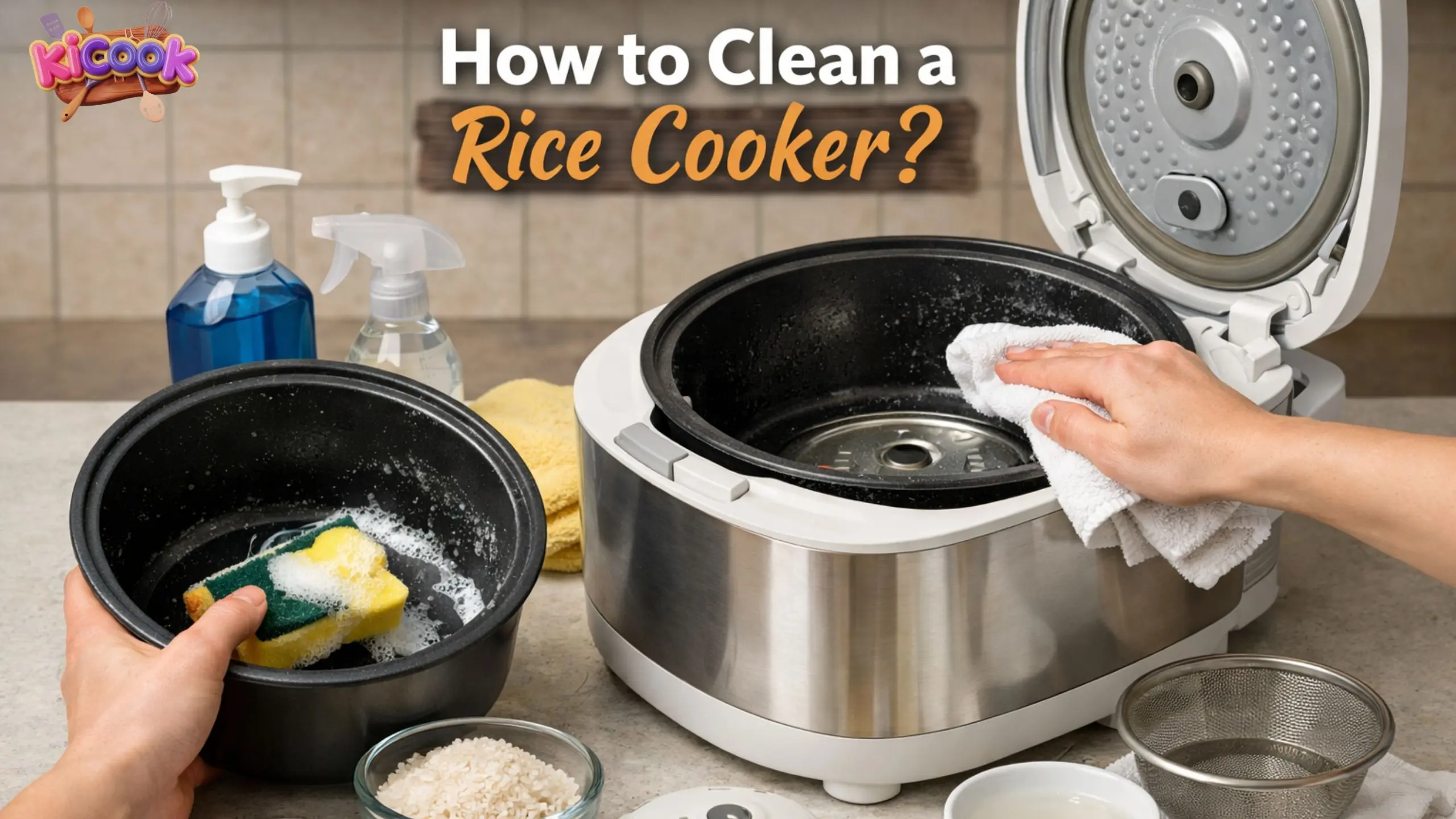
You love the convenience of your rice cooker, but have you ever stopped to think about how clean it really is? If you want your rice to taste fresh every time and your appliance to last longer, knowing how to clean a rice cooker properly is a must.
You don’t need fancy tools or harsh chemicals, just a few simple steps that anyone can follow. Keep reading, and you’ll discover easy, effective ways to keep your rice cooker sparkling clean and performing at its best. Don’t let hidden grime or stuck-on residue ruin your next meal!
Prepare The Cooker
Before cleaning your rice cooker, you must prepare it properly. This step makes cleaning easier and safer. Preparing the cooker helps protect its parts and avoids accidents. Follow these simple actions to get your rice cooker ready for cleaning.
Unplug And Cool Down
Always unplug the rice cooker from the power source first. This prevents any risk of electric shock. Let the cooker cool down completely before cleaning. The inner pot and heating plate can be very hot after use. Cooling avoids burns and damage to the cooker.
Remove Accessories
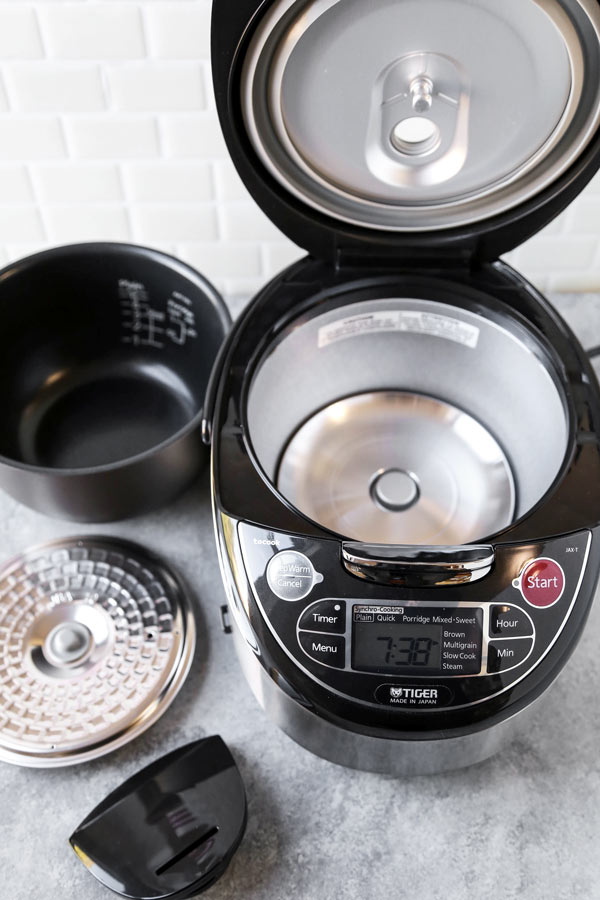
Take out all removable parts such as the inner pot, steam basket, and lid. These parts can be cleaned separately with warm water and mild detergent. Removing accessories makes it easier to clean the cooker’s main body. Check the user manual to see which parts can be detached safely.
:max_bytes(150000):strip_icc()/how-to-clean-a-rice-cooker-6831640-06-389c82e3ac0e4dbc868ff32ea40ff6bb.jpg)
Credit: www.thespruce.com
Clean The Inner Pot
The inner pot is the heart of your rice cooker. Keeping it clean ensures better tasting rice and prolongs the cooker’s life. Dirt or residue left behind can affect the cooking process and flavor. Follow these simple steps to clean the inner pot effectively.
Hand Wash With Soapy Water
Use warm water and mild dish soap to wash the inner pot. Gently scrub using a soft sponge or cloth. Avoid harsh cleaners that can damage the pot’s surface. Rinse thoroughly to remove all soap residues. Dry with a clean towel before placing it back.
Soak For Stubborn Residue
For tough, stuck-on rice, fill the pot with warm soapy water. Let it soak for 15 to 30 minutes. This softens the residue, making it easier to remove. After soaking, scrub gently to lift off any remaining bits. Rinse well and dry completely.
Avoid Abrasive Sponges
Never use steel wool or abrasive pads on the inner pot. These can scratch and damage the non-stick coating. Damage leads to food sticking and harder cleaning next time. Stick to soft sponges or cloths for safe cleaning. This keeps your rice cooker in top shape longer.
Wash The Inner Lid And Steam Vent
Cleaning the inner lid and steam vent keeps your rice cooker working well. These parts collect moisture and food bits during cooking. Regular cleaning stops smells and helps the cooker last longer. Follow simple steps for a fresh and clean cooker every time.
Detach And Rinse Lid
First, remove the inner lid carefully. Most lids snap off easily. Rinse the lid under warm water to wash away loose rice and dirt. Use a soft cloth or sponge to clean the lid surface. Avoid harsh scrubbing to prevent damage. Dry the lid completely before placing it back.
Use Brush For Steam Vent
The steam vent can get clogged with starch and steam residue. Use a small brush or toothbrush to clean inside the vent. Gently scrub to remove buildup and keep air flowing freely. Rinse the vent with water to clear loosened debris. Check that the vent is dry before reassembling the cooker.
Credit: www.tiger-corporation.com
Wipe The Exterior
Wiping the exterior of your rice cooker keeps it clean and fresh. Dirt and food splashes can build up outside. This part needs gentle cleaning to avoid damage. Regular wiping prevents stains and keeps the cooker looking new.
Use Damp Cloth
Take a soft cloth and wet it with warm water. Wring out the cloth to remove extra water. Gently wipe the rice cooker’s outer surface. Avoid soaking the cloth too much to prevent water from entering the cooker. Focus on dirty spots and greasy areas. Dry the surface with a clean, dry cloth after wiping.
Clean Heating Plate Carefully
The heating plate is inside the cooker’s base. It gets dirty from spilled rice and water. Use a damp cloth to clean the plate gently. Do not use harsh scrubbers or sharp tools. Dry the heating plate completely before using the cooker again. Keeping this part clean helps the cooker work well and safely.
Empty And Clean Condensation Collector
The condensation collector is a small but important part of your rice cooker. It catches excess water that forms during cooking. Emptying and cleaning it regularly keeps your rice cooker working well. It also prevents mold and bad smells from building up.
Cleaning the condensation collector is simple. You do not need special tools. Just follow these steps to keep it clean and dry after every use.
Locate The Condensation Collector
Find the condensation collector on the side or back of the rice cooker. It looks like a small container or tray. Check your rice cooker manual if you cannot find it.
Remove The Collector Carefully
Gently pull the collector out of its slot. Avoid using force to prevent damage. Some models have a clip or button to release it easily.
Empty The Water
Pour out any water or moisture inside the collector. Use a paper towel to soak up leftover drops. Make sure it is completely empty before cleaning.
Wash The Collector
Wash the collector with warm water and mild dish soap. Use a soft sponge or cloth to remove dirt. Rinse it well to remove all soap residue.
Dry The Collector Thoroughly
Use a clean towel to dry the collector. Let it air dry for a few minutes before putting it back. A dry collector prevents mold and keeps your cooker fresh.
Reattach The Collector
Slide the dry collector back into its place. Ensure it fits securely to avoid leaks. Your rice cooker is now ready for the next use.

Credit: www.wikihow.com
Remove Odors And Deep Clean
Removing odors and deep cleaning your rice cooker keeps it fresh and working well. Over time, rice cookers can hold smells from cooked food. Dirt and residue build up in hard-to-reach places. Deep cleaning helps remove these odors and keeps the cooker hygienic. It also improves the taste of your rice. Use simple household items to clean your rice cooker effectively.
Use Vinegar And Water Solution
Mix one part vinegar with three parts water. Pour the solution into the inner pot of the rice cooker. Turn on the cooker and let the mixture boil. This helps break down odors and stains inside. After boiling, turn off the cooker and let it cool. Once cool, wash the pot with warm water and mild soap. Wipe the lid and outer parts with a damp cloth. Vinegar naturally removes bad smells without harsh chemicals.
Run Short Steam Cycle
Fill the inner pot with clean water only. Close the lid and start the steam cycle. Let the cooker run for 10 to 15 minutes. The steam loosens stuck food and kills bacteria inside. After the cycle finishes, open the lid carefully. Wipe the inside with a clean cloth or sponge. Repeat if needed to clear remaining odors. This method cleans parts hard to reach by hand.
Dry All Parts Thoroughly
Drying all parts of your rice cooker thoroughly is a key step in its cleaning process. Moisture left on any component can cause mold, bad smells, and damage over time.
Each part must be completely dry before reassembling or storing the cooker. This prevents rust and keeps your appliance safe to use.
Use A Clean, Dry Cloth
After washing, wipe each part with a clean, dry cloth. Use a soft cloth to avoid scratches.
Focus on corners and edges where water can hide. Make sure the inner pot, lid, and steam vent are all dry.
Air Dry In A Well-ventilated Area
Place the parts on a drying rack in a room with good airflow. Avoid humid or closed spaces.
Let the parts air dry completely for at least a few hours. This helps any hidden moisture evaporate.
Check For Moisture Before Reassembly
Before putting the rice cooker back together, check each part carefully. Look for water drops or damp spots.
Only reassemble when all parts feel dry to the touch. This avoids damage to the electrical parts inside the cooker.
Regular Maintenance Tips
Regular maintenance keeps your rice cooker working well and lasting longer. Small daily care prevents dirt build-up and bad smells. Clean parts often to keep your rice cooker fresh and safe to use.
Clean After Each Use
Always wash the inner pot right after cooking. Use warm water and mild soap. A soft sponge works best to avoid scratches. Dry the pot fully before putting it away. Wipe the lid and outer parts with a damp cloth.
Check For Build-up
Look inside the rice cooker for stuck rice or stains. Remove any residue with a soft brush or cloth. Clean the steam vent regularly to stop clogging. Check the rubber gasket for dirt and clean it carefully. This keeps the cooker safe and working well.
Store Properly
Keep your rice cooker in a dry place with the lid open. This stops moisture and mold from forming inside. Avoid stacking heavy items on top. Store all parts separately if possible. Proper storage helps your rice cooker stay clean and ready to use.
Frequently Asked Questions
How Do I Clean The Inside Of My Rice Cooker?
Unplug and cool the rice cooker first. Hand-wash the inner pot with warm, soapy water using a soft sponge. Soak stubborn residue before scrubbing. Wipe the lid and exterior with a damp cloth. Empty and clean the condensation collector regularly.
Avoid abrasive tools to protect non-stick surfaces.
How To Clean A Dirty Rice Cooker?
Unplug and cool the rice cooker. Wash the inner pot and lid with warm, soapy water using a soft sponge. Soak stubborn residue. Wipe the exterior with a damp cloth. Empty and clean the condensation collector regularly. Avoid abrasive cleaners to protect non-stick surfaces.
Can I Use Vinegar To Clean A Rice Cooker?
Yes, you can use vinegar to clean a rice cooker. Mix one cup vinegar with three cups water. Boil this solution inside the cooker to remove odors and residue. Let it cool, then rinse thoroughly. Avoid using vinegar on electrical parts.
Are You Supposed To Wash A Rice Cooker?
Yes, wash your rice cooker after each use. Unplug and cool it first. Hand-wash the inner pot and lid with warm, soapy water. Avoid abrasive sponges to protect the non-stick surface. Wipe the exterior with a damp cloth and empty the condensation collector regularly.
Conclusion
Cleaning your rice cooker keeps it working well and lasts longer. Always remove and wash the inner pot after use. Wipe the lid and outer parts with a damp cloth. Use mild soap and avoid harsh scrubbing to protect the surface.
Regular cleaning stops bad smells and stuck rice. Taking simple steps after cooking makes cleaning quick and easy. This care helps you enjoy perfect rice every time. Keep your rice cooker fresh and ready for the next meal.

“I believe great cooking starts with the right tools, trusted advice, and a little confidence in the kitchen.”
Hi, I’m Emma Carter. My love for cooking began in my grandmother’s kitchen, where I learned that every great meal starts with simple ingredients and the right cookware. Over the years, I’ve spent countless hours researching, testing, and comparing kitchen appliances, cookware, coffee makers, air fryers, and other everyday kitchen essentials.
Here at KiCook, my goal is to make your buying decisions easier with honest product reviews, practical buying guides, and easy-to-follow cooking tips. Whether you’re upgrading your kitchen or searching for the best appliance for your home, I focus on providing clear, reliable, and research-backed information you can trust.
When I’m not testing new kitchen gadgets or writing in-depth guides, you’ll usually find me trying new recipes, visiting local farmers’ markets, or enjoying a quiet cup of coffee while planning my next kitchen project.