Yes, you can put water in a crock pot — but how much matters more than most people realize.
Add too much and your meal turns bland and watery. Add too little and the edges dry out or burn. Most slow cooker failures come down to one thing: wrong liquid levels. Here’s exactly what you need to know, for roasts, soups, chicken, vegetables, and everything in between.
Why Crock Pot Liquid Rules Matter
Slow cookers work differently than ovens and stovetops. They use low, steady heat combined with a sealed lid that traps steam and moisture inside the cooking vessel.
Because moisture remains inside the pot, ingredients naturally release liquid as they cook. Meat, vegetables, and even sauces contribute moisture throughout the cooking process. This means adding excessive water can dilute flavors and create disappointing results.
Many beginners assume food must be fully submerged in water to cook safely. In reality, most crock pot recipes require only a small amount of liquid. For example, a beef roast may need just one cup of broth rather than several cups of water.
Following proper crock pot liquid rules helps:
- Preserve flavor concentration
- Improve texture
- Prevent watery meals
- Reduce cooking mistakes
- Enhance food safety
- Produce more consistent results
According to kitchen experts, one of the most common reasons slow cooker meals fail is using too much liquid rather than too little.
Understanding how moisture behaves inside a slow cooker allows you to create richer, more flavorful meals with less effort.
How Much Water Should You Put in a Crock Pot?
The general rule: fill your crock pot between half and two-thirds full and use less liquid than you think you need.
Here’s a quick breakdown by dish type:
| Dish Type | Recommended Liquid |
|---|---|
| Pot Roast | ½ to 1 cup broth |
| Chicken Breast | ¼ to ½ cup liquid |
| Soups & Stews | Enough to cover ingredients |
| Vegetables | Little to none needed |
| Pasta Dishes | Follow recipe exactly |
Why so little? Slow cookers trap steam inside. Unlike a stovetop, almost no moisture escapes. Meat and vegetables also release their own juices — so what looks dry at the start is usually perfect after 6–8 hours.
Step-by-Step Guide
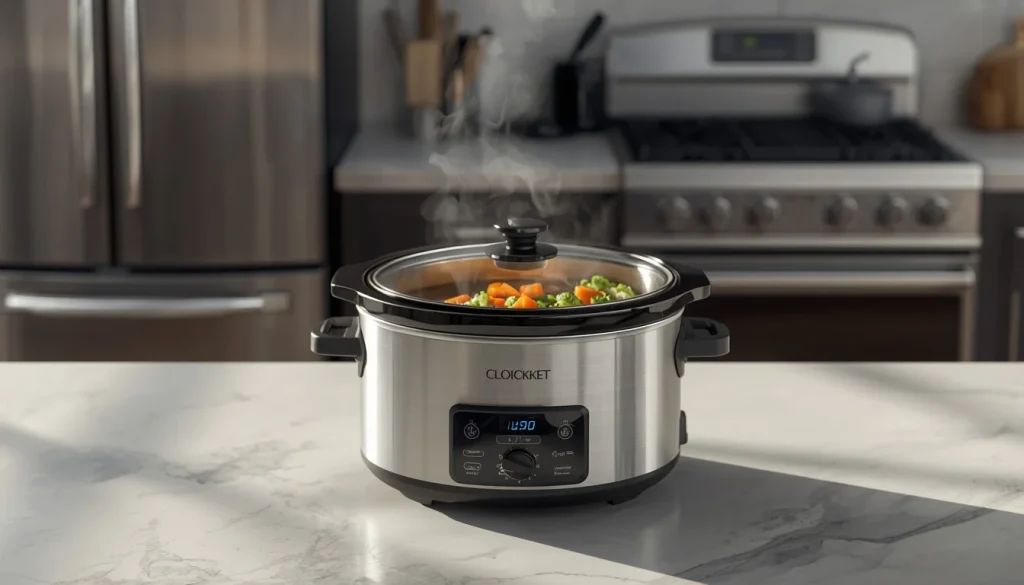
Follow these simple steps whenever using water in a crock pot.
- Read the recipe completely before starting.
- Determine whether the dish is a soup, stew, roast, or casserole.
- Measure liquid carefully. Use a measuring cup every time. Guessing is the #1 reason slow cooker meals end up watery or dry.
- Use broth for extra flavor whenever possible.
- Fill between half and two-thirds full. Below half = risk of burning. Above two-thirds = overflow and uneven cooking.
- Avoid lifting the lid frequently during cooking.
- Check in the final 30–60 minutes. This is your adjustment window. Too much liquid? Remove the lid and let it reduce. Too thick? Add ¼ cup of warm broth at a time.
- Adjust thickness by adding a slurry or removing excess liquid if necessary.
For meat dishes, remember that proteins release juices as they cook. What appears to be too little liquid at the start often becomes the perfect amount after several hours.
For vegetables, especially onions and tomatoes, expect significant moisture release. This is why experienced cooks often use less water than beginners.
Following these steps helps maintain flavor, texture, and cooking efficiency while avoiding common slow cooker frustrations.
Expert Tips & Common Mistakes
Proper use of water in crock pot recipes can make a major difference.
Pro Tips
- Use low-sodium broth for better seasoning control.
- Measure liquids accurately instead of guessing.
- Layer vegetables on the bottom for even cooking.
- Choose moisture-rich ingredients strategically to reduce added water.
- Invest in modern smart appliances for improved consistency.
Common Mistakes to Avoid
- Adding too much water. This is the most frequent slow cooker mistake.
- Removing the lid repeatedly. Every peek releases heat and moisture.
- Ignoring ingredient moisture levels. Tomatoes and onions release significant liquid.
- Overfilling the crock pot. This can affect cooking performance and safety.
For example, a pot roast may seem dry before cooking begins. However, after six to eight hours, the meat often produces enough liquid to create a flavorful cooking environment without requiring large amounts of water.
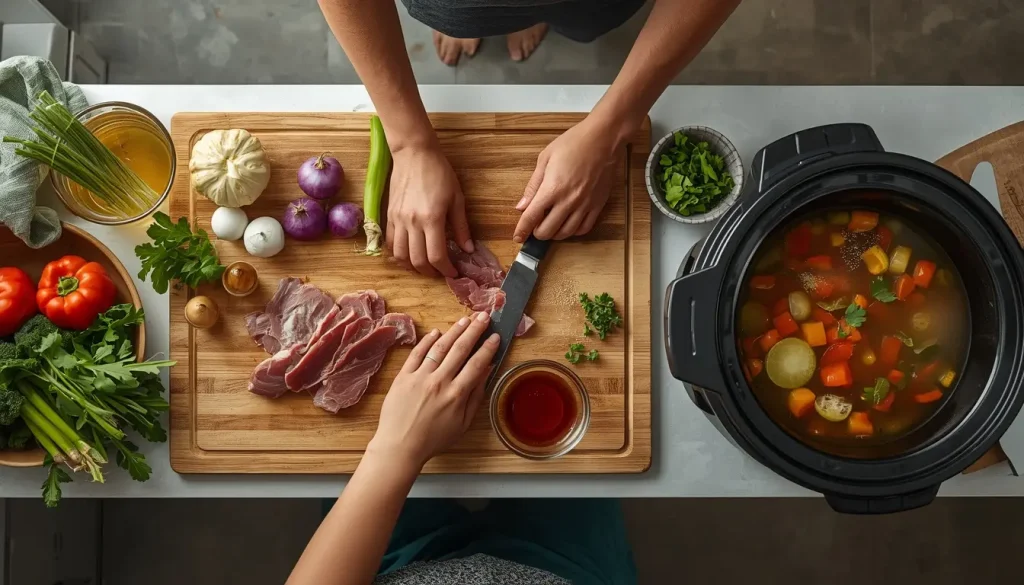
Kitchen organization also plays a role. Using proper measuring tools and planning ingredients ahead of time improves consistency and reduces mistakes.
Modern cooking trends in 2026 increasingly focus on precision cooking, smart appliances, and reducing food waste. Understanding crock pot liquid rules aligns perfectly with these goals.
FAQs
Can you put water in a crock pot without a recipe?
Yes. A safe starting point is ½ cup of water or broth for most meat dishes. Add more only if the recipe specifically calls for it.
Can I use water instead of broth in a slow cooker?
You can, but broth adds significantly more flavor. If using water, add extra seasoning garlic, herbs, or a bouillon cube to compensate.
Do I need to add water to a crock pot for chicken?
Not always. Chicken releases a lot of natural juices. A quarter cup of broth or water is usually enough to prevent sticking and keep moisture balanced.
Can you put too much water in a crock pot?
Yes. Too much water is the most common slow cooker mistake.
It dilutes flavor, makes sauces watery, and can cause vegetables
to turn mushy.
Should water cover the meat in a crock pot?
No. Meat does not need to be submerged. In fact, keeping it partially above the liquid often produces better texture and more concentrated flavor.
Conclusion
So, can you put water in a crock pot? Absolutely. The key is understanding that slow cookers retain moisture extremely well. Most recipes require some liquid, but far less than many people expect. Knowing when to use water, broth, or other liquids can dramatically improve flavor, texture, and overall cooking success.
By following proper crock pot liquid rules, accounting for ingredient moisture, and avoiding common mistakes, you can create delicious meals with confidence. Whether you’re preparing soups, stews, roasts, or vegetables, the right amount of liquid makes all the difference.
Try these kitchen tips today and you’ll quickly discover why mastering slow cooker liquid management is one of the easiest ways to improve your home cooking results.
Master your liquid levels and your slow cooker will become the most reliable tool in your kitchen.
For more expert guidance, visit Serious Eats—one of the most trusted resources for kitchen techniques, tested recipes, and food science. Their article on understanding how braising liquids work in slow-cooked dishes provides valuable insight into achieving better flavor and texture when cooking with moisture and heat.

“I believe great cooking starts with the right tools, trusted advice, and a little confidence in the kitchen.”
Hi, I’m Emma Carter. My love for cooking began in my grandmother’s kitchen, where I learned that every great meal starts with simple ingredients and the right cookware. Over the years, I’ve spent countless hours researching, testing, and comparing kitchen appliances, cookware, coffee makers, air fryers, and other everyday kitchen essentials.
Here at KiCook, my goal is to make your buying decisions easier with honest product reviews, practical buying guides, and easy-to-follow cooking tips. Whether you’re upgrading your kitchen or searching for the best appliance for your home, I focus on providing clear, reliable, and research-backed information you can trust.
When I’m not testing new kitchen gadgets or writing in-depth guides, you’ll usually find me trying new recipes, visiting local farmers’ markets, or enjoying a quiet cup of coffee while planning my next kitchen project.