
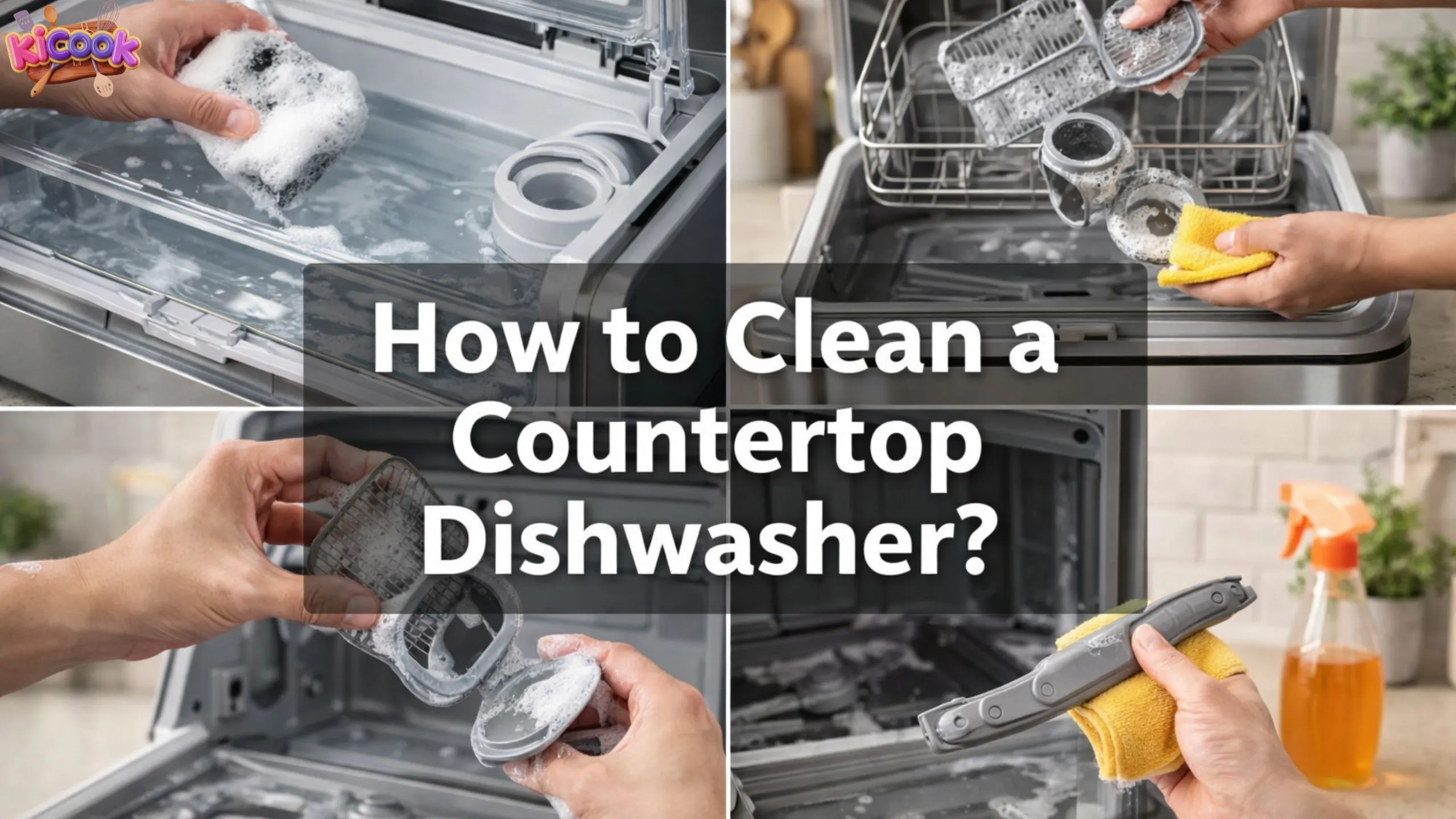
To clean a countertop dishwasher, I remove and wash the filter, wipe the interior with warm vinegar water, and run an empty hot cycle with vinegar or citric acid. This keeps odors away and helps dishes come out cleaner. The main caution is not to use harsh cleaners or bleach, which can damage seals and internal parts.
If your countertop dishwasher starts to smell, leaves spots on glasses, or feels less powerful than before, cleaning is usually the missing step. Many people think these small dishwashers clean themselves, but that’s not fully true. I learned this the hard way after noticing cloudy plates and a sour smell every time I opened the door.
After using and testing countertop dishwashers for a long time, I realized regular cleaning makes a huge difference in performance and lifespan. In this guide, I’ll share exactly how I clean my countertop dishwasher, what tools I use, and which mistakes I avoid. By the end, you’ll know how to keep yours fresh, efficient, and safe to use.
Why This Topic Actually Matters
Most people struggle with countertop dishwasher cleaning for three reasons:
- They assume “small dishwasher = low maintenance”
- They don’t know there is a removable filter
- They only clean when problems appear
When a dishwasher is not cleaned, grease, food bits, and mineral deposits build up fast. This can cause bad smells, poor washing results, and even bacteria growth.
I’ve also seen people use strong chemicals thinking it will clean better. In reality, this can damage rubber seals and spray arms. Cleaning the right way saves water, energy, and future repair costs.
My Real Experience / Observation
From my own use, I noticed performance drops after about 3–4 weeks without cleaning. The spray felt weaker, and glasses looked dull. Once I started a simple monthly routine, the difference was clear.
What worked:
- Vinegar for smell and grease
- Soft brush for filter cleaning
- Quick wipe after heavy loads
What didn’t work:
- Dish soap inside the machine
- Skipping the filter
- Overusing descaling chemicals
A small habit change gave me consistently clean dishes again.
Step-by-Step: How I Clean a Countertop Dishwasher
1. Unplug and Empty the Dishwasher
Always start by unplugging the unit. Remove all dishes and racks.
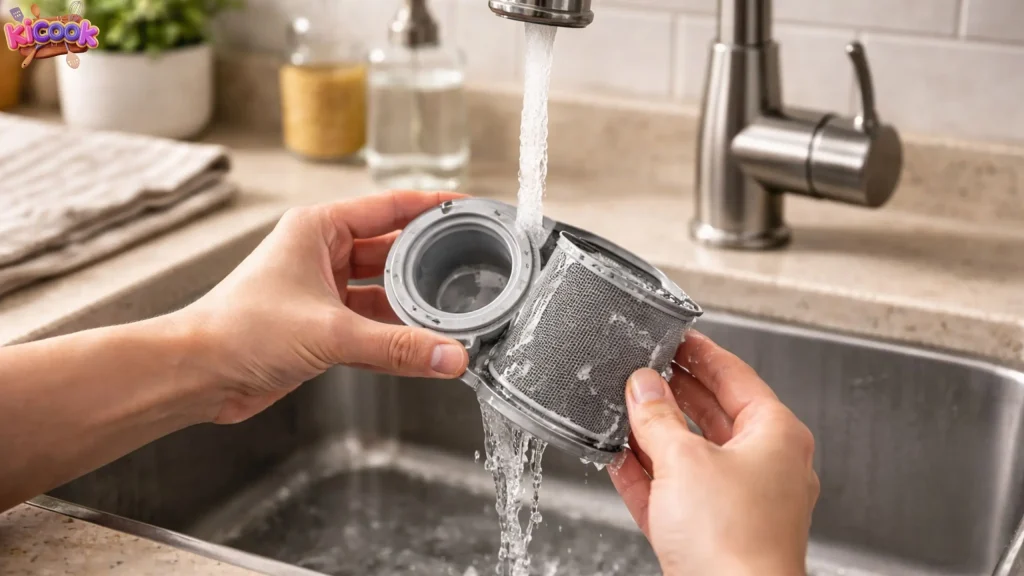
2. Remove and Clean the Filter
Most countertop dishwashers have a filter at the bottom.
- Twist or lift it out
- Rinse under warm water
- Use a soft brush for stuck food
This step alone improves cleaning power a lot.
3. Wipe the Interior
I mix warm water with white vinegar and wipe:
- Door edges
- Rubber seals
- Walls and bottom
This removes grease and light scale.
4. Clean the Spray Arms
Check spray holes for blockage.
- Use a toothpick or soft brush
- Rinse under running water
5. Run a Cleaning Cycle
Place one cup of white vinegar in a bowl on the top rack and run a hot cycle.
According to Consumer Reports, vinegar helps break down grease and mineral buildup when used correctly in dishwashers.
6. Optional: Baking Soda Freshening
For odor issues, sprinkle baking soda on the bottom and run a short hot cycle.
How Often Should You Clean a Countertop Dishwasher?
From my experience:
| Task | Frequency |
|---|---|
| Filter cleaning | Weekly |
| Interior wipe | Every 2–3 weeks |
| Vinegar cycle | Monthly |
| Deep cleaning | Every 3 months |
If you’re new to these machines, understanding how a countertop dishwasher works makes cleaning steps clearer and easier.
Why Vinegar Works (And When It Doesn’t)
“Mineral deposits from hard water are one of the most common causes of dishwasher performance loss,” says John Galeotafiore, appliance expert at Consumer Reports.
Vinegar works well for:
- Odors
- Grease
- Light limescale
But it should not be used daily. Overuse may weaken rubber parts over time.
For hard water homes, the U.S. Environmental Protection Agency (EPA) explains how mineral buildup affects appliances and water efficiency.
Pros & Cons of Regular Cleaning
| Pros | Cons |
|---|---|
| Better cleaning results | Takes 15–20 minutes |
| No bad smell | Needs consistency |
| Longer dishwasher life | Vinegar smell during cycle |
| Saves repair cost |
My Honest Take After Researching This
I strongly believe regular cleaning is not optional, it’s essential. The biggest mistake is waiting until the dishwasher smells or stops cleaning well. My caution is to avoid harsh cleaners and bleach. My clear recommendation: clean the filter weekly and run a vinegar cycle once a month.
Common Mistakes to Avoid
- Ignoring the filter – This causes weak water spray
- Using bleach – Damages seals and plastic
- Overloading dishes – Blocks spray arms
- Never wiping seals – Leads to mold
- Running cold cycles only – Doesn’t break grease
Who This Is Best For / Not Ideal For
Best for:
- Small kitchens
- Apartments and rentals
- RV or dorm users
- People without built-in dishwashers
Not ideal for:
- Large families
- Heavy daily dish loads
- Users who never want maintenance
If you’re unsure whether this type fits your lifestyle, see are countertop dishwashers worth it for a deeper comparison.
FAQs for How to Clean a Countertop Dishwasher
Can I use dish soap to clean my countertop dishwasher?
No. Dish soap causes too much foam and can damage the unit.
Is vinegar safe for countertop dishwashers?
Yes, when used monthly and not daily.
Why does my dishwasher still smell after cleaning?
Check the drain area and door seals again.
Do I need a special cleaner?
Usually no. Vinegar and baking soda are enough.
How long does cleaning take?
About 20 minutes, including the cycle.
Conclusion
Cleaning a countertop dishwasher is simple, but it makes a big difference. From my experience, a clean machine washes better, smells fresh, and lasts longer. You don’t need special tools or strong chemicals, just a little consistency. Treat it like any kitchen tool you rely on, and it will return the favor every day.

“I believe great cooking starts with the right tools, trusted advice, and a little confidence in the kitchen.”
Hi, I’m Emma Carter. My love for cooking began in my grandmother’s kitchen, where I learned that every great meal starts with simple ingredients and the right cookware. Over the years, I’ve spent countless hours researching, testing, and comparing kitchen appliances, cookware, coffee makers, air fryers, and other everyday kitchen essentials.
Here at KiCook, my goal is to make your buying decisions easier with honest product reviews, practical buying guides, and easy-to-follow cooking tips. Whether you’re upgrading your kitchen or searching for the best appliance for your home, I focus on providing clear, reliable, and research-backed information you can trust.
When I’m not testing new kitchen gadgets or writing in-depth guides, you’ll usually find me trying new recipes, visiting local farmers’ markets, or enjoying a quiet cup of coffee while planning my next kitchen project.