
Slow cooker beans not soften due to two main reasons: the acidity of ingredients like tomatoes or vinegar, and old beans that have been stored too long. To ensure soft beans, always use fresh beans and add acidic components only after the beans are already tender.
I’ve been there: you set up your slow cooker in the morning, dreaming of a cozy dinner of tender, creamy beans, only to find them still firm and chalky hours later. It’s a letdown, especially when you’ve planned a cheap, healthy meal for your family. As someone who has cooked countless batches of beans in my slow cooker, from classic kidney beans for chili to simple pinto beans for tacos, I’ve faced this issue head-on.
Through trial, error, and chatting with other home cooks across the USA, UK, Canada, and London, I’ve learned the secrets to fixing this common problem. In this article, I’ll share my experience and the solutions that work, so you can enjoy perfectly soft beans every time. Let’s get started!
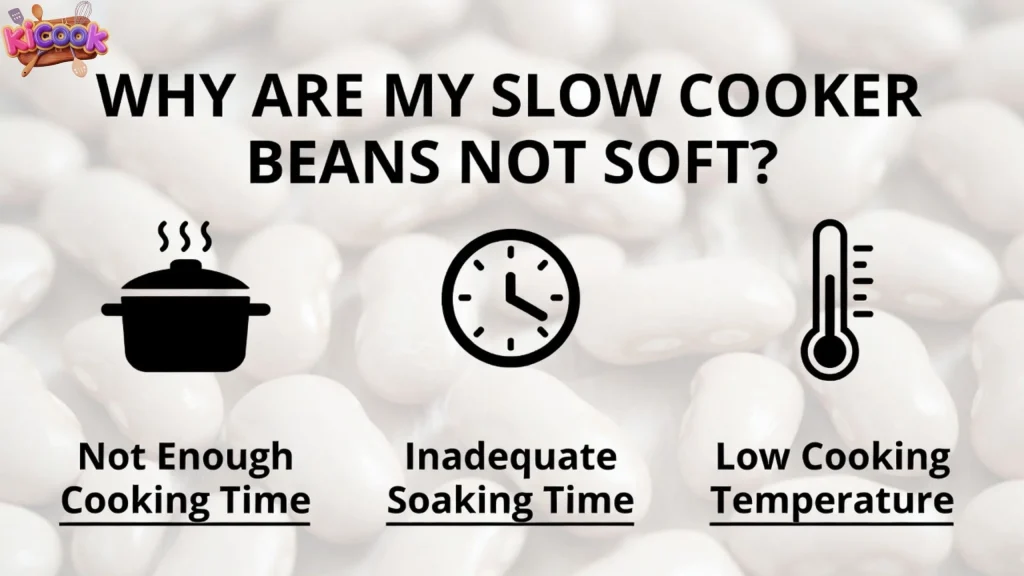
My Story with Slow Cooker Beans
I first bought a slow cooker for its convenience. As a busy person, I loved the idea of tossing in beans, water, and spices, then coming home to a ready meal. But my early attempts were disappointing. The beans were often hard, no matter how long I cooked them. I wondered if my slow cooker was broken or if I was doing something wrong.
After some research and kitchen tests, I realized that bean softening isn’t just about time; it’s about science. Now, I want to help you avoid the frustration I felt. Whether you’re a vegetarian seeking protein-packed meals or a parent looking for easy batch cooking, this guide is for you.
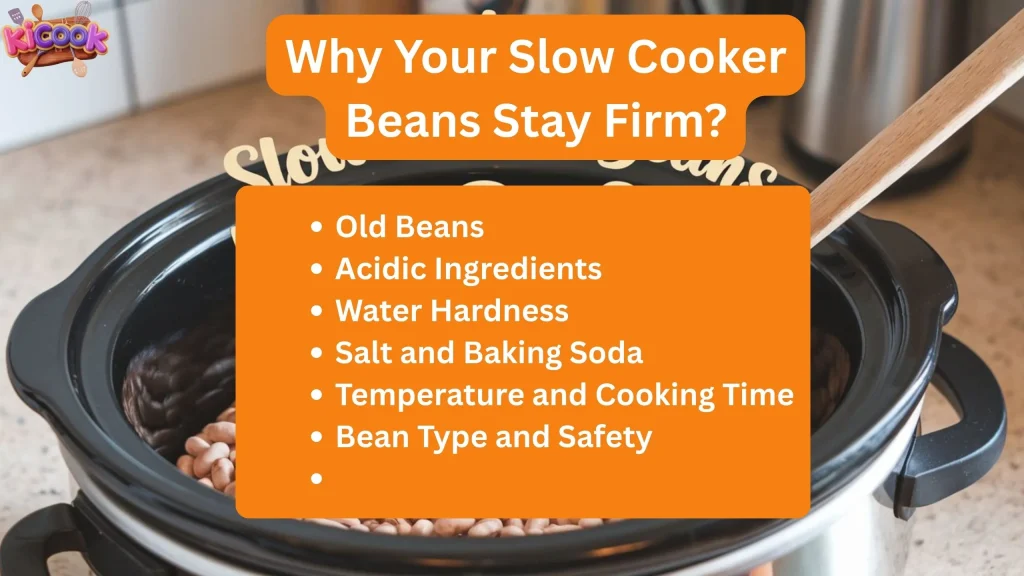
Why Your Slow Cooker Beans Stay Firm: The Main Culprits
Understanding why beans stay firm is the first step to solving the problem. Here are the key factors I’ve identified:
- Old Beans: Beans lose moisture over time. If they’ve been in your pantry for years, they may never soften fully. Always check the packaging date or buy from stores with high turnover. In my experience, beans older than two years are a risk for staying hard.
- Acidic Ingredients: This is a big one! Ingredients like tomatoes, vinegar, lemon juice, or molasses can prevent beans from softening. Acid strengthens the bean’s skin, so if you add them too early, your beans might stay firm. I now add these only after the beans are tender.
- Water Hardness: In areas with hard water, common in parts of the UK, USA, and Canada, high levels of calcium and magnesium can interfere with softening. If your tap water is hard, try using filtered or bottled water for cooking beans.
- Salt and Baking Soda: There’s debate about salt. I’ve found that a little salt early on doesn’t hurt, but too much can toughen beans. On the other hand, a pinch of baking soda (sodium bicarbonate) can help soften beans by balancing pH, but use it sparingly to avoid a metallic taste.
- Temperature and Cooking Time: Slow cookers vary. Some run hot, others cooler. If your setting is too low, beans may not reach the temperature needed to break down their fibers. I prefer using the high setting for beans, especially for types like kidney beans.
- Bean Type and Safety: Some beans, like red kidney beans, contain a natural toxin called phytohemagglutinin, which requires a full boil to deactivate. Slow cookers might not get hot enough to destroy this toxin, leading to both safety issues and firm beans. I always boil kidney beans for 10 minutes before adding them to the slow cooker.
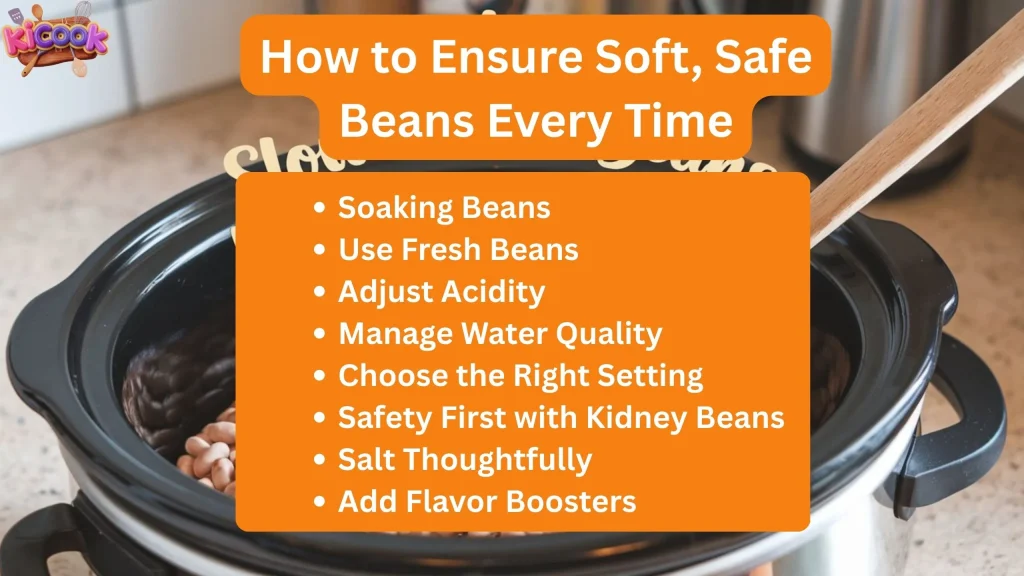
How to Ensure Soft, Safe Beans Every Time: My Tested Methods
Based on my kitchen experiments, here are my go-to methods for perfect slow cooker beans:
- Soaking Beans: I usually soak beans overnight in plenty of water. This reduces cooking time and helps them cook evenly. For a quick soak, boil them for a few minutes, then let them sit for an hour. Soaking also makes beans easier to digest.
- Use Fresh Beans: I buy beans from bulk bins or check dates on packages. Fresh beans cook faster and soften better. If you’re in London or other urban areas, look for stores that specialize in grains and legumes for the best selection.
- Adjust Acidity: I add tomatoes, vinegar, or other acidic ingredients only after the beans are soft. For recipes with tomato sauce, I cook the beans first with just water, broth, and spices, then stir in acidic components later.
- Manage Water Quality: If I suspect hard water, I use filtered water. Alternatively, adding a bit of baking soda (about 1/4 teaspoon per pound of beans) can counteract minerals, but I test this first to avoid altering flavor.
- Choose the Right Setting: For most beans, I use the high setting on my slow cooker for 4-6 hours, or until tender. If I’m cooking overnight, I opt for low but extend the time to 8-10 hours. Always check the beans periodically—different slow cooker models behave differently.
- Safety First with Kidney Beans: To avoid the toxin in kidney beans, I boil them vigorously for at least 10 minutes before transferring to the slow cooker. This ensures they’re safe and soft.
- Salt Thoughtfully: I add a teaspoon of salt after soaking or at the beginning of cooking. It seasons the beans without hindering softening, based on my tests.
- Add Flavor Boosters: Garlic, onion, and spices like cumin or bay leaves can go in early. They infuse the beans with taste without affecting texture.
Quotes from the Experts
I’m not alone in this bean journey. Here’s what others say:
“Beans are a staple in many cultures, but their preparation requires attention to detail. Acidic ingredients should always be added late in the process to avoid toughening.” — Chef Maria Gonzalez, author of Home Cooking Wisdom.
“Old beans are a common issue in home kitchens. For consistent results, source your beans from reputable suppliers and store them in a cool, dry place for no more than a year.” — Dr. Alan Smith, food scientist at the University of Toronto.
“Using a slow cooker for beans is convenient, but for types like kidney beans, a preliminary boil is non-negotiable for safety and texture.” — Sarah Jenkins, nutritionist and blogger at Healthy Eats UK.
Frequently Asked Questions for Why Are My Slow Cooker Beans Not Soft?
Can I cook beans without soaking in a slow cooker?
Yes, but soaking helps them cook evenly and reduces gas-producing compounds. Without soaking, beans may take longer and sometimes stay firm in the center.
Why did my beans turn mushy?
Overcooking or too much baking soda can cause mushiness. Check beans occasionally and avoid excess alkali.
Is it safe to cook kidney beans directly in a slow cooker?
No. Kidney beans contain a toxin that requires a full boil to destroy. Always boil them for 10 minutes before slow cooking to ensure safety and softness.
How much water should I use for slow cooker beans?
I use about 3 cups of water or broth for every cup of dried beans. The beans should be fully submerged to cook properly.
Can I add salt at the beginning?
Yes, a moderate amount of salt early on is fine and can enhance flavor. Avoid excessive salt, which can slow softening.
What’s the best bean for beginners in a slow cooker?
Pinto beans or black beans are forgiving and cook evenly. They’re great for recipes like soups and burritos.
How do I store cooked beans?
Let them cool, then store in an airtight container in the fridge for up to 5 days, or freeze for months. They’re perfect for meal prep.
Can I use a pressure cooker instead?
Yes, pressure cookers like the Instant Pot cook beans faster and often yield soft results. They’re a good alternative if you’re short on time.
Conclusion
Getting soft beans from your slow cooker is all about knowing the small details: use fresh beans, manage acidity, consider your water, and prioritize safety with certain types. I’ve shared my hard-earned tips to save you from the disappointment of firm beans.
Remember, cooking is a personal experience, feel free to adjust these methods to suit your taste and kitchen setup. Beans are a wonderful source of protein, fiber, and comfort food, and with these steps, you’ll master them in no time. Happy cooking, and enjoy your next batch of creamy, dreamy beans!
For more on food safety with beans, check out this resource from the USDA on cooking legumes. It’s a reliable guide for cooks in the USA, UK, Canada, and beyond.

“I believe great cooking starts with the right tools, trusted advice, and a little confidence in the kitchen.”
Hi, I’m Emma Carter. My love for cooking began in my grandmother’s kitchen, where I learned that every great meal starts with simple ingredients and the right cookware. Over the years, I’ve spent countless hours researching, testing, and comparing kitchen appliances, cookware, coffee makers, air fryers, and other everyday kitchen essentials.
Here at KiCook, my goal is to make your buying decisions easier with honest product reviews, practical buying guides, and easy-to-follow cooking tips. Whether you’re upgrading your kitchen or searching for the best appliance for your home, I focus on providing clear, reliable, and research-backed information you can trust.
When I’m not testing new kitchen gadgets or writing in-depth guides, you’ll usually find me trying new recipes, visiting local farmers’ markets, or enjoying a quiet cup of coffee while planning my next kitchen project.