
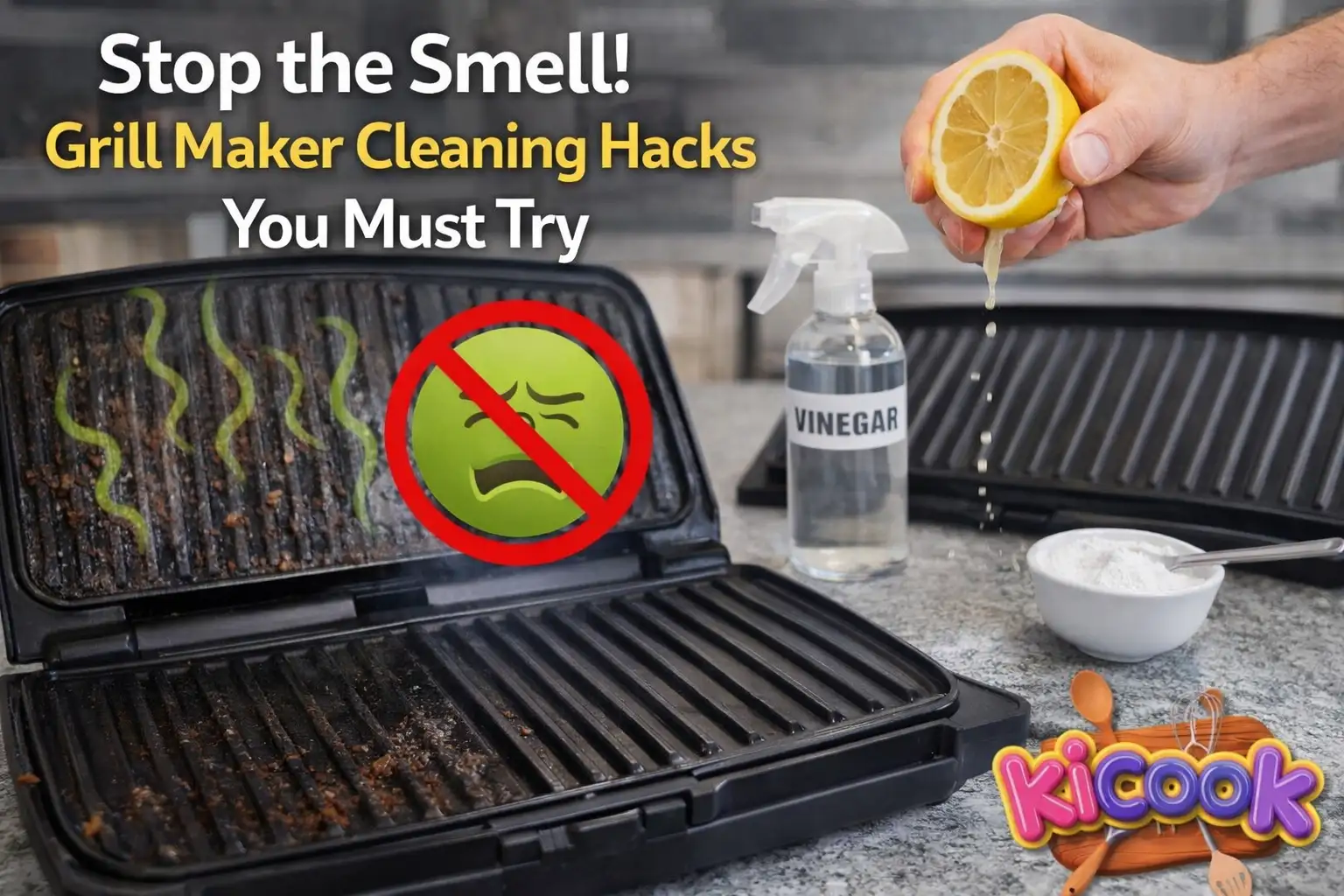
Grill maker cleaning hacks are simple, low-cost methods — using everyday items like baking soda, vinegar, and onions — to remove grease, carbon build-up, and bad odours from your grill. Keeping your grill clean is not just about smell; it protects your food, extends your grill’s life, and makes every cookout safer and tastier.
Why Does My Grill Smell So Bad — And What Can I Actually Do About It?
You fire up the grill for a Saturday cookout, and within minutes the air smells less like sizzling burgers and more like a burning dumpster. Sound familiar? If you have ever opened your grill lid and recoiled from that rancid, smoky stench, you are not alone. It is one of the most common frustrations among grill owners across the USA, UK, Canada, and Australia — and honestly, most people have no idea that the fix is easier than they think.
I have spent the better part of a decade testing grills, running backyard cookouts, and writing about outdoor cooking. I have burned my fair share of food and made every mistake you can make with a grill. What I learned is this: the smell is almost always a cleaning problem, not a broken grill problem.
In this guide, I am going to walk you through the best grill maker cleaning hacks that actually work — using ingredients you probably already have at home. By the time you finish reading, you will know exactly how to get rid of that smell, stop it from coming back, and keep your grill performing at its best all season long.
The 3 Biggest Problems Grill Owners Face (And How to Fix Them)
Before we get into the hacks, let us be honest about the real problems. These are the three complaints I hear most often — and each one has a practical solution you can use today.
The Grill Smells Rancid Even After Scrubbing
You scrub the grates, you wipe the inside down — and the smell is still there next time you light it. The reason is simple: grease does not just sit on the surface. It drips down into the drip tray, coats the burner covers, and bakes onto every surface over time. A surface wipe does nothing for old, oxidised grease.
Fix it today: Mix one cup of white vinegar with one cup of water in a spray bottle. Spray all interior surfaces generously, including under the grates. Let it sit for 10 minutes, then scrub with a ball of foil. The acid in the vinegar cuts through oxidised grease far better than soap alone. In Australia and the UK where gas BBQs see year-round use, I recommend doing this every 8–10 uses at minimum.
The Grates Are Black, Crusty, and Impossible to Clean
Cast-iron and stainless steel grates can look terrifying after a season of use. That thick, carbonised layer is not just ugly — it transfers off-flavours to your food and can harbour bacteria.
Fix it today: Cut a raw onion in half. Heat the grill to high for 10 minutes to loosen the carbon. Then rub the cut side of the onion firmly along each grate bar using tongs. The natural enzymes in the onion lift carbon and grease while leaving a clean, non-toxic surface. It is one of the oldest tricks in outdoor cooking — and it genuinely works. This is especially popular among BBQ competitors across the Southern USA and Queensland, Australia.
The Smell Comes Back After Just One or Two Cooks
You clean the grill properly, feel great about it — then two cookouts later the smell is back. This is a maintenance timing problem. Most people only clean after the problem is already serious.
Fix it today: Build a 3-minute post-cook habit. While the grill is still warm (not hot), brush the grates, close the lid, and let residual heat incinerate loose particles. Then wipe down the inside with a damp cloth when cool. This alone reduces full deep-clean frequency by around 70%.
Grill Maker Cleaning Hacks That Actually Work
Now let us get into the good stuff. These are the methods I have personally tested and recommended for years. They are cheap, safe, and surprisingly effective.
The Baking Soda Paste Method
Baking soda is one of the most underrated cleaning agents you own. It is mildly abrasive, odour-neutralising, and completely safe around food surfaces — something a lot of chemical grill cleaners cannot claim.
- Remove the grates from the grill and lay them on an old towel or newspaper.
- Mix three tablespoons of baking soda with enough dish soap to form a thick paste.
- Apply the paste generously to all grimy surfaces using an old brush or cloth.
- Let it sit for 20 minutes — longer for heavy build-up.
- Scrub with a stiff brush, then rinse thoroughly with warm water.
- Dry completely before replacing to prevent rust.
This method works exceptionally well on porcelain-coated grates, which are common in Weber grills popular in Canada and Australia. It removes grease without scratching the surface.
“Grease fire prevention starts with a clean grill. The number one cause of dangerous flare-ups is accumulated fat in the drip tray — something most people never think to check.”— Steven Raichlen, BBQ author & host of Project Smoke and Project Fire
The Boiling Water Steam Clean
This one surprises people, but it is remarkably effective on stubborn grates — especially on gas grills where you can control heat easily.
- Place the dirty grates back in the grill and close the lid.
- Heat the grill to full temperature for 15 minutes.
- Place a heat-safe pan filled with water directly on the grates.
- Close the lid and let the steam work for 30 minutes on medium heat.
- Once cool, use a grill brush — the carbon and grease will wipe away far more easily.
This technique mimics what professional restaurant kitchen staff do to clean commercial flat-top grills. It is especially useful for people in the UK and Canada who store their grill in garages or sheds, where grease can congeal badly in cold weather.
The Aluminium Foil Scrub
Forget buying specialty grill brushes every few months. A simple ball of crumpled aluminium foil held with tongs works brilliantly on hot grates. The foil conforms to the shape of each grate bar and scrapes off carbon without leaving metal bristles behind — a genuine food safety advantage. Wire brush bristles have been known to detach and end up in food, a risk that’s drawn warnings from health authorities in the USA and Canada.
Vinegar and Dish Soap Deep Clean for the Grill Body
The grill body — the hood, the sides, the inside walls — needs attention too. This is where the rancid smell often originates, not just the grates.
- Fill a bucket with equal parts white vinegar and warm water.
- Add a squirt of grease-cutting dish soap (brands like Dawn in the USA or Fairy in the UK work perfectly).
- Dip a cloth or sponge and wipe down all internal surfaces thoroughly.
- Pay special attention to the inside of the lid, where smoke residue accumulates in a thick, sticky layer.
- Rinse with clean water and dry completely.
Do this twice a season — once at the start of grilling season and once before winter storage — and your grill will stay odour-free far longer.
“A well-maintained grill is not about aesthetics — it directly affects food safety. Carbonised grease at high temperatures can produce compounds that nobody wants in their food.”— Dr. Russ Parsons, Food Scientist & former Los Angeles Times Food Editor
Lemon and Salt for Stainless Steel Surfaces
Stainless steel grill exteriors and cooking surfaces respond beautifully to a natural acid-and-abrasive combination. Cut a lemon in half, dip the cut side in coarse salt, and scrub the surface. The citric acid dissolves grease and mineral deposits. The salt provides gentle abrasion without scratching. Rinse with water and buff dry.
This is particularly useful for the stainless grill surfaces popular in high-end Australian and American outdoor kitchen setups, where appearance matters as much as performance.
The Drip Tray — The Most Neglected Part of Any Grill
I cannot stress this enough: the drip tray is the number one source of bad grill smell, and it is the part almost everyone ignores. Rancid grease collects here in layers. When the grill heats up, that old fat burns and the smell fills the air — and your food.
- Remove the drip tray after it has cooled completely.
- Scrape out solid grease with a plastic putty knife or old spatula.
- Wash with hot soapy water, or line it with heavy-duty foil before each cook for easier cleanup.
- Replace the foil or liner after every two to three cooks.
In the UK and Australia, many local councils also have grease recycling points — so rather than pouring old grease down the drain (which damages plumbing), check your local council’s waste disposal guidelines.
“The biggest mistake backyard grillers make is treating grill cleaning as optional. It is maintenance — the same as changing oil in a car. Skip it, and you pay the price in performance and safety.”— Elizabeth Karmel, Grill Master & author of Taming the Flame
Is a Dirty Grill Actually a Health Risk?
Yes — and this is worth taking seriously. Old carbonised fat and residue on grill surfaces can produce polycyclic aromatic hydrocarbons (PAHs) when burned at high temperatures. The National Cancer Institute’s research on cooked meats and cancer risk outlines how high-heat cooking and residue build-up can contribute to the formation of these compounds. Keeping your grill clean is one of the simplest, most practical steps you can take to reduce this risk for your family.
This does not mean you need to be afraid of your grill. It means regular cleaning is genuinely worthwhile — not just for smell and taste, but for your health.
Frequently Asked Questions
How often should I clean my grill maker?
For regular home use, do a quick clean after every cook (brush the grates while still warm) and a full deep clean every 10–15 uses. At the start and end of grilling season, do a thorough full clean including the drip tray, burner covers, and grill body. In humid climates — like coastal Australia or the Pacific Northwest of the USA — check for rust and moisture build-up more frequently.
What is the best natural cleaner for grill grates?
White vinegar mixed with water (50/50) is the most versatile natural cleaner for grill grates. For heavy build-up, a baking soda paste applied before scrubbing gives better results. The raw onion method works brilliantly on a hot grill for quick between-cook maintenance. All three are food-safe, inexpensive, and effective.
Can I put grill grates in the dishwasher?
Cast-iron grates should never go in the dishwasher — the heat and detergent will strip the seasoning and promote rust. Stainless steel grates can technically go in, but the high heat can warp them over time. Porcelain-coated grates are also better cleaned by hand to avoid chipping the coating. Stick to hand-washing for all grate types and they will last far longer.
Why does my gas grill smell like burning plastic or chemicals?
A chemical smell usually means something is wrong beyond normal grease — check that no plastic drip tray liners, packaging, or non-heat-safe materials have fallen near the burners. A burning plastic smell can also indicate a gas leak or melting components, so turn off the gas immediately and inspect thoroughly before using it again. If the smell persists, have a qualified technician check it — in the USA, UK, Canada, and Australia, gas appliance safety codes require licensed inspection for suspected gas issues.
How do I get rid of the smoke smell inside a closed grill?
After cleaning, place a bowl of activated charcoal or dry coffee grounds inside the closed grill overnight. Both are excellent at absorbing residual odours. You can also rub the interior surfaces with a cut lemon and let it sit for a few hours before wiping clean. Avoid using air fresheners or scented sprays inside the grill — they leave chemical residues that can transfer to food.
The Bottom Line: A Clean Grill Is a Better Grill
Let us bring it all together. After everything we have covered, here are the three things I want you to walk away with:
- The drip tray is the main culprit. Clean it regularly and you will eliminate most of the bad smell before it starts.
- You do not need expensive products. Vinegar, baking soda, lemon, salt, and aluminium foil handle 95% of grill cleaning needs safely and cheaply.
- Small habits beat big clean-up sessions. Two minutes of care after every cook saves you an hour of scrubbing every month.
Your grill deserves better than neglect — and so does the food you cook on it. Pick one hack from this guide and try it at your next cookout. You will be surprised how big a difference it makes, and how quickly a clean grill becomes something you are actually proud of.

“I believe great cooking starts with the right tools, trusted advice, and a little confidence in the kitchen.”
Hi, I’m Emma Carter. My love for cooking began in my grandmother’s kitchen, where I learned that every great meal starts with simple ingredients and the right cookware. Over the years, I’ve spent countless hours researching, testing, and comparing kitchen appliances, cookware, coffee makers, air fryers, and other everyday kitchen essentials.
Here at KiCook, my goal is to make your buying decisions easier with honest product reviews, practical buying guides, and easy-to-follow cooking tips. Whether you’re upgrading your kitchen or searching for the best appliance for your home, I focus on providing clear, reliable, and research-backed information you can trust.
When I’m not testing new kitchen gadgets or writing in-depth guides, you’ll usually find me trying new recipes, visiting local farmers’ markets, or enjoying a quiet cup of coffee while planning my next kitchen project.