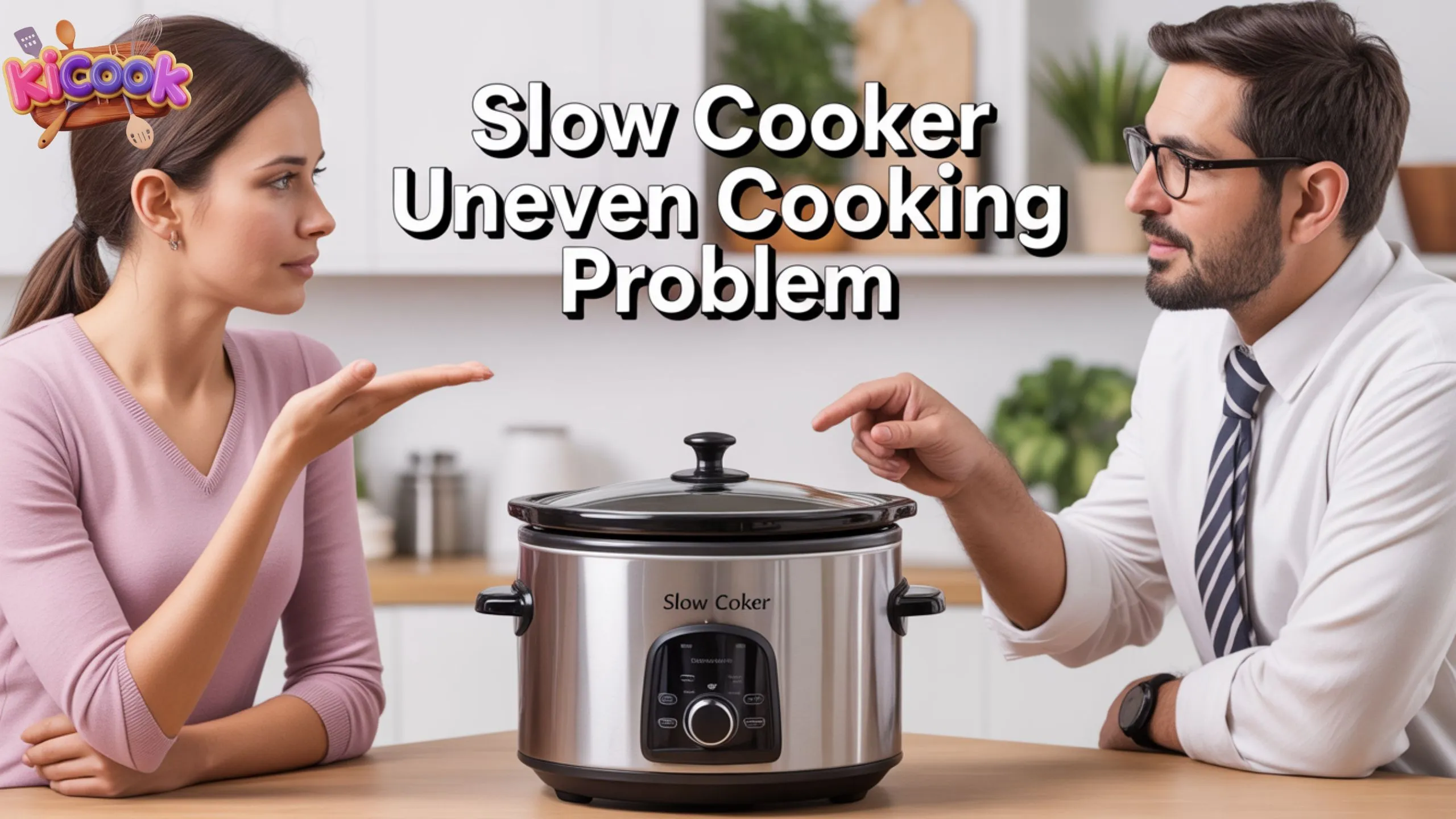
Slow cooker uneven cooking problem means food cooks faster on one side or bottom while other parts stay undercooked. I’ve faced this issue many times, and the good news is it can be fixed with simple, practical steps.
I’ve used slow cookers for years in my kitchen, both on busy weekdays and relaxed weekends. I love them because they save time and make home cooking easier. But if you’re here, you’re likely frustrated because your slow cooker does not cook food evenly. One side burns, the middle stays cold, or the meat is dry while vegetables turn mushy. I’ve been there, and I understand how annoying this feels.
This article is written to help you fix the slow cooker uneven cooking problem in a simple, honest way. I’ll share what causes uneven heat, common user mistakes, food placement tips, and how to get even results every time. I’ll also talk about real customer pain points I’ve seen in the USA, UK, Canada, and London homes.
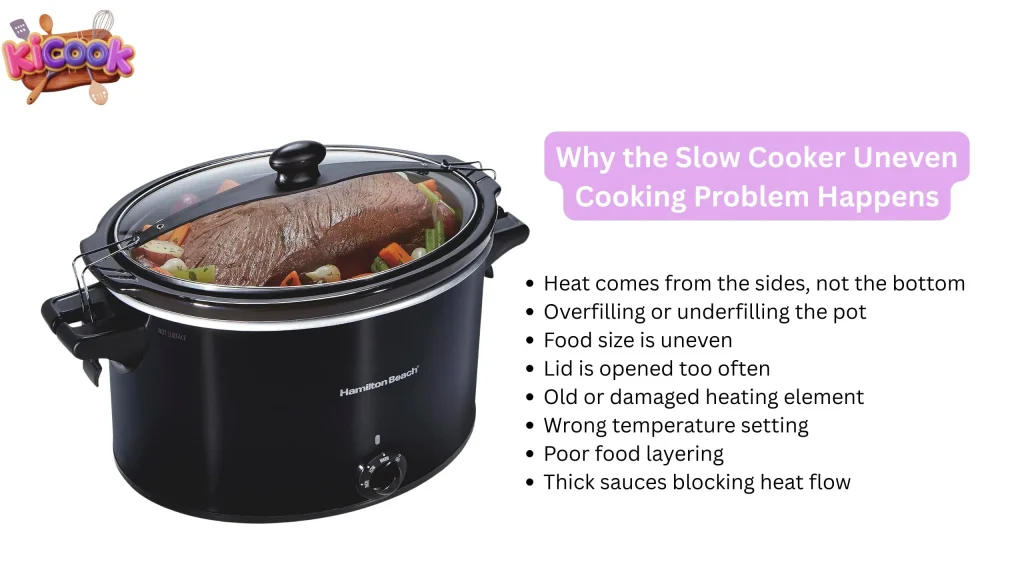
Why the Slow Cooker Uneven Cooking Problem Happens
Many people think a slow cooker should heat food evenly by default. Sadly, that’s not always true.
Here are the most common reasons uneven cooking happens:
- Heat comes from the sides, not the bottom
- Overfilling or underfilling the pot
- Food size is uneven
- Lid is opened too often
- Old or damaged heating element
- Wrong temperature setting
- Poor food layering
- Thick sauces blocking heat flow
The slow cooker uneven cooking problem is usually not a brand fault. It’s often about how we use it.
“Cooking is about care and patience, not speed.” — Julia Child
How Slow Cookers Actually Heat Food
Slow cookers heat from the sides and slowly move heat inward. This means food near the walls cooks faster. Food in the center takes longer.
That’s why:
- Meat on the side may overcook
- Vegetables in the middle stay firm
- Sauces bubble on one edge only
This design is common in slow cookers sold in the USA, UK, Canada, and Australia.
Credit: spice.alibaba
Common Customer Pain Points I Hear Often
From emails, comments, and forums, these are the biggest complaints:
- “My slow cooker burns food on one side”
- “Chicken cooks unevenly”
- “Vegetables turn mushy”
- “The middle is still cold”
- “Food sticks to the sides”
- “Stew cooks unevenly”
- “Roast dries out”
These are all signs of the slow cooker uneven cooking problem.
“Cooking well doesn’t mean cooking fancy.” — Ina Garten
Food Placement Matters More Than You Think
One mistake I used to make was tossing everything in randomly.
Here’s what works better:
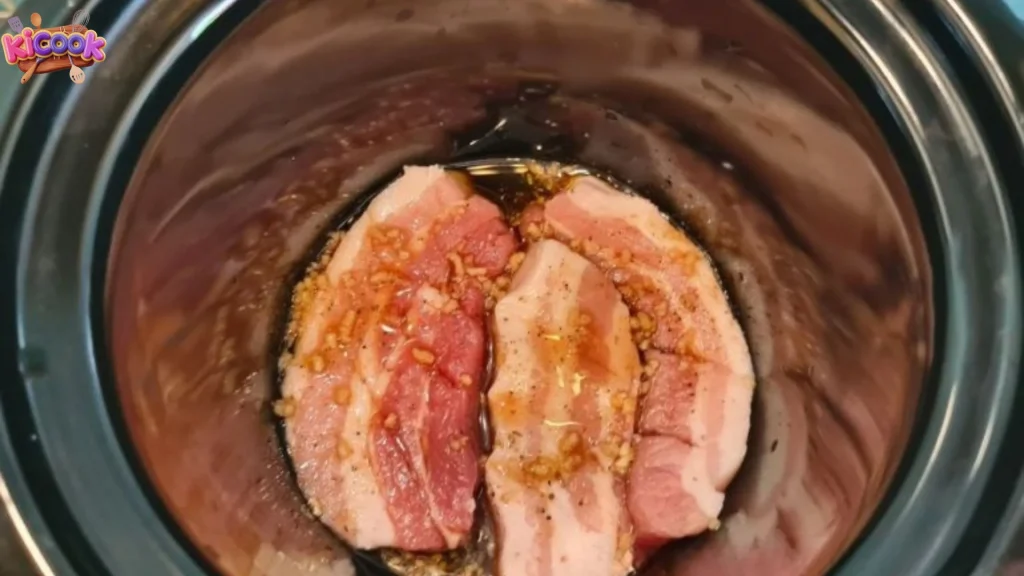
Correct Food Layering
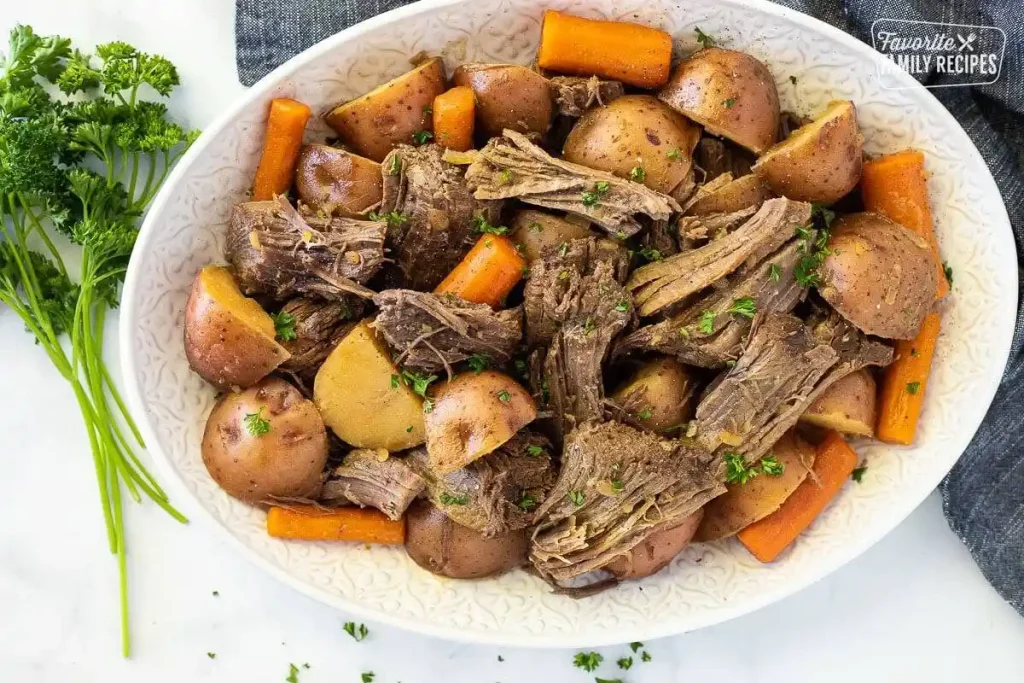
- Root vegetables (potatoes, carrots) go at the bottom
- Meat goes on top of vegetables
- Liquid should cover at least half the food
- Avoid stacking thick items on one side only
This helps heat move evenly.
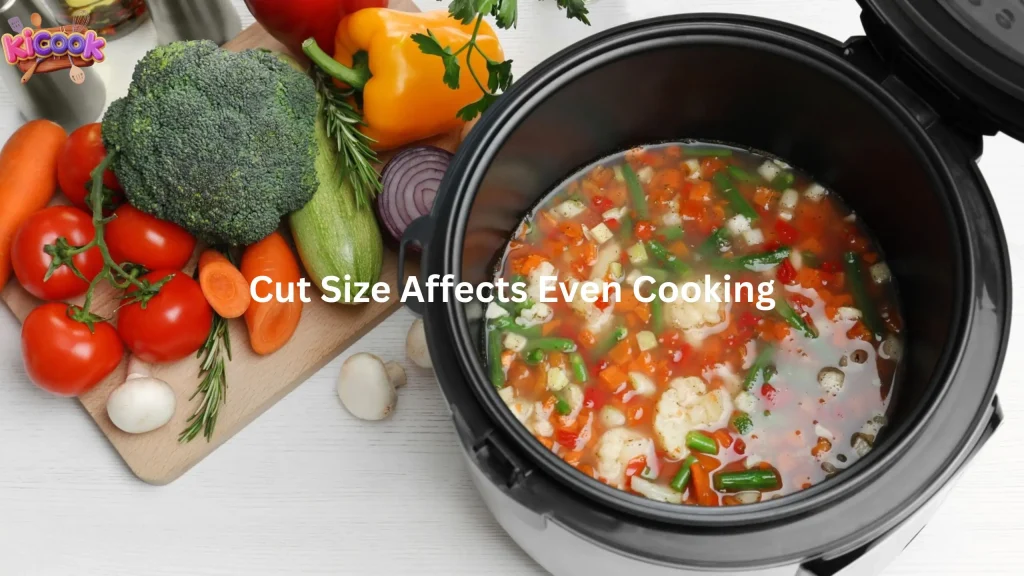
Cut Size Affects Even Cooking
Uneven food size is a hidden cause.
- Big potato chunks stay raw
- Small pieces overcook
- Meat cooks unevenly if thickness varies
I now cut vegetables and meat into similar sizes. This alone fixed many uneven cooking issues.
Credit: favfamilyrecipes
Overfilling and Underfilling Problems
Overfilling
- Blocks heat flow
- Causes cold spots
- Leads to uneven stew or soup
Underfilling
- Food dries out
- Sides overheat
- Sauce burns
The sweet spot is filling the cooker ½ to ⅔ full.
Lid Lifting Is a Big Mistake
Every time you open the lid:
- Heat drops fast
- Cooking time resets
- Food cooks unevenly
I used to peek often. Now I trust the process.
“Good food is very often, even most often, simple food.” — Anthony Bourdain
Temperature Setting Mistakes
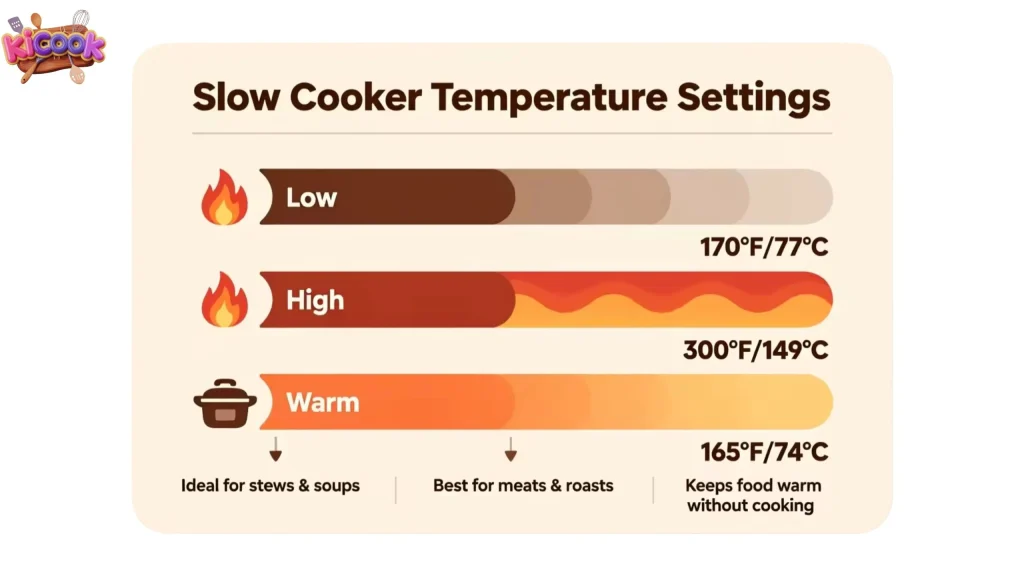
Many people think “Low” means safer. But low heat for very large meals can cause uneven cooking.
My Rule:
- Use High for the first hour
- Switch to Low after heat builds
This helps avoid cold centers.
Old Slow Cookers Can Cause Heat Issues
If your slow cooker is over 5–7 years old:
- Heating coil may weaken
- Heat becomes uneven
- One side overheats
If food always burns on the same side, this may be the cause.
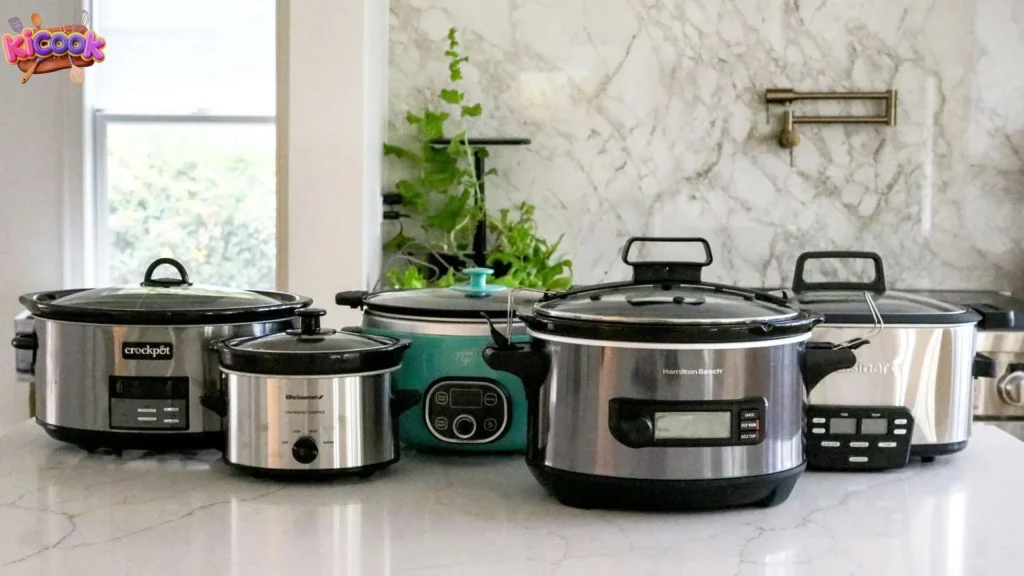
Round vs Oval Slow Cookers
Oval slow cookers often heat unevenly with large roasts.
Round slow cookers:
- Circulate heat better
- Are great for soups and stews
This matters for homes in the UK and Canada where stews are popular.
Credit: allrecipes
Stirring Helps, But Timing Matters
Stirring can help with:
- Chili
- Sauces
- Soups
Avoid stirring:
- Meat roasts
- Layered dishes
Stir only once halfway if needed.
Slow Cooker Liner Use
Liners can block heat if not fitted well.
If you use one:
- Smooth it against the sides
- Avoid folds
- Do not stack food against thick liner edges
Liquid Balance Is Key
Too little liquid causes:
- Burnt edges
- Dry meat
Too much liquid causes:
- Mushy vegetables
- Weak flavor
I aim for food to be half covered.
“The simplest meals often teach us the most.” — Nigella Lawson
Country-Specific Tips
USA & Canada
- Larger slow cookers need more liquid
- Cold winters mean longer preheat time
UK & London
- Dense vegetables need longer cook time
- Smaller kitchens benefit from round cookers
Real Fixes That Worked for Me
Here’s what solved my slow cooker uneven cooking problem:
- Equal food size
- Proper layering
- Right fill level
- Less lid opening
- Start on high heat
- Rotate pot once if possible
Safety Reminder
Uneven cooking can be a food safety issue, especially with meat. The USDA slow cooker safety guide explains safe cooking temperatures clearly
This is important for families in all regions.
“Good cooking comes from care, not tools.” — James Beard
Frequently Asked Questions
Why does my slow cooker cook unevenly?
Heat comes from the sides, and food placement affects heat flow.
Is uneven cooking dangerous?
Yes, especially for chicken and beef if the center stays undercooked.
Can I rotate the pot?
Some models allow it, and it helps balance heat.
Should I stir food?
Only for soups and sauces, not roasts.
Does size matter?
Yes. Match cooker size to meal size.
Can liners cause uneven cooking?
Yes, if they block heat.
Conclusion
The slow cooker uneven cooking problem is frustrating, but it’s fixable. From my own experience, small changes like food size, layering, and heat control can make a huge difference. If you use your slow cooker with care and patience, it can still be one of the most helpful tools in your kitchen.
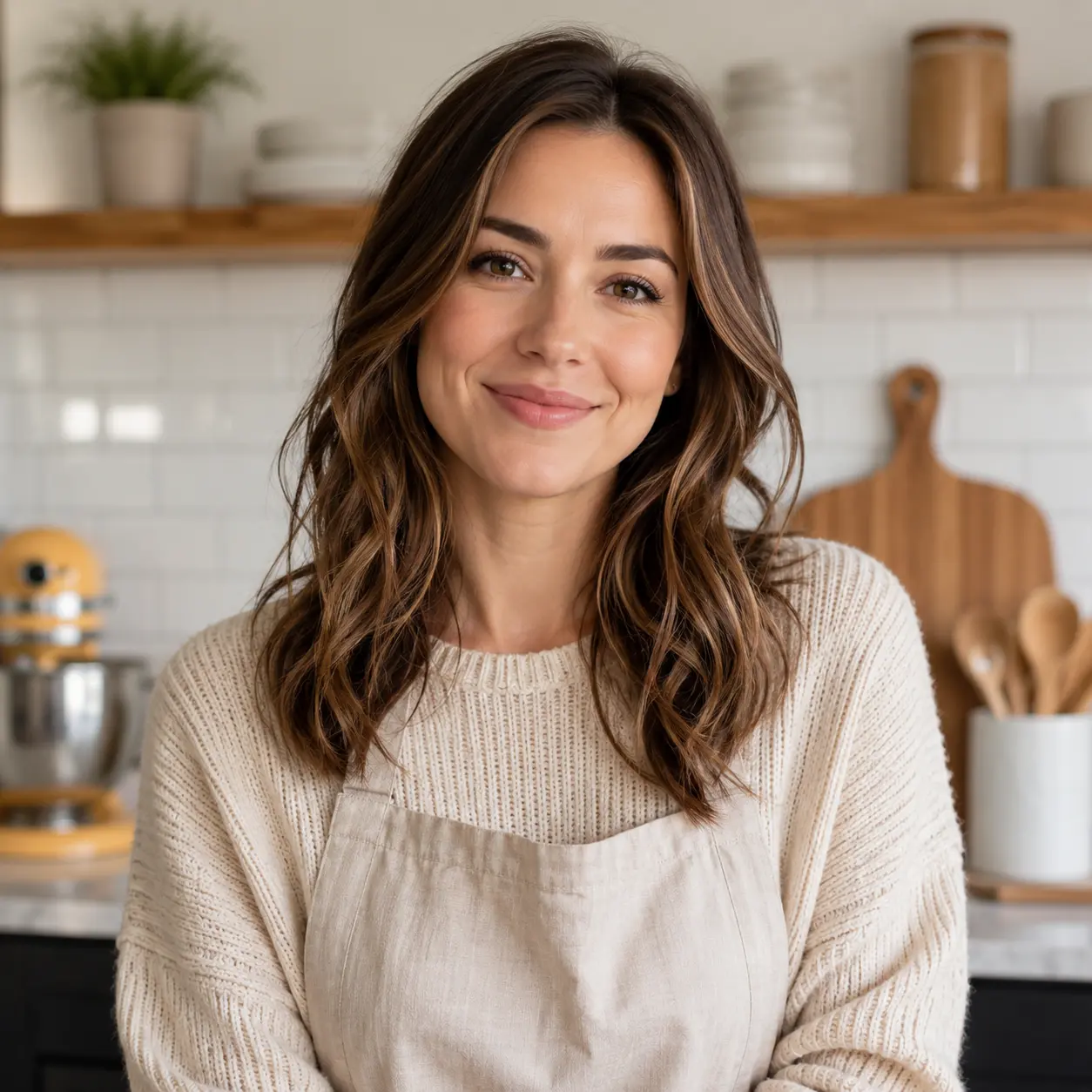
“I believe great cooking starts with the right tools, trusted advice, and a little confidence in the kitchen.”
Hi, I’m Emma Carter. My love for cooking began in my grandmother’s kitchen, where I learned that every great meal starts with simple ingredients and the right cookware. Over the years, I’ve spent countless hours researching, testing, and comparing kitchen appliances, cookware, coffee makers, air fryers, and other everyday kitchen essentials.
Here at KiCook, my goal is to make your buying decisions easier with honest product reviews, practical buying guides, and easy-to-follow cooking tips. Whether you’re upgrading your kitchen or searching for the best appliance for your home, I focus on providing clear, reliable, and research-backed information you can trust.
When I’m not testing new kitchen gadgets or writing in-depth guides, you’ll usually find me trying new recipes, visiting local farmers’ markets, or enjoying a quiet cup of coffee while planning my next kitchen project.