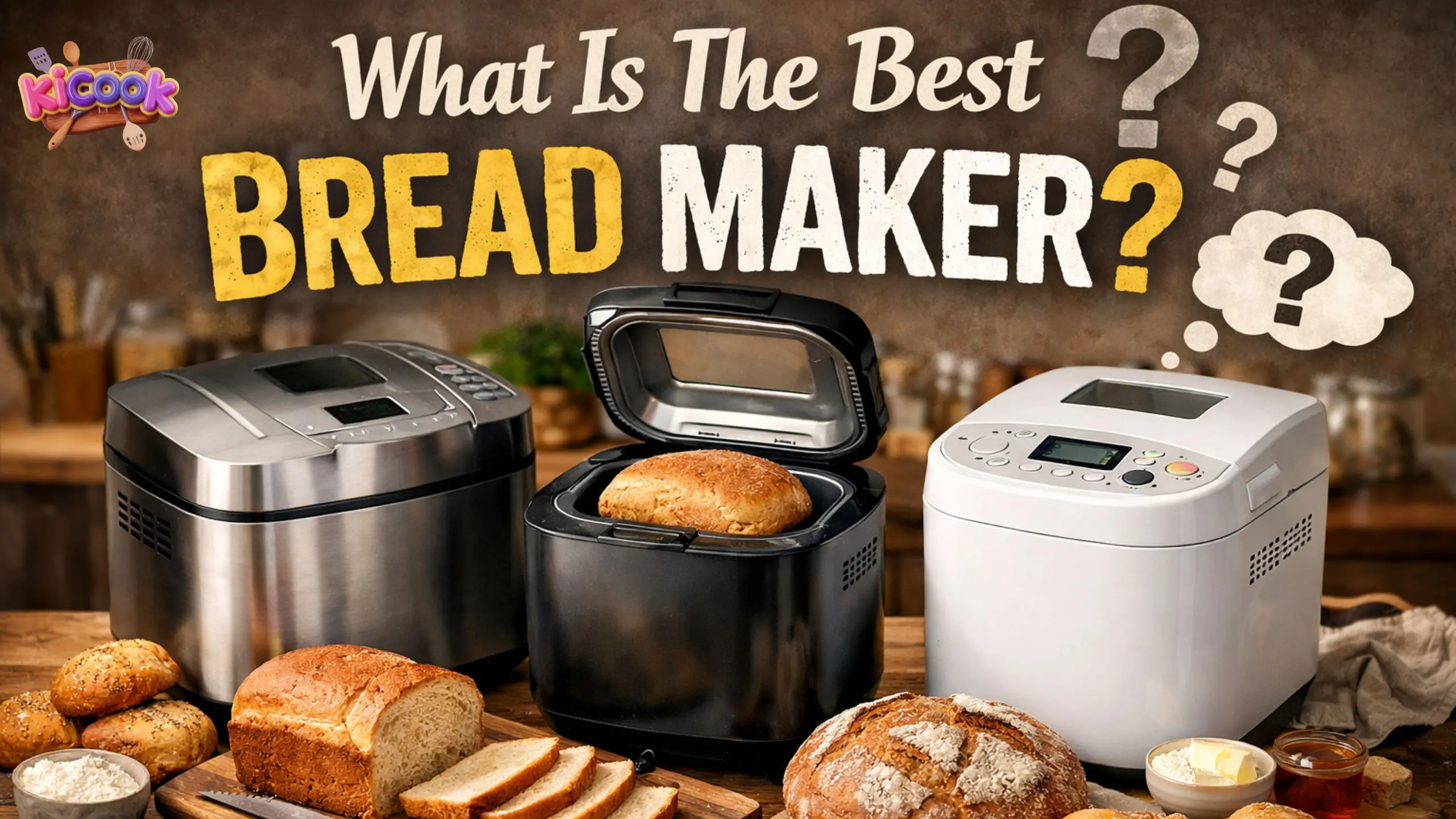
The best bread maker is the one that fits your daily routine, budget, and bread preferences while saving time and reducing frustration.
After using and researching several models, I’ve learned that reliability, ease of use, and consistent results matter more than fancy features.
Why So Many People Ask “What Is the Best Bread Maker?”
I’ve spoken to many home cooks and busy families who love fresh bread but feel stuck. Some tried baking by hand and gave up after dense loaves. Others bought a machine that made loud noises, burned the crust, or stopped working within a year.
That’s why the question “What is the best bread maker?” keeps coming up in homes across the USA, UK, London, and Canada.
Bread makers promise fresh bread with less effort, but choosing the wrong one creates more stress than comfort. In this guide, I’ll share what I’ve learned through real use, research, and feedback from everyday users so you can avoid common mistakes and feel confident before buying.
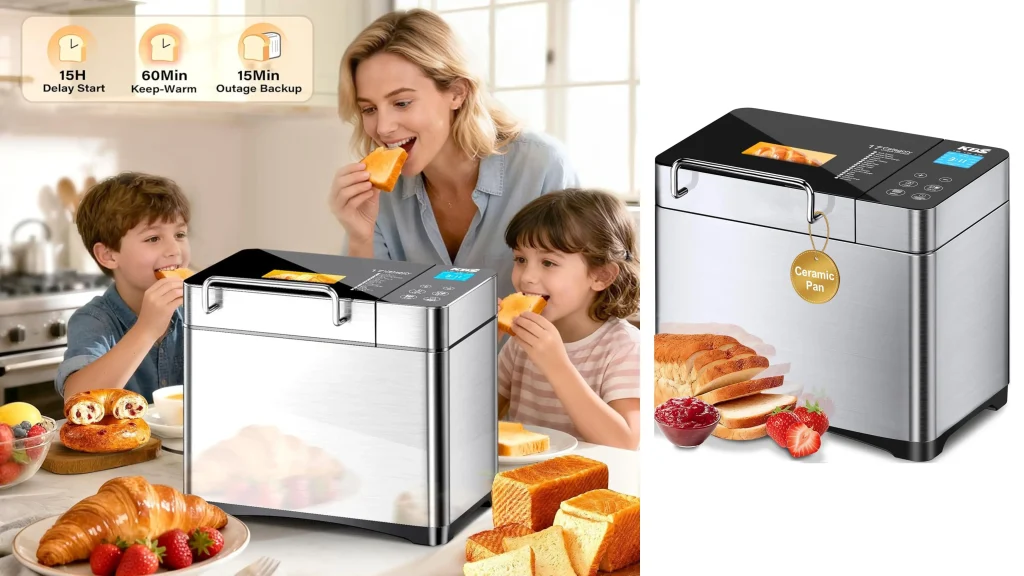
Credit: AMAZON
Common Pain Points Bread Maker Buyers Face (And How to Fix Them)
Before talking about models, let’s address the real problems people face.
1. “My bread turns out too dense or dry”
This usually happens due to weak kneading power, poor heat control, or unclear recipes. A good bread maker uses steady kneading paddles and even heat.
Solution: Choose a machine with multiple loaf programs and adjustable crust settings.
2. “The machine is too noisy”
Some machines shake and rattle, especially in apartments in London or condos in New York.
Solution: Look for models with stable bases and quiet motors.
3. “Cleaning is a hassle”
Sticky pans and stuck paddles ruin the experience.
Solution: Non-stick bread pans and removable paddles save time and patience.
4. “I don’t trust the ingredients in store bread”
Many families in the USA and Canada want fewer preservatives.
Solution: A bread maker gives full control over ingredients like flour, yeast, sugar, and salt.
“Good bread is the most fundamentally satisfying of all foods.”— James Beard
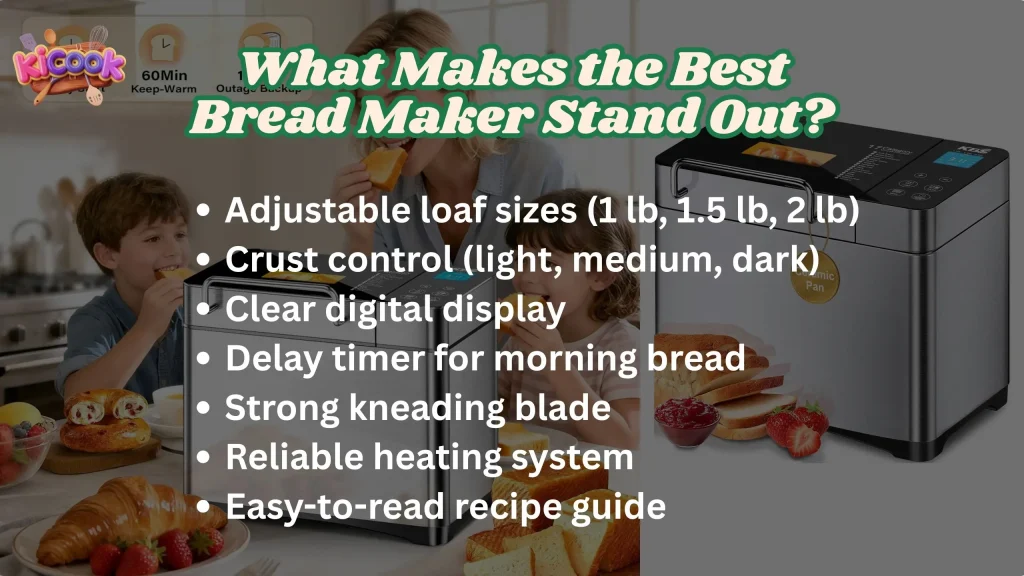
What Makes the Best Bread Maker Stand Out?
From my experience, the best bread maker balances simplicity and performance.
Key Features That Matter
- Adjustable loaf sizes (1 lb, 1.5 lb, 2 lb)
- Crust control (light, medium, dark)
- Clear digital display
- Delay timer for morning bread
- Strong kneading blade
- Reliable heating system
- Easy-to-read recipe guide
Extra settings are helpful, but only if you’ll use them.
Types of Bread Makers You’ll See on the Market
Basic Bread Makers
Best for beginners. They handle white bread, whole wheat, and basic dough.
Advanced Bread Makers
These include gluten-free settings, jam modes, and custom programs.
Compact Bread Makers
Perfect for small kitchens or apartments in London and Toronto.
Best Bread Maker Brands Trusted in USA, UK, and Canada
Based on user feedback, reliability, and long-term use, these brands consistently earn trust:
- Zojirushi
- Panasonic
- Cuisinart
- Breville
- Hamilton Beach
These brands focus on steady performance rather than unnecessary extras.
My Personal Experience Using Bread Makers at Home
When I started using a bread maker, I was tired of store bread going stale too quickly. I also wanted better control over sugar and salt.
The first machine I owned had confusing buttons and uneven baking. After switching to a more user-friendly model, the difference was immediate. The bread smelled better, sliced cleanly, and stayed fresh longer.
That experience taught me that ease of use matters more than the number of buttons.
“Bread baking is one of the simplest ways to feel connected to what you eat.”— Peter Reinhart
Is a Bread Maker Worth the Money?
For most households, yes.
Cost Breakdown
- Store bread (monthly): Higher long-term cost
- Homemade bread: Lower cost per loaf
- Ingredient control: Priceless for health-focused families
In the USA and Canada, bread makers often pay for themselves within a year.
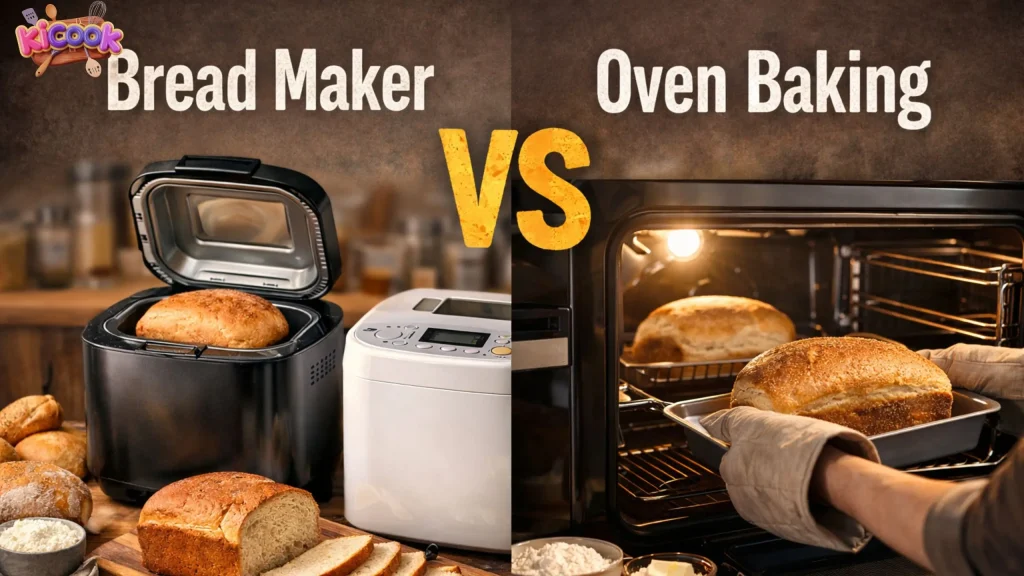
Bread Maker vs Oven Baking
| Feature | Bread Maker | Oven Baking |
|---|---|---|
| Time | Low effort | High effort |
| Consistency | High | Varies |
| Cleanup | Minimal | Messy |
| Skill level | Beginner-friendly | Practice needed |
For busy homes, bread makers offer steady results with less stress.
Best Bread Maker for Different Needs
For Families
Choose a 2-pound loaf machine with a delay timer.
For Gluten-Free Baking
Look for dedicated gluten-free programs.
For Small Kitchens
Compact vertical bread makers work best.
For Beginners
Simple controls and pre-set menus matter more than price.
Maintenance Tips to Make Your Bread Maker Last Longer
- Clean the pan after every use
- Avoid metal tools on non-stick surfaces
- Let the machine cool between cycles
- Store in a dry place
These small steps prevent common breakdowns.
For official food safety and ingredient guidance, I recommend checking the USDA kitchen safety guide
This is useful for readers in the USA and Canada.
“The best kitchen tools are the ones you actually use.”— Ina Garten
Frequently Asked Questions (FAQs)
What is the best bread maker for beginners?
A simple model with clear buttons, basic programs, and a recipe booklet works best.
Are bread makers suitable for UK kitchens?
Yes. Many models support UK voltage and fit standard counter sizes, including London flats.
Can I make dough only?
Yes. Most bread makers include dough-only programs for pizza and rolls.
Is homemade bread healthier?
It can be, especially when you control salt, sugar, and additives.
How long does bread stay fresh?
Homemade bread stays fresh for 2–3 days at room temperature or longer when frozen.
Final Thoughts: So, What Is the Best Bread Maker?
After years of use, research, and listening to real users, I’ve learned that the best bread maker is the one that fits your lifestyle, not the one with the most features.
If you want reliable bread, simple controls, and consistent results, focus on quality, brand reputation, and ease of cleaning. A good bread maker brings comfort, saves money, and gives you full control over what your family eats.
Fresh bread at home shouldn’t feel stressful—it should feel rewarding.

“I believe great cooking starts with the right tools, trusted advice, and a little confidence in the kitchen.”
Hi, I’m Emma Carter. My love for cooking began in my grandmother’s kitchen, where I learned that every great meal starts with simple ingredients and the right cookware. Over the years, I’ve spent countless hours researching, testing, and comparing kitchen appliances, cookware, coffee makers, air fryers, and other everyday kitchen essentials.
Here at KiCook, my goal is to make your buying decisions easier with honest product reviews, practical buying guides, and easy-to-follow cooking tips. Whether you’re upgrading your kitchen or searching for the best appliance for your home, I focus on providing clear, reliable, and research-backed information you can trust.
When I’m not testing new kitchen gadgets or writing in-depth guides, you’ll usually find me trying new recipes, visiting local farmers’ markets, or enjoying a quiet cup of coffee while planning my next kitchen project.