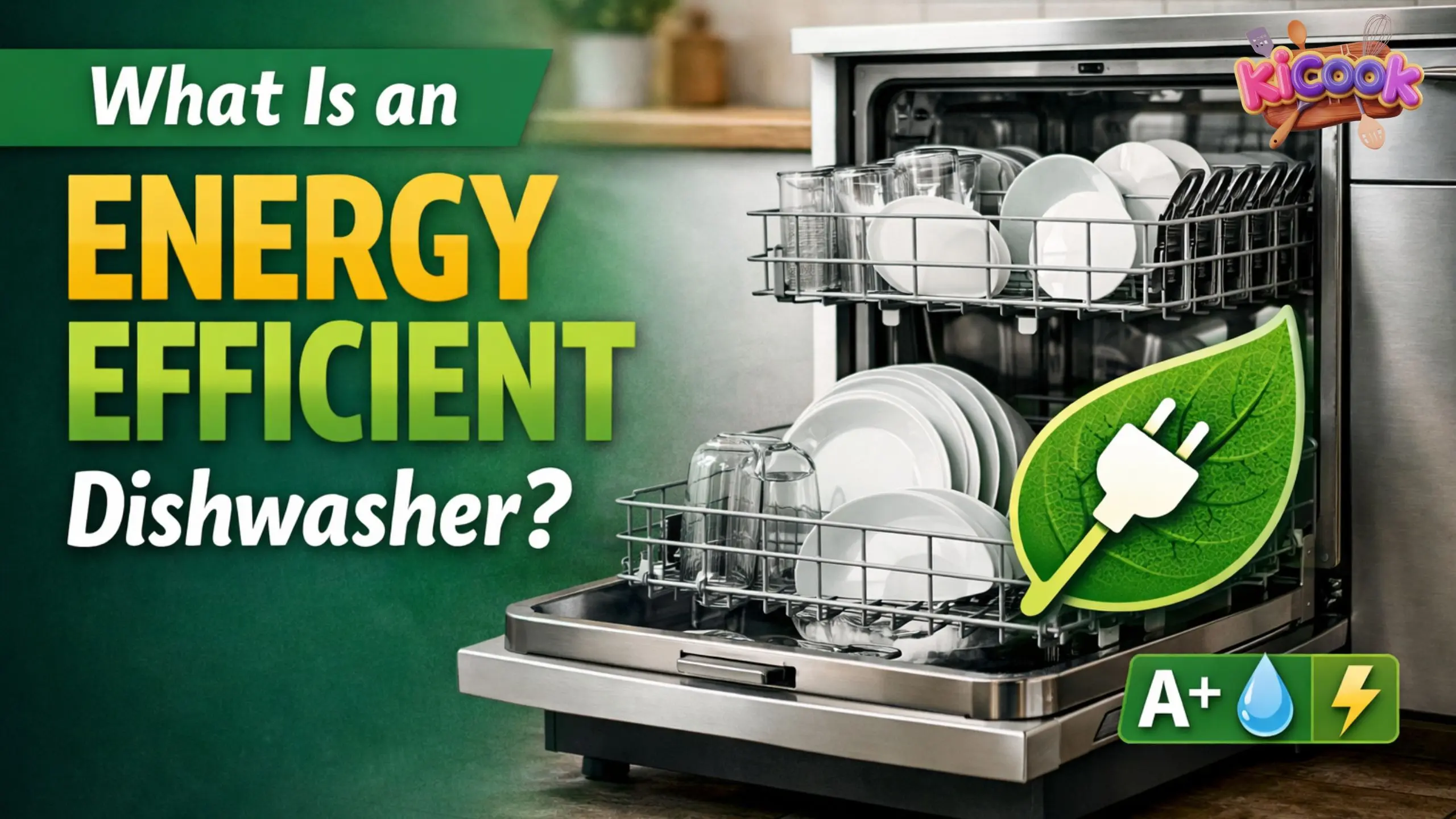
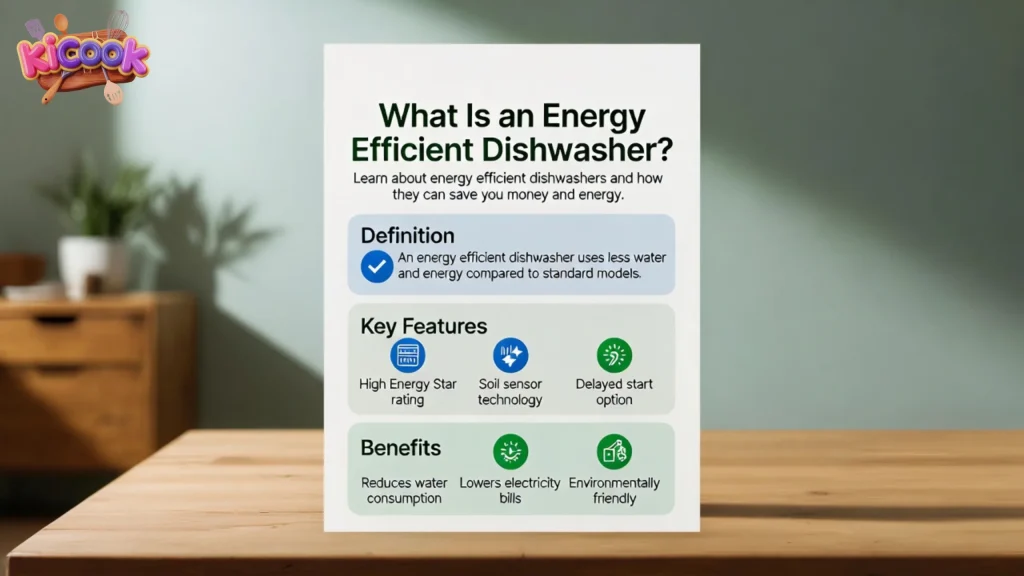
An energy-efficient dishwasher utilizes soil sensors, efficient water jets, and advanced filtration to clean dishes using significantly less water and electricity than older models or hand washing. These appliances strictly meet federal standards like Energy Star or regional ratings to reduce utility costs without sacrificing performance.
Why This Matters to Me
I spent years ignoring the yellow energy labels on my appliances until I moved into a home with electric heating and metered water. The utility bills were a wake-up call. I started measuring everything, from how much water I used rinsing plates to the kilowatt-hours my old dishwasher sucked up during a “heavy” cycle.
What I found wasn’t just about saving a few dollars; it was about realizing that newer technology actually cleans better while using less. I’ve tested various setups, from full-sized built-in units to compact models, and the difference in how they handle resources is massive. I want to share what I’ve learned so you don’t have to learn the hard way through your bank account.
Real User Pain Points
Most people looking for efficiency aren’t just trying to save the planet; they are trying to solve daily headaches. Here are the real struggles I see constantly:
- The “Pre-Rinse” Guilt and Waste: You feel like you have to wash the dishes before putting them in the washer, which defeats the purpose.
- Shocking Utility Bills: You notice your electric and water bills creeping up, especially if you run the machine daily.
- Small Kitchen Constraints: You want efficiency, but you rent or have a tiny kitchen where a standard machine won’t fit.
- The Noise Factor: You run the dishwasher at night to save on peak energy rates, but the noise keeps the whole house awake.
- Drying Issues: Efficient machines often skip the heat-dry element to save power, leaving plastics wet.
“The single biggest mistake consumers make is pre-rinsing. It can waste up to 20 gallons of water per load, and actually results in dirtier dishes because the sensors cut the wash cycle short.” — Richard Tarrant, Senior Tester at Consumer Reports
How These Problems Are Solved
Stopping the Pre-Rinse Waste
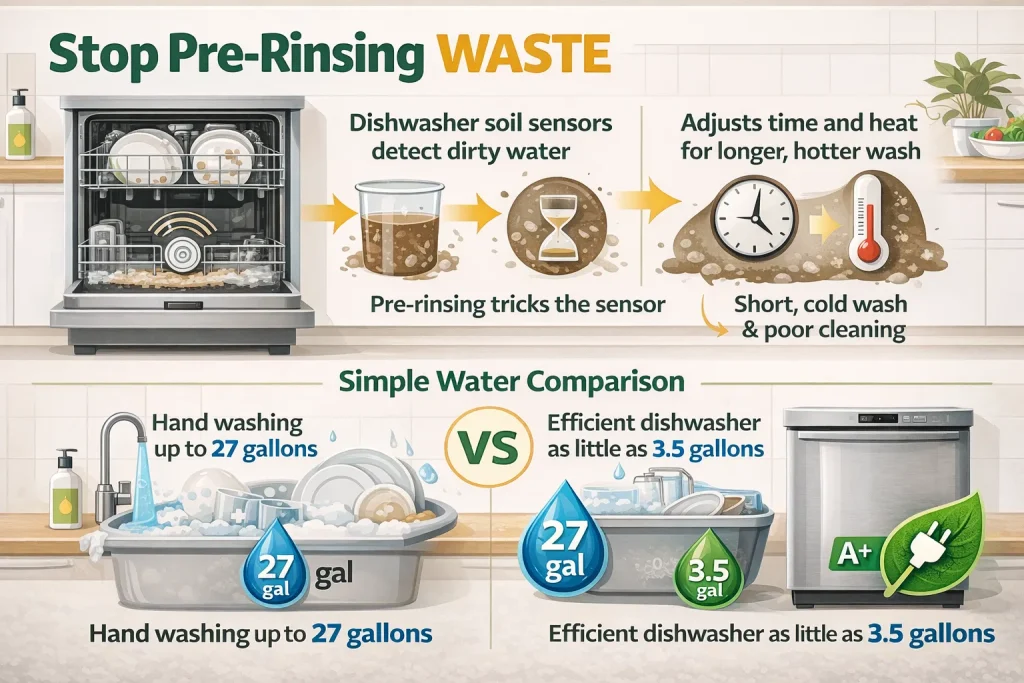
The biggest misconception is that efficient machines are “weak.” Actually, they rely on soil sensors. These sensors detect how dirty the water is and adjust the cycle length and heat accordingly. When you pre-rinse, you trick the sensor into thinking the load is clean, so it runs a shorter, colder cycle that doesn’t clean well.
If you stop pre-rinsing, you let the machine do its job. Modern units are designed to handle stuck-on food. This is a huge factor in the dishwasher vs hand washing water usage debate. Hand washing can use up to 27 gallons per load, whereas an energy-efficient dishwasher might use as little as 3.5 gallons.
Solving the Small Space Dilemma
Efficiency isn’t limited to massive 24-inch units. If you live in an apartment or an older home, you might be looking at alternatives. I’ve seen many people assume they are stuck hand washing because they lack space, but that’s not the case.
For renters, portable dishwasher advantages and disadvantages are worth weighing. They hook up to your sink and offer the same water savings as built-ins. If you have even less space, you might wonder what is a countertop dishwasher? These compact units sit right on the counter and use extremely low amounts of water—often just 2 or 3 gallons per cycle.
If you are curious about the mechanics, how does a countertop dishwasher work? It connects to your faucet, drawing water only when needed and spraying it efficiently in a small chamber. It’s a brilliant solution for single-person households trying to keep bills low.
Handling the Noise
Energy efficiency and silence often go hand-in-hand. To keep heat inside the machine (so it uses less energy to maintain water temperature), manufacturers add heavy insulation layers. This insulation dampens sound.
Cheaper, inefficient models often have loud grinders and thin plastic tubs. Efficient models usually feature stainless steel tubs and filtration systems rather than grinders. If you are sensitive to sound, check out dishwasher noise levels explained to understand decibel ratings. A rating of 44 dBA or lower is usually quiet enough that you won’t hear it from the next room.
Drying Without High Energy Costs
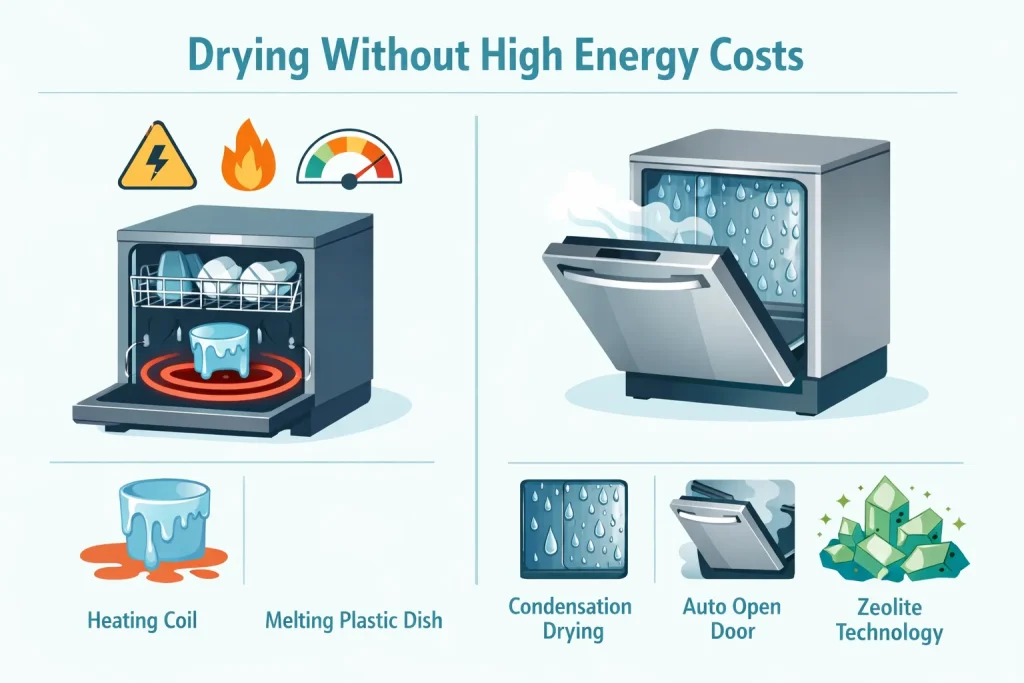
Old dishwashers used a heating element at the bottom—basically an electric oven coil—to bake the dishes dry. This uses a lot of power and can melt plastics.
Efficient models use condensation drying or auto-open doors. Stainless steel tubs cool down faster than the dishes, pulling moisture off the plates and onto the walls where it drains away. Some premium brands, like a Bosch dishwasher, use minerals like Zeolite that naturally generate heat when they absorb moisture, drying dishes perfectly without using electricity for a heater.
“Efficiency isn’t just about the motor; it’s about water management. Modern filtration systems remove food particles continuously, allowing the machine to reuse water and detergent more effectively during the cycle.” — Jessica Petrino, Educator at AJ Madison
Country-Specific Context
USA: The Energy Star Standard
In the US, look for the blue Energy Star label. An Energy Star certified dishwasher costs about $35 a year to run and saves an average of 3,870 gallons of water over its lifetime. Many states offer rebates for buying these, so check your local utility website.
UK: The A-G Rating Scale
The UK (and EU) scrapped the confusing “A+++” ratings recently. Now, the scale is strict, going from A to G. Don’t be alarmed if a machine you like is rated “C” or “D.” Under the new strict standards, a “C” rating is actually very good and highly efficient compared to older models.
Canada: EnerGuide Labels
Canadians should look for the EnerGuide label. It gives you a clear kilowatt-hour (kWh) per year estimate. Given the high cost of electricity in provinces like Ontario, paying a bit more upfront for a lower kWh rating usually pays off within three years.
Australia: The Star Rating
Australia uses a Water Rating (WELS) and an Energy Star Rating. It is mandatory to display these. Look for at least 4 stars for energy and 5 stars for water. In drought-prone areas, the water rating is often more critical than the energy one.
Experience-Based Benefits
Since switching to a high-efficiency model, the biggest change I noticed wasn’t just the bill—it was the convenience of “half-load” options.
In the past, I waited until the dishwasher was totally full to run it because I felt guilty about the waste. Now, my machine has sensors that adjust the water based on the load size. I run it whenever I run out of forks, and I don’t feel bad about it.
I also stopped rinsing dishes entirely. I scrape the big scraps into the compost and put the dirty plate right in. It felt wrong at first, but the dishes come out cleaner. The enzymes in modern detergents need that food soil to work; otherwise, they attack the glassware, causing etching.
For those on the fence about smaller units, I often get asked are countertop dishwashers worth it? From my perspective, if it stops you from running the tap for 20 minutes to wash dishes by hand, the answer is a solid yes. The time savings alone are massive.
“We are seeing a shift where sound dampening and energy efficiency are the same technology. The insulation required to keep heat in is exactly what keeps the noise out.” — Steve Sheinkopf, CEO of Yale Appliance
Practical Tips for Maximum Efficiency
- Load Correctly: Make sure dirty surfaces face the center and down. If a large bowl blocks the spray arm, nothing gets clean, and you have to run it again (wasting energy).
- Clean the Filter: Most efficient machines have a manual filter at the bottom. Check it weekly. A clogged filter makes the pump work harder and longer.
- Use Rinse Aid: This is non-negotiable for efficient drying. Since these machines don’t use high heat to dry, rinse aid helps water sheet off surfaces so they air dry quickly.
- Run at Night (If You Have Time-of-Use Rates): Many utility companies charge less for electricity after 7 PM. Use the “Delay Start” feature to run the cycle when rates are low.
- Skip the “Sanitize” Cycle Daily: Unless you have a baby or someone is sick, the normal cycle is hot enough (usually 140°F/60°C) to clean effectively. Sanitize cycles use significantly more power to heat the water to 155°F+.
Frequently Asked Questions for What Is an Energy Efficient Dishwasher
Do energy-efficient dishwashers take longer?
Yes, they often do. It is like driving a car at 55 mph versus 80 mph. Going slower saves fuel but takes more time. Efficient washers recycle water and soak dishes longer to clean without aggressive energy use. A standard cycle might take 2 to 3 hours.
Is it cheaper to hand wash or use a dishwasher?
It is almost always cheaper to use an energy-efficient dishwasher. Hand washing typically uses 5 times more water and requires energy to heat that water from your residential boiler.
Do I need special detergent for efficient machines?
High-quality tablets or pods are usually better than cheap gels. Efficient machines use very little water, so you need a detergent that dissolves quickly and works well in lower volumes of water.
How much electricity does a dishwasher use per hour?
An average energy-efficient dishwasher uses about 1.2 to 1.5 kWh per load. If you run it without the heated dry option, that number drops significantly.
Why are my dishes wet in my new efficient dishwasher?
This is likely because it uses condensation drying instead of a heating element. To fix this, use rinse aid and open the door slightly when the cycle finishes to let the steam escape.
Conclusion
Choosing an energy-efficient dishwasher is one of the smartest upgrades you can make for your home. It solves the problem of high water bills, reduces the noise in your kitchen, and frees you from the drudgery of standing at the sink.
Don’t get hung up on the long cycle times; just press the button and walk away. Trust the sensors, stop pre-rinsing, and let the machine do the work. Your wallet and your free time will thank you.
Would you like me to help you compare specific models based on your kitchen size or budget?
For more information on energy standards and how to choose the right appliance, visit Energy.gov.

“I believe great cooking starts with the right tools, trusted advice, and a little confidence in the kitchen.”
Hi, I’m Emma Carter. My love for cooking began in my grandmother’s kitchen, where I learned that every great meal starts with simple ingredients and the right cookware. Over the years, I’ve spent countless hours researching, testing, and comparing kitchen appliances, cookware, coffee makers, air fryers, and other everyday kitchen essentials.
Here at KiCook, my goal is to make your buying decisions easier with honest product reviews, practical buying guides, and easy-to-follow cooking tips. Whether you’re upgrading your kitchen or searching for the best appliance for your home, I focus on providing clear, reliable, and research-backed information you can trust.
When I’m not testing new kitchen gadgets or writing in-depth guides, you’ll usually find me trying new recipes, visiting local farmers’ markets, or enjoying a quiet cup of coffee while planning my next kitchen project.