
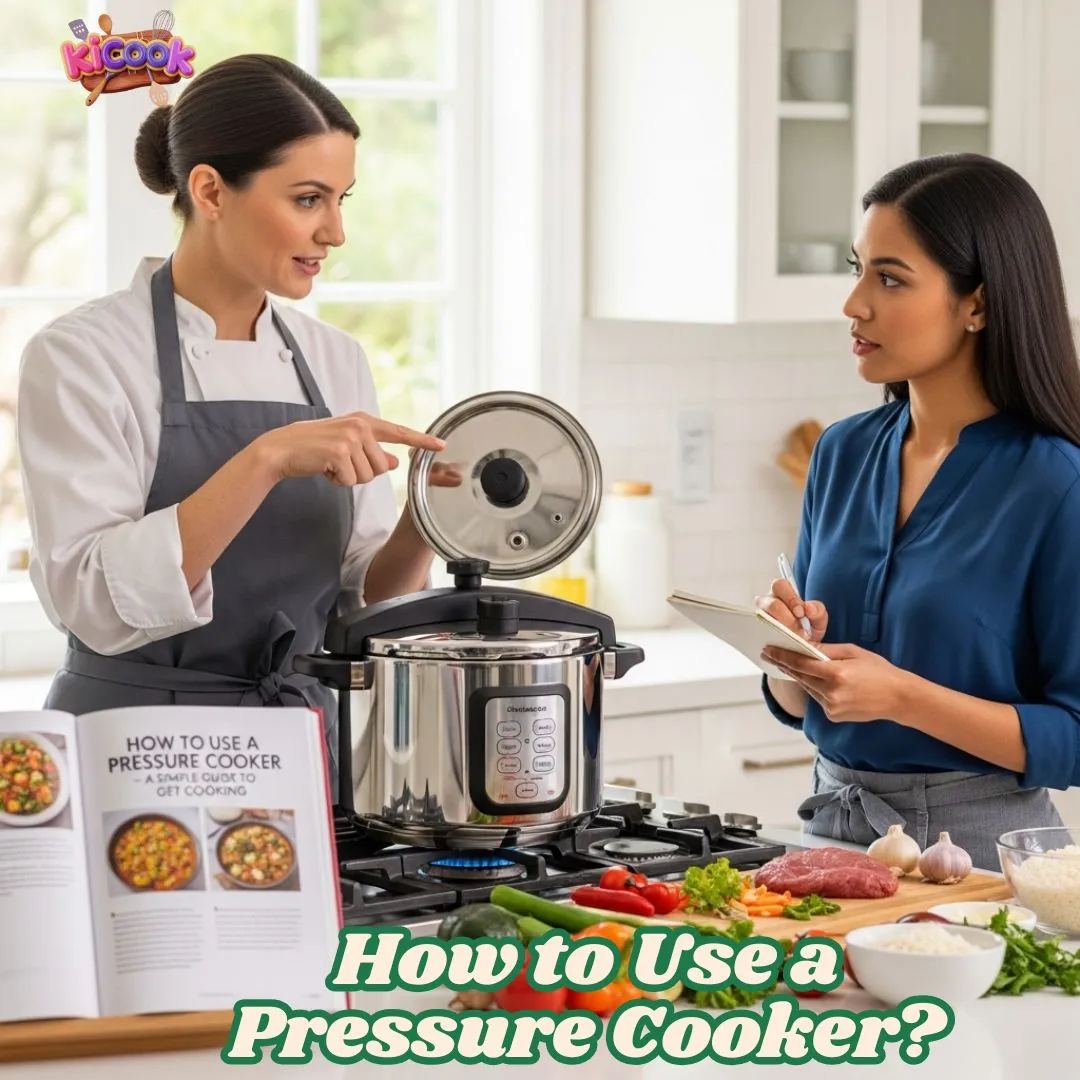
Using a pressure cooker is a simple process of adding food and liquid, locking the lid, selecting pressure and time, and letting the cooker work its magic. It’s a safe and efficient way to get delicious meals on the table fast.
I remember the first time I unboxed my pressure cooker. It sat on my counter for a solid week. I’d look at the valves, the sealing ring, the intimidating manual, and think, “This is a disaster waiting to happen.” I was convinced I was going to create a kitchen explosion worthy of a cartoon.
Sound familiar? If you’re feeling that same mix of excitement and fear, you’re in the right place. I’ve been there. But after years of using my pressure cooker nearly every day, I can tell you this: it has genuinely changed how I cook, saving me hours and helping me create incredibly flavorful food.
This isn’t a complex scientific manual. It’s a friendly chat from someone who’s made (and learned from) every beginner mistake, so you don’t have to. Let’s walk through “How to Use a Pressure Cooker?” together, step by step.
Why Even Use a Pressure Cooker? Let’s Talk Benefits
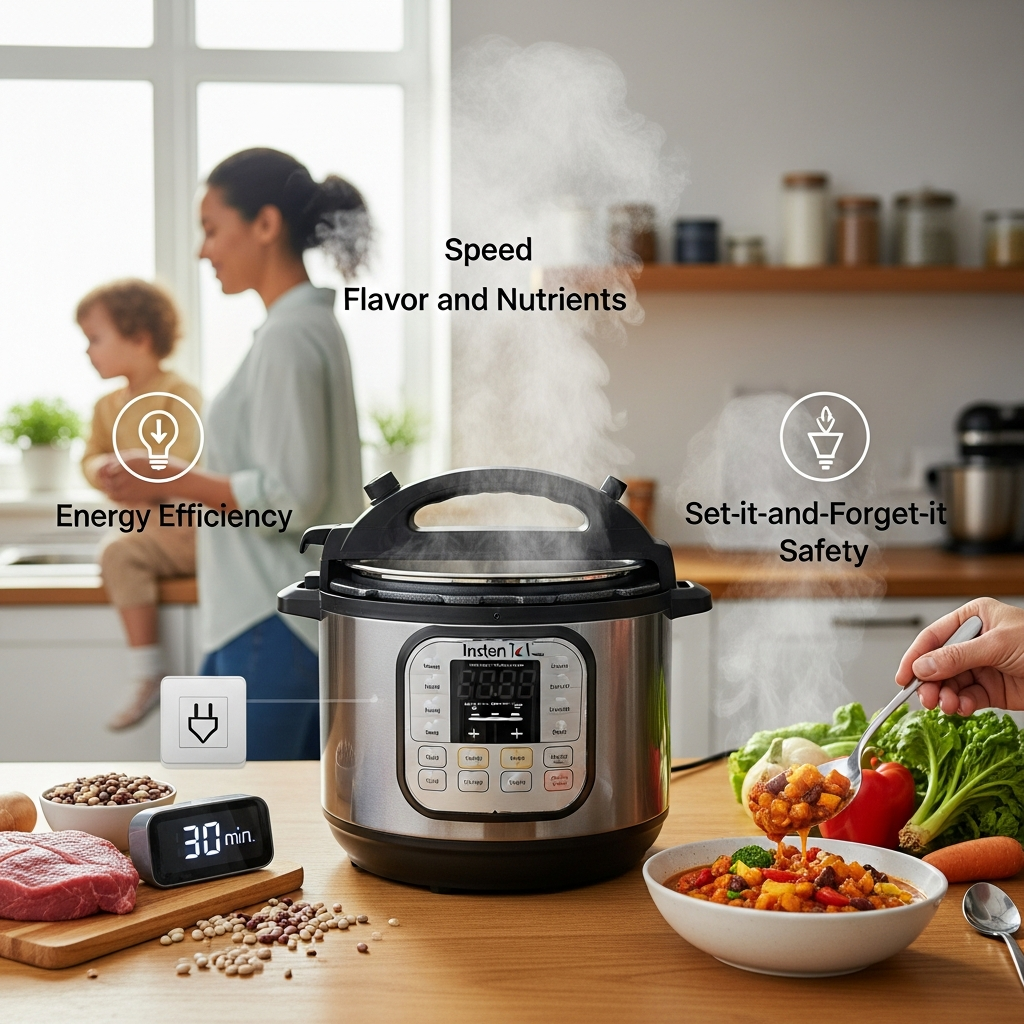
Before we get to the “how,” let’s talk about the “why.” What’s the big deal? The core principle is simple: water boils at a higher temperature under pressure. This super-heated steam cooks food much, much faster.
- Speed: This is the superstar benefit. A pot roast that normally braises for 4 hours is done in 60-70 minutes. Dried beans, no soaking required, are ready in 30-45 minutes. This is a genuine time-saver for busy families.
- Flavor and Nutrients: Because the cooking time is reduced and the steam is locked in, flavors become more concentrated, and nutrients that might otherwise leach out into cooking water are preserved. Your food tastes more like itself.
- Energy Efficiency: Cooking a meal in 20 minutes versus 2 hours uses significantly less energy, which is good for your wallet and the planet.
- Set-it-and-Forget-it Safety: Modern pressure cookers, especially electric models, are incredibly safe. Once you set the time, you can walk away. No more babysitting a pot on the stove.
Getting to Know Your Machine: Parts and Pieces
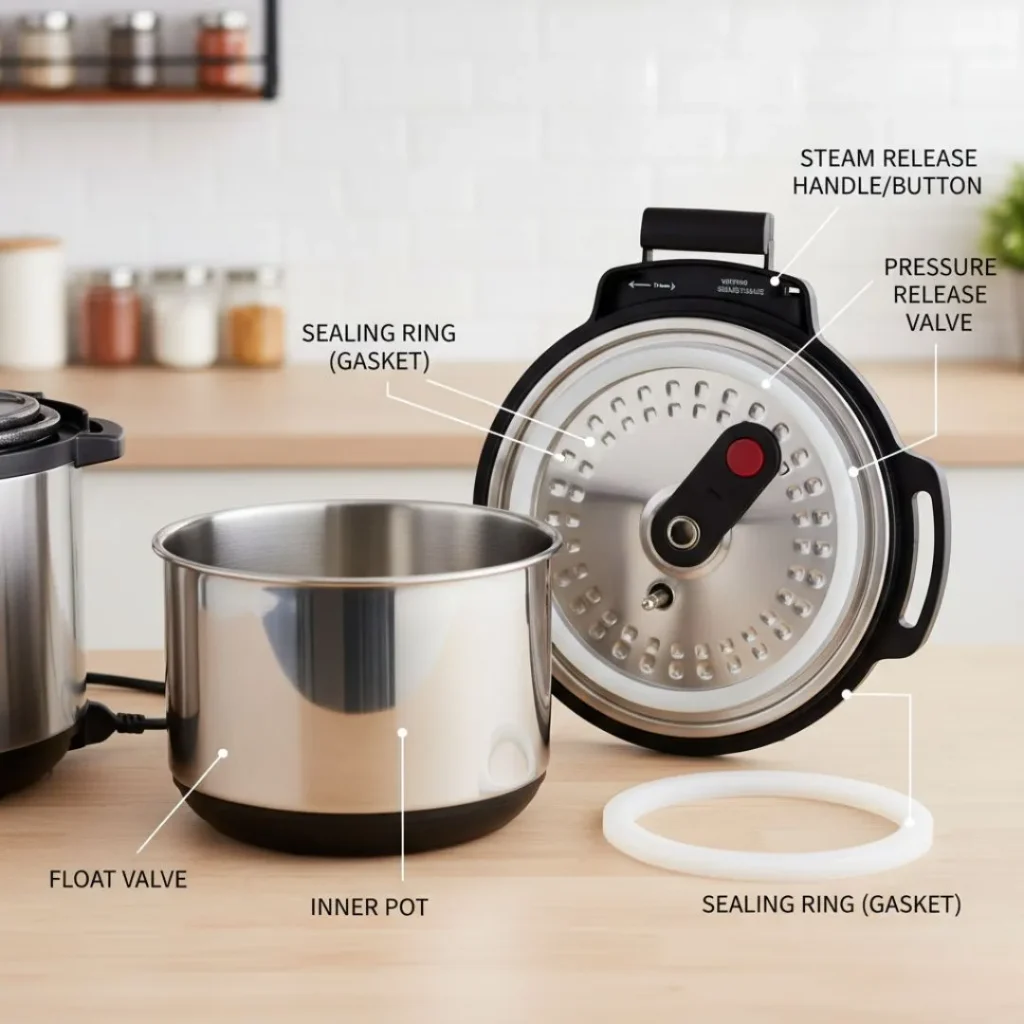
Whether you have a stovetop model or an electric pressure cooker (like an Instant Pot), the basic parts are similar. Knowing their names and functions is your first step to confidence.
- The Pot (or Inner Pot): This is where the magic happens. It’s the removable stainless steel bowl you put your food in.
- The Lid: This is the heart of the operation.
- Sealing Ring (Gasket): This rubber or silicone ring sits inside the lid and creates the airtight seal essential for building pressure. It can absorb smells, so it’s a good idea to have a spare.
- Pressure Release Valve (or Regulator): This is your primary safety feature. It’s a weighted valve or a button that controls the pressure inside the cooker.
- Float Valve: A small metal pin that pops up when the pot is pressurized and seals the lid. You should never be able to open the lid when this pin is up.
- Steam Release Handle/Button: On electric models, this is the slider you move to release steam quickly (Quick Release) or let it release slowly (Natural Release).
As chef and food science writer J. Kenji López-Alt once noted, “The pressure cooker is the single most effective tool for turning tough, inexpensive cuts of meat and fibrous vegetables into tender, succulent dishes in a fraction of the time.” He’s absolutely right.
Your First Cook: A Step-by-Step Walkthrough
Let’s make something simple, like a hearty lentil soup. Follow these steps, and you’ll see just how straightforward it is.
Step 1: Preparation is Key
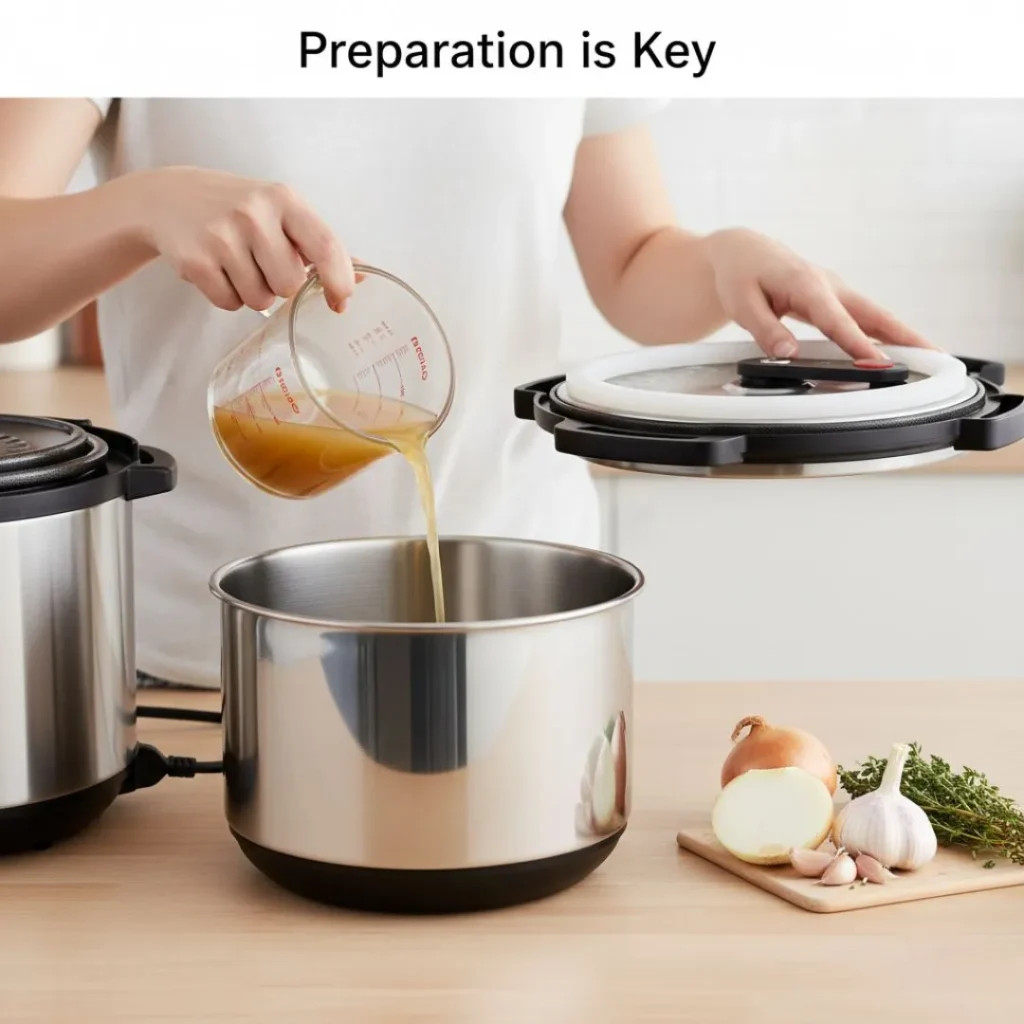
Always start by ensuring your sealing ring is properly seated in the lid and the pressure release valve is clear. Add your ingredients to the inner pot. A crucial rule: always include liquid. This is non-negotiable. You need at least one cup of water, broth, wine, or another thin liquid to create the steam that builds pressure.
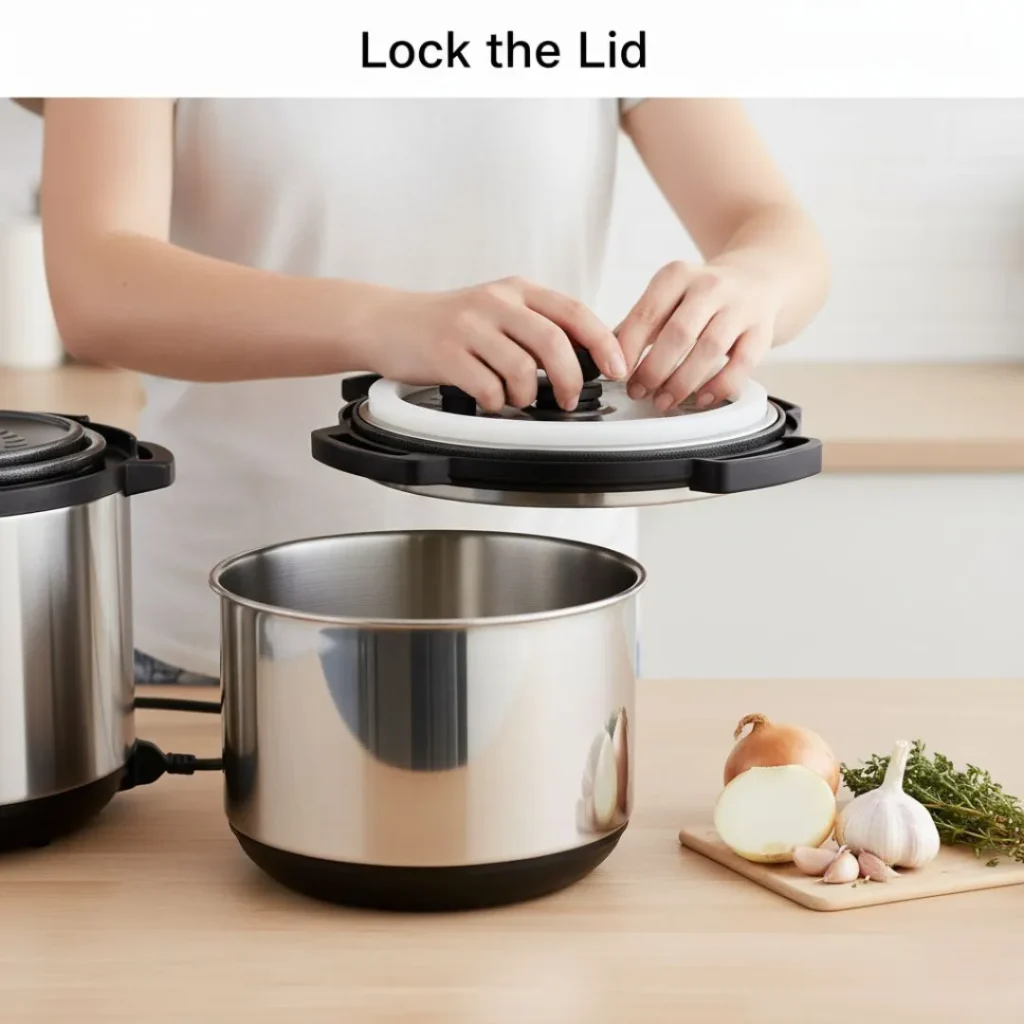
Step 2: Lock the Lid
Place the lid on the pot and turn it until it clicks or the arrows line up. This ensures it’s locked securely. If it doesn’t feel right, don’t force it; just lift and try again.
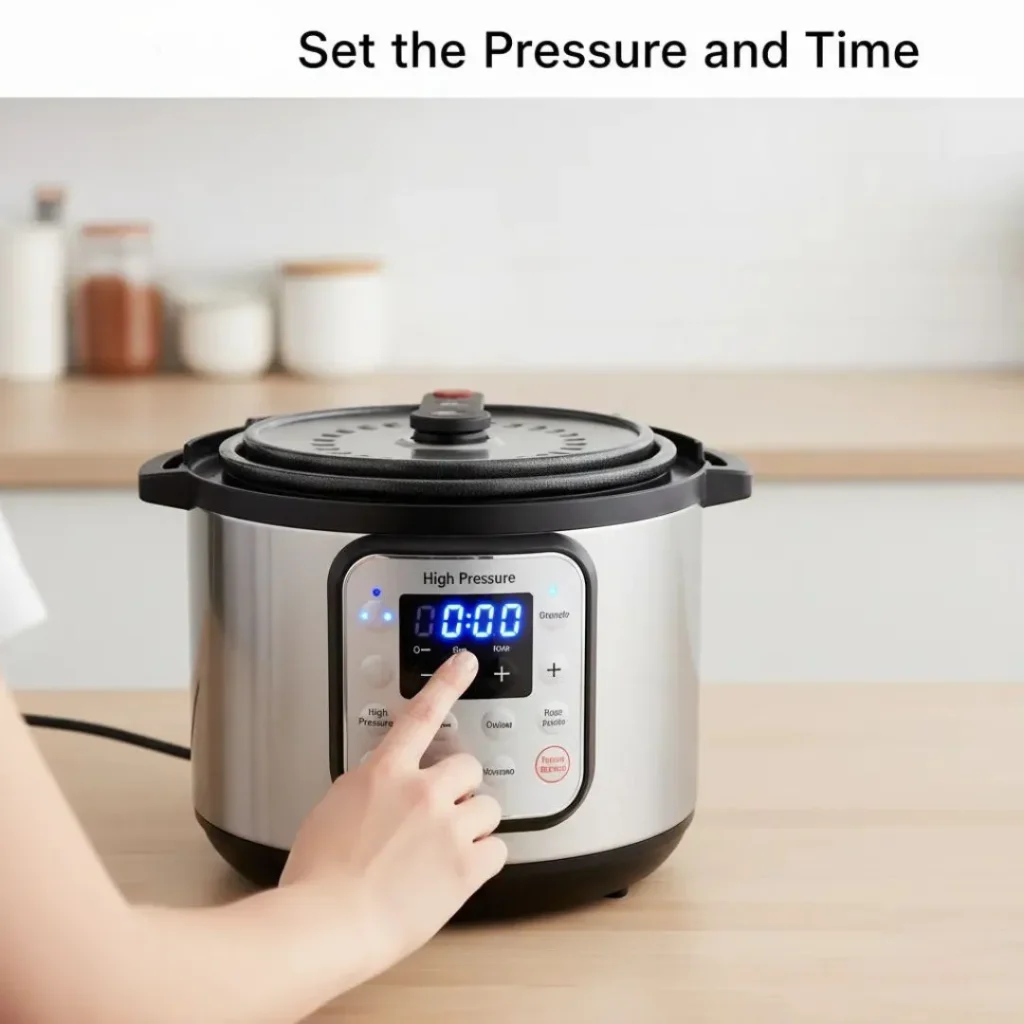
Step 3: Set the Pressure and Time
- For Electric Cookers: Select your pressure level (typically High or Low). For most recipes, you’ll use High Pressure. Then, set the cooking time using the “+” and “-” buttons.
- For Stovetop Cookers: Place it on a burner set to high heat. Once it comes to pressure (steam will shoot steadily from the valve), place the weighted regulator on the valve. Then, immediately reduce the heat to low-medium to maintain a gentle, steady rocking motion. Start your timer now.
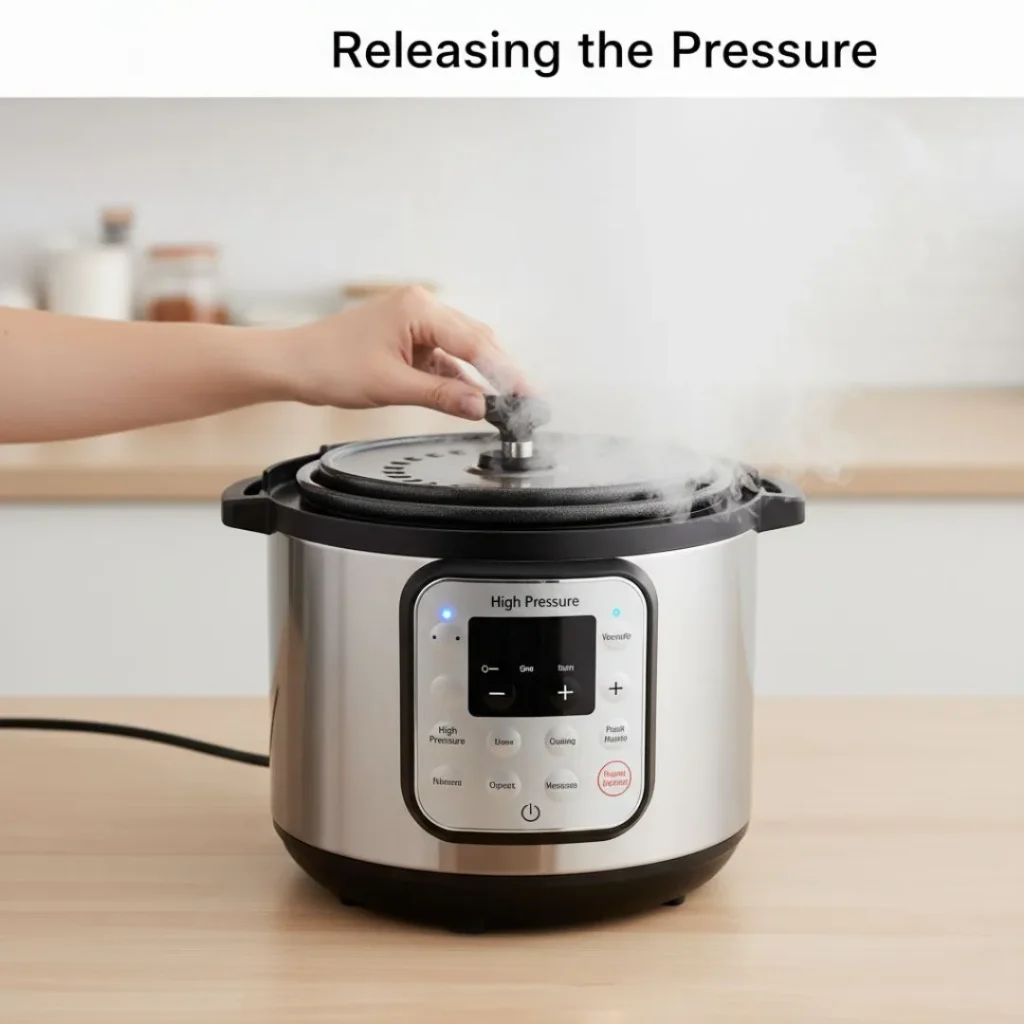
Step 4: Releasing the Pressure (This is the part that worries everyone!)
When the timer beeps, the pressure inside is still extremely high and dangerous. You must release this pressure before opening the lid. There are two safe methods:
- Natural Release (NR): Just turn off the heat (or let the electric cooker sit). The pressure will drop slowly as the pot cools down. This can take 10-30 minutes. The float valve will drop when it’s safe. Use this for foods with a lot of liquid (like soups) or large cuts of meat to keep them tender.
- Quick Release (QR): Carefully move the steam release handle to the “Venting” position. Steam will shoot out forcefully from the valve for a minute or two. Once the hissing stops and the float valve drops, the pressure is gone. Use this for vegetables or delicate foods to stop them from overcooking.
A vital safety note: Never use a Quick Release for starchy foods like pasta, oatmeal, or thick potages, as the sudden pressure change can cause the liquid to foam and clog the release valve. Always use a Natural Release for these.
Step 5: Open Carefully and Enjoy!
After the float valve has dropped, you can unlock and open the lid, tilting it away from your face to avoid any residual steam. Your food is ready!
Frequently Asked Questions for How to Use a Pressure Cooker?
I’m scared it will explode. Is it really safe?
Yes, modern pressure cookers are engineered with multiple, redundant safety features. They have locking mechanisms that prevent opening under pressure, pressure release valves as a primary vent, and often a backup vent or a fuse that melts if the others were to fail. As long as you keep the valves clean and use the cooker correctly, it is very safe.
Why won’t my pressure cooker pressurize?
The most common culprit is a poorly sealed lid. Check that the sealing ring is clean, properly seated, and not damaged. Also, ensure you have enough liquid. If the lid isn’t locked correctly, it won’t build pressure.
Can I open it to check on the food?
No. Once it’s pressurized and cooking, you cannot open the lid until the pressure is fully released. This is part of the “set-it-and-forget-it” benefit—you have to trust the process and the timer.
Why is my food burning on the bottom?
This “BURN” message on electric models usually happens with thick sauces, dairy, or tomatoes added before pressurizing. To prevent this, add these ingredients last, on top of other ingredients, without stirring. Deglazing the pot after sautéing (adding a little liquid and scraping the browned bits) also helps immensely.
How do I clean and maintain my pressure cooker?
The inner pot and lid (except the electrical base!) are usually dishwasher safe, but handwashing is best for the lid and sealing ring to preserve their life. The sealing ring should be washed and air-dried. Check the pressure release valve for food debris by cleaning it according to your manual. For detailed cleaning guides, the University of Nebraska-Lincoln’s Food Safety website is a fantastic external resource.
Moving Beyond the Basics: Pro Tips for Better Results
Once you’re comfortable with the basics, these small tips will make a huge difference in your results.
- Sauté First: Most electric pressure cookers have a sauté function. Use it! Browning your meat and onions before pressure cooking builds a deep, rich flavor base you can’t get any other way.
- The Pot-in-Pot (PIP) Method: This is a brilliant technique for cooking smaller dishes or foods that shouldn’t sit in the main liquid. Place a heat-safe bowl (like a Pyrex) on a trivet with a cup of water underneath it. You can cook rice, quinoa, or even a small dessert cheesecake this way without dirtying the main pot.
- Don’t Overfill: There’s a “max fill” line inside your inner pot for a reason. For foods that expand (like rice and beans), don’t fill past the halfway mark. For other foods, stay below the two-thirds line.
- Account for Liquid Reduction: Unlike slow cooking, very little liquid evaporates in a pressure cooker. You’ll often end up with more liquid than you started with. If your sauce is too thin after cooking, use the sauté function to simmer and reduce it to your desired consistency.
As culinary expert and author Lorna Sass, who championed modern pressure cooking, said, “The pressure cooker is the original fast-food appliance, but one that turns out deeply flavored, home-cooked meals.”
What to Cook in Your Pressure Cooker? Let’s Get Inspired!
The possibilities are almost endless. Here are some ideas to get you started:
- From Scratch in Minutes: Black beans, chickpeas, pinto beans.
- Comfort Food Classics: Beef stew, pulled pork, whole chicken, mashed potatoes.
- Speedy Soups: Lentil soup, chicken noodle soup, creamy potato soup.
- Grains & Sides: Perfect brown rice, steel-cut oats, quinoa.
- Surprising Desserts: Cheesecake, rice pudding, poached pears.
Julia Child, while known for classic techniques, appreciated efficiency, once remarking, “You don’t have to cook fancy or complicated masterpieces – just good food from fresh ingredients.” The pressure cooker is the ultimate tool for this very philosophy.
Conclusion: You’ve Got This!
That intimidating box on your counter is not a threat; it’s your new best friend in the kitchen. It’s a tool for freedom—freeing up your time, your energy, and your creativity. It encourages you to cook with whole ingredients and sit down to a home-cooked meal even on the busiest of weeknights.
Start with a simple recipe you know well, like a basic soup or a pot of beans. Follow the steps, respect the safety rules, and be prepared to be amazed. You’ll quickly build the confidence to try more. Welcome to the wonderful world of pressure cooking. Your future self, enjoying a delicious, home-cooked meal on a Tuesday night, will thank you for taking the leap. Happy cooking