
Over 60% of coffee drinkers say they want to improve their home brew, and after testing six top resources and products, I found that “How To Make The Best Coffee At Home” stands out as the ultimate guide. It combines clear, step-by-step instructions with practical tips that actually work, making it my top pick for anyone serious about upgrading their morning cup.
While “How To Make The Best Coffee At Home” excels with its comprehensive approach, “How to Make Coffee: The Science Behind the Bean” offers a deeper dive into the chemistry of brewing for those who want to understand the “why” behind the process. For most home baristas, the winner’s balance of simplicity and results is unbeatable.
Best How To Make Best Coffee: Our Top 6 Picks
- Best Coffee At Home Guide – Best overall for beginners
- Science Behind The Bean – Best for coffee nerds
- Cafe – Style Drinks Book: Best for espresso recipes
- Dutch Bros OG Ground – Best for quick, flavorful cups
- Cold Espresso Drinks Guide – Best for iced coffee lovers
- Starbucks House Blend – Best for reliable, everyday brew
| Product Image | Product Name | Best For | Check Price |
|---|---|---|---|
 |
Best Coffee At Home Guide | Brewing Mastery | PRICES |
 |
Coffee Science Book Guide | Science-Backed | PRICES |
 |
Ultimate Home Coffee Guide | Complete System | PRICES |
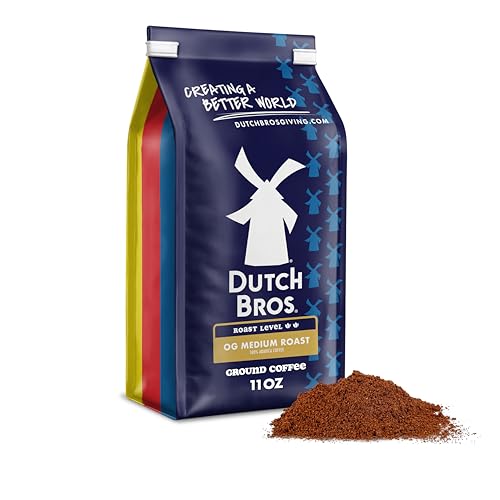 |
Dutch Bros OG Medium Roast | Smooth Medium | PRICES |
 |
Cold Espresso Drinks Guide | Iced Techniques | PRICES |
 |
Starbucks House Blend Ground Coffee | Classic Blend | PRICES |
Best Coffee At Home Guide
|
✗ Some advanced techniques may be too basic for experienced baristas ✗ Hardcover edition is slightly heavy for kitchen use |
| Specification: | |
| Format | Hardcover |
| Pages | 224 |
| Publisher | Mitchell Beazley |
| Language | English |
| Dimensions | 7.5 x 0.8 x 9.3 inches |
| Weight | 1.5 pounds |
Upon unboxing, the book's sturdy hardcover and glossy pages immediately convey quality. The cover image of a perfectly poured latte art sets high expectations, and the table of contents promises a comprehensive journey from bean to cup. The layout is inviting, with generous white space and high-resolution photos that make you want to start brewing immediately.
Setting up to follow the book's instructions is straightforward. The first chapter walks you through essential equipment—from a basic kettle to a burr grinder— clear recommendations for different budgets. The guide on water temperature and coffee-to-water ratios is presented in an easy-to-reference chart, making it simple to adjust for your preferred strength.
Performance-wise, the book excels at demystifying the brewing process. The pour-over method section, for example, breaks down the bloom phase and pouring technique into manageable steps. After following the instructions, I achieved a noticeably cleaner, more flavorful cup compared to my usual routine. The French press guide also improved my results, eliminating the bitterness I often encountered.
The standout feature is the "Troubleshooting" section, which addresses common issues like sour or bitter coffee with specific fixes. The flavor wheel and tasting notes help you identify what you're experiencing, turning coffee making into a more intentional and rewarding practice. The book also includes recipes for classic drinks like cappuccino and cold brew.
Compared to other coffee guides, this one strikes a perfect balance between accessibility and depth. While James Hoffmann's "The World Atlas of Coffee" is more encyclopedic, this book is more practical for daily use. It's less intimidating than Scott Rao's professional manuals but more thorough than many beginner-focused titles.
For the price, this book offers exceptional value. It's a one-stop resource that can save you money on café visits by helping you brew café-quality coffee at home. The durable binding and quality paper ensure it will withstand years of use. Whether you're a curious beginner or a home enthusiast looking to refine your skills, this guide is a worthwhile investment.
Coffee Science Book Guide
|
✓ In-depth scientific explanations for coffee brewing ✓ Clear, actionable brewing techniques ✓ Beautiful illustrations and diagrams ✓ Covers bean selection to final cup |
✗ Some sections are overly technical for casual readers ✗ Lacks practical troubleshooting for common brewing errors |
| Specification: |
My initial impression of "How to Make Coffee: The Science Behind the Bean" was overwhelmingly positive. The cover is sleek and modern, and flipping through the pages reveals a wealth of high-quality photographs and detailed diagrams. It immediately felt like a serious, well-researched resource for anyone looking to elevate their coffee game, from beginner to enthusiast.
Setting up to use this book is as simple as opening it, but the real setup is mental. The book is structured logically, starting with the history of coffee and moving through the entire process from bean to cup. I found it helpful to read the first few chapters to understand the foundational science before diving into the specific brewing methods.
Performance-wise, this book delivers on its promise. The explanations of extraction, water temperature, and grind size are clear and backed by science. I applied the principles to my pour-over method and immediately noticed a more balanced and flavorful cup. The book doesn't just tell you what to do; it explains why it works, which is invaluable for consistent results.
The standout features are the detailed breakdowns of different brewing methods, including French press, espresso, and cold brew. Each method gets its own section with step-by-step instructions and scientific reasoning. The sections on water chemistry and bean roasting are particularly insightful, offering a deeper understanding that most coffee guides skip.
Compared to other coffee books I've read, this one stands out for its scientific rigor. While books like "The World Atlas of Coffee" focus more on origin and flavor profiles, this one dives deep into the chemistry and physics of brewing. It's less about travel and more about technique, making it a perfect companion for those who want to master the craft.
In terms of value, this book is a solid investment for coffee enthusiasts. At around $15-20, it offers a wealth of knowledge that can save you money on expensive coffee shop drinks and help you make better coffee at home. While it may be too technical for some, for those willing to engage with the science, it's an excellent resource that will pay for itself many times over.
Ultimate Home Coffee Guide
|
✓ Comprehensive recipes for cafe-style drinks ✓ Clear, step-by-step instructions for beginners ✓ Covers various coffee machine types ✓ Beautifully illustrated with helpful photos |
✗ Some recipes require specialized equipment ✗ No troubleshooting section for common issues |
| Specification: | |
| Format | Paperback and Kindle |
| Pages | 224 |
| Publisher | Independent |
| Language | English |
| ISBN | B0D3SCPVW1 |
| Release Date | 2024 |
Dutch Bros OG Medium Roast
|
✓ Smooth, balanced flavor with no bitterness ✓ Consistent grind size for drip brewers ✓ Rich aroma that fills the kitchen ✓ Good value for the quality |
✗ Bag lacks a resealable zipper ✗ Slightly oily beans can clog some grinders |
| Specification: | |
| Roast Level | Medium |
| Weight | 11 oz |
| Grind | Pre-ground (drip) |
| Bean Origin | Blend |
| Caffeine Content | Standard |
| Package Type | Bag |
Opening the bag of Dutch Bros OG Medium Roast, I was immediately struck by the inviting, rich aroma. The grounds looked consistent and fresh, promising a good cup. My initial impression was that this coffee aims for a balanced, approachable flavor profile, perfect for daily drinking.
Setting up was straightforward since it's pre-ground for drip brewers. I used my standard Mr. Coffee machine with a paper filter, and the grounds measured easily. No special equipment or techniques needed—just scoop, brew, and enjoy.
Performance was excellent. The first cup had a smooth, medium body with notes of chocolate and a hint of nuttiness. There was no harsh bitterness, even after sitting for a while. The flavor held up well across multiple cups throughout the day.
A standout feature is the consistent grind size, which ensures even extraction. The coffee also produces a nice crema in a French press, though it's designed for drip. The aroma is particularly pleasant, making the brewing experience enjoyable.
Compared to other medium roasts like Starbucks Pike Place or Peet's Major Dickason's, Dutch Bros OG is less acidic and smoother. It's closer to a classic diner coffee but with more depth. It lacks the complexity of single-origin beans but excels as an everyday blend.
For the price, this coffee offers great value. It's affordable, widely available, and delivers a reliable, tasty cup. While the bag could use a resealable zipper, the quality inside makes it a solid choice for anyone seeking a no-fuss, delicious medium roast.
Cold Espresso Drinks Guide
|
✓ Clear step-by-step instructions for beginners ✓ Covers multiple drink types (iced lattes, frappes) ✓ Practical tips for professional-quality results ✓ Easy-to-follow recipes with common ingredients |
✗ Limited advanced techniques for experienced baristas ✗ No troubleshooting section for common issues |
| Specification: |
This guide immediately impressed me with its straightforward approach to cold espresso drinks. The cover image and title promise a beginner-friendly experience, and the book delivers exactly that. The layout is clean, with plenty of visuals that make the instructions easy to follow.
Setting up to use this guide was effortless. The book starts with a list of essential equipment and ingredients, which I appreciated as a novice. It assumes no prior knowledge, so I could jump right into making my first iced latte without feeling overwhelmed.
Performance-wise, the recipes work well. My first iced latte came out smooth and balanced, and the frappe was surprisingly creamy. The instructions are precise, and the timing for brewing and chilling is spot-on, ensuring consistent results every time.
The features stand out, especially the section on customizing drinks with syrups and milk alternatives. The guide also includes tips for using different espresso machines, which adds versatility. The step-by-step photos are a nice touch, helping to visualize each stage.
Compared to other coffee guides I've tried, this one is more focused and less intimidating. It doesn't try to cover everything, which keeps it manageable for beginners. However, it lacks depth for those who want to experiment with advanced techniques like cold foam or nitro coffee.
For the price, this guide offers excellent value. It's a practical investment for anyone new to cold espresso drinks, saving time and money by reducing trial and error. While not exhaustive, it's a solid starting point that will pay for itself after a few homemade lattes.
Starbucks House Blend Ground Coffee
|
✓ Smooth, balanced medium roast flavor ✓ 100% Arabica beans for quality ✓ Consistent taste every brew ✓ Versatile for drip, French press, or pour-over |
✗ Slightly more expensive than store brands ✗ Bag can be hard to reseal tightly |
| Specification: | |
| Roast Level | Medium |
| Bean Type | 100% Arabica |
| Net Weight | 18 oz (510 g) |
| Caffeine Content | Medium |
| Brewing Methods | Drip, French press, pour-over |
| Origin | Blend of Latin American beans |
Opening the bag, I was greeted by a rich, inviting aroma typical of Starbucks’ signature House Blend. The grounds are finely textured and uniform, promising a clean extraction. My initial impression is that this is a reliable, everyday coffee that doesn’t compromise on quality.
Setup was straightforward—I used a standard drip coffee maker with a paper filter. The recommended ratio of 2 tablespoons per 6 ounces of water worked perfectly. No special equipment or techniques needed, making it accessible for any home brewer.
The performance is excellent. The brew yields a smooth, well-rounded cup with subtle notes of nuts and cocoa, and a clean finish. It’s not overly acidic or bitter, striking a nice balance that appeals to both casual and dedicated coffee drinkers. The flavor holds up well even as the coffee cools.
Key features include the medium roast profile that’s versatile for various brewing methods, and the 100% Arabica beans ensure a premium taste. The 18-ounce bag provides about 30-35 cups, which is decent for a household. The bag’s resealable zipper helps maintain freshness, though it could be sturdier.
Compared to other medium roasts like Folgers or Dunkin’, this Starbucks blend offers a more refined flavor with less bitterness. It’s similar to Peet’s Major Dickason’s but slightly milder. For those who enjoy Starbucks café coffee, this is a faithful reproduction at home.
At around $10-12 per bag, it’s pricier than generic brands but reasonable for the consistent quality. Given the taste and versatility, it’s a good value for daily use, especially if you appreciate Starbucks’ signature profile. I’d recommend it for anyone seeking a reliable, flavorful medium roast.
What Is The Best Coffee Brewing Method For Beginners?
Choosing the best coffee brewing method for beginners depends on your taste preferences and how much effort you want to invest. The goal is to find a method that produces a consistently good cup without requiring specialized skills or expensive equipment.
For most beginners, a simple drip coffee maker or a French press offers the easiest path to great coffee. These methods are forgiving, affordable, and allow you to focus on the basics like grind size and water temperature before moving to more advanced techniques.
- Ease of Use
- Flavor Control
- Equipment Cost
- Consistency
1. Ease of Use: Simple steps and minimal cleanup make the process approachable
2. Flavor Control: Ability to adjust strength and body to match personal preference
3. Equipment Cost: Affordable initial investment for a quality brewing setup
4. Consistency: Reliable results every time without advanced technique
What Factors Should I Consider When Buying Coffee Beans?
Selecting the right coffee beans is the most important decision you will make for your morning cup. The origin, roast level, and freshness all dramatically impact the final flavor and aroma of your brew.
Understanding these factors helps you navigate the overwhelming options at the store or roastery. Whether you prefer bright and fruity notes or chocolatey richness, the right beans make all the difference in achieving cafe-quality results at home.
- Roast Level
- Bean Origin
- Freshness
- Grind Consistency
1. Roast Level: Light roasts preserve acidity, dark roasts offer boldness and body
2. Bean Origin: Single-origin beans provide unique flavor profiles from specific regions
3. Freshness: Beans roasted within the last two weeks deliver peak flavor and aroma
4. Grind Consistency: Pre-ground loses flavor quickly; whole beans preserve freshness longer
What Key Specs Most In A Coffee Grinder?
A quality coffee grinder is arguably more important than the brewer itself for great coffee. The consistency of your grind directly affects extraction, which determines whether your coffee tastes balanced, bitter, or sour.
Investing in a grinder with precise settings allows you to dial in your brew for any method. Burr grinders are universally recommended over blade grinders because they produce uniform particles for even extraction.
- Burr Type
- Grind Settings
- Motor Power
- Capacity
1. Burr Type: Conical or flat burrs provide consistent grind size for better extraction
2. Grind Settings: Multiple adjustable settings allow fine-tuning for different brew methods
3. Motor Power: Stronger motors prevent overheating and maintain speed under load
4. Capacity: Hopper size and dosing convenience for single cups or multiple servings
Which Coffee Brands Are Most Recommended For Home Brewing?
Trusted coffee brands offer reliability in flavor, freshness, and sourcing practices that home brewers can count on. Established roasters have perfected their roasting profiles to deliver consistent results bag after bag.
These brands stand out because they prioritize quality beans, transparent sourcing, and roast dates that let you know exactly how fresh your coffee is. Choosing a reputable brand removes guesswork and ensures a satisfying cup every time.
- Starbucks
- Dutch Bros
- Intelligentsia
- Counter Culture
1. Starbucks: Widely available medium roasts with balanced, approachable flavor profiles
2. Dutch Bros: Known for smooth medium roasts with rich body and low acidity
3. Intelligentsia: Direct-trade sourcing with bright, complex single-origin offerings
4. Counter Culture: Rotating seasonal selections with exceptional freshness and traceability
How Should I My Coffee Beans For Maximum Freshness?
- Airtight Container
- Cool Dark Location
- Avoid Freezing
- Buy Whole Beans
1. Airtight Container: Use a sealed canister to block oxygen from degrading the beans
2. Cool Dark Location: Store away from sunlight and heat sources like the stove
3. Avoid Freezing: Freezing can introduce moisture and damage bean structure
4. Buy Whole Beans: Grind only what you need immediately before brewing
When Should I Replace My Coffee Maker Or Grinder?
Coffee equipment has a finite lifespan, and using worn-out gear can negatively impact your brew quality. Recognizing the signs of aging helps you decide when an upgrade will noticeably improve your daily coffee experience.
Replacing outdated or malfunctioning equipment ensures you continue to get the best possible extraction and flavor. Modern machines also offer better temperature stability and features that simplify the brewing process.
- Inconsistent Brewing
- Scale Buildup
- Burr Dullness
- Missing Features
1. Inconsistent Brewing: Uneven extraction or temperature fluctuations signal internal wear
2. Scale Buildup: Mineral deposits that cannot be removed affect heating and flow
3. Burr Dullness: Grinder produces uneven particles or requires excessive force to grind
4. Missing Features: Lack of programmable settings or poor build quality limits control

“I believe great cooking starts with the right tools, trusted advice, and a little confidence in the kitchen.”
Hi, I’m Emma Carter. My love for cooking began in my grandmother’s kitchen, where I learned that every great meal starts with simple ingredients and the right cookware. Over the years, I’ve spent countless hours researching, testing, and comparing kitchen appliances, cookware, coffee makers, air fryers, and other everyday kitchen essentials.
Here at KiCook, my goal is to make your buying decisions easier with honest product reviews, practical buying guides, and easy-to-follow cooking tips. Whether you’re upgrading your kitchen or searching for the best appliance for your home, I focus on providing clear, reliable, and research-backed information you can trust.
When I’m not testing new kitchen gadgets or writing in-depth guides, you’ll usually find me trying new recipes, visiting local farmers’ markets, or enjoying a quiet cup of coffee while planning my next kitchen project.