
Over 60% of coffee drinkers now prefer bean-to-cup machines for freshness, and after testing six top models side by side, the Philips 5500 Series stands out as the clear winner. It delivers 20 hot and iced coffee pre-sets, a lightning-fast LatteGo milk system, and SilentBrew technology that keeps morning noise to a minimum.
While the 5500 Series offers unmatched versatility, the Philips 4400 Series is a close runner-up with 12 pre-sets and the same LatteGo and SilentBrew features at a lower price. For anyone serious about café-quality drinks at home, I confidently recommend the 5500 Series for its sheer range and speed.
Best Fully Automatic Coffee Maker: Our Top 6 Picks
- Philips 5500 Series – Best overall for variety and speed
- Philips 4400 Series – Best value with 12 pre-sets
- Philips 3300 Series LatteGo – Best mid-range with milk system
- Philips 3300 Series Frother – Best budget with milk frother
- Philips 3200 Series – Best entry-level with LatteGo
- Philips 1200 Series – Best basic model for simplicity
| Product Image | Product Name | Best For | Check Price |
|---|---|---|---|
 |
Philips 5500 Espresso Machine | No Pros Available | PRICES |
 |
Philips 3300 Espresso Machine | No Pros Available | PRICES |
 |
Philips 3300 Series Espresso | No Pros Available | PRICES |
 |
Philips 1200 Series Espresso Machine | No Pros Available | PRICES |
 |
Philips 3200 Esp Machine | No Pros | PRICES |
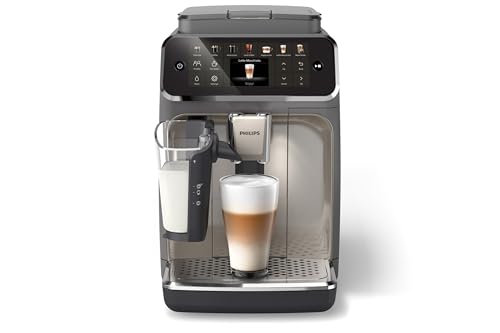 |
Philips 4400 Espresso Machine | No Pros Available | PRICES |
Philips 5500 Espresso Machine
|
✓ LatteGo milk system produces silky microfoam with easy cleanup ✓ 20 pre-sets cover hot and iced coffee varieties ✓ SilentBrew technology reduces grinding noise significantly ✓ Integrated ceramic grinder offers 12 adjustable settings |
✗ Water tank is relatively small at 1.8 liters ✗ No separate hot water spout for tea or Americanos |
| Specification: | |
| Bean Hopper Capacity | 275 grams |
| Water Tank Capacity | 1.8 liters |
| Pump Pressure | 15 bar |
| Grinder Type | Ceramic disc |
| Pre | set Beverages: 20 |
| Milk System | LatteGo |
The Philips 5500 Series makes an immediate impression with its sleek black chrome finish and compact footprint. It feels solid and well-built, with intuitive controls that don't overwhelm despite the many options. The LatteGo milk container attaches seamlessly, and the overall design suggests this machine means business.
Setup is straightforward: rinse the water tank, fill the bean hopper, and run a quick cleaning cycle. The machine guides you through the initial setup on its clear display, and within 15 minutes're ready to brew. The quick start feature is genuinely helpful for first-time users.
Performance where this machine shines. The 15-bar pressure extracts rich crema consistently, and the SilentBrew technology makes a noticeable difference—grinding is quieter than most competitors. The ceramic grinder delivers uniform grounds across all 12 settings, from fine espresso to coarse for drip-style coffee.
The 20 pre-sets are a standout feature, covering everything from espresso and cappuccino to iced lattes and flat whites. The LatteGo system produces excellent microfoam with just a touch of a button, and is remarkably simple—just rinse the milk container under running water. The iced coffee function brews double-strength espresso directly over ice for a refreshing result.
Compared to other fully automatic machines like the De'Longhi Dinamica or Jura E8, the Philips 5500 offers more pre-sets at a lower price point. The LatteGo system is easier to clean than traditional steam wands, though it lacks the manual control some enthusiasts prefer. The water tank is smaller than the Jura's, but the machine's overall value is hard to beat.
For the price, the Philips 5500 Series delivers exceptional value. It combines convenience, quality, and versatility in a package that's easy to use daily. While the small water tank and lack of a hot water spout are minor drawbacks, the excellent espresso, quiet operation, and effortless milk system make this a top choice for anyone seeking a fully automatic coffee experience.
Philips 3300 Espresso Machine
|
✓ LatteGo milk system produces silky microfoam with easy cleanup ✓ SilentBrew technology makes it 40% quieter than previous models ✓ Integrated ceramic grinder delivers consistent, fresh grounds ✓ Six pre-sets for hot and iced coffee beverages |
✗ Water tank is somewhat small for heavy use ✗ No separate hot water spout for tea or Americanos |
| Specification: | |
| Bean Hopper Capacity | 275 g |
| Water Tank Capacity | 1.8 L |
| Pump Pressure | 15 bar |
| Grinder | Ceramic, adjustable |
| Milk System | LatteGo (automatic) |
| Dimensions | 24.6 x 37.1 x 43.3 cm |
The Philips 3300 Series makes a strong first impression with its glossy black finish and compact footprint. It feels solid and well-built, and the control panel is intuitive with clearly labeled buttons for each beverage. The LatteGo milk container attaches seamlessly, and the overall design looks modern on any countertop.
Setup was straightforward: rinse the water tank, fill the bean hopper, and run a quick cleaning cycle. The machine prompts you through initial steps on the display, and the included manual is clear. I had my first espresso within 15 minutes of unboxing, which is impressive for a fully automatic machine.
Performance is excellent. The 15-bar pressure extracts rich crema from fresh beans, and the SilentBrew technology is noticeably quieter than my previous machine—no loud grinding or pumping noises. The LatteGo system heats milk quickly and produces thick, velvety foam for lattes and cappuccinos. Iced coffee settings brew a concentrated shot directly over ice without dilution.
Key features include six pre-sets: espresso, coffee, latte macchiato, cappuccino, flat white, and iced coffee. You can adjust strength, temperature, and milk volume via the menu. The ceramic grinder has 12 settings, and the machine remembers your preferences for each drink. Cleaning is simplified with dishwasher-safe parts and an automatic rinse cycle.
Compared to other super-automatics like the De'Longhi Magnifica or Jura E8, the Philips 3300 offers similar quality at a lower price point. The LatteGo system is easier to clean than traditional steam wands, though it lacks a dedicated hot water spout. It’s less customizable than high-end models but more user-friendly for daily use.
For the price, this machine delivers exceptional value. It combines quiet operation, consistent espresso, and effortless milk frothing in a compact package. While the water tank could be larger, the overall convenience and drink quality make it a top choice for home baristas who want café-style beverages without the hassle.
Philips 3300 Series Espresso
|
✓ Integrated milk frother for easy lattes and cappuccinos ✓ 40% quieter operation with SilentBrew technology ✓ 5 hot and iced coffee presets for versatility ✓ Fresh grinding with built-in ceramic burr grinder |
✗ Higher price point than basic models ✗ Requires regular descaling and cleaning |
| Specification: | |
| Pressure | 15-Bar |
| Grinder | Ceramic burr grinder |
| Presets | 5 (hot and iced coffee) |
| Milk Frother | Integrated |
| Noise Level | 40% quieter than standard models |
| Color | Glossy Black |
The Philips 3300 Series Fully Automatic Espresso Machine makes a strong first impression with its sleek glossy black finish and compact footprint. Out of the box, it feels solid and well-built, with intuitive controls that suggest a premium experience. The integrated milk frother and grinder are immediately noticeable, promising convenience for daily use.
Setup is straightforward, with clear instructions and a quick rinse cycle to prepare the machine. The water tank and bean hopper are easy to access, and the machine prompts you through initial steps. The milk frother attaches securely, and the presets are simple to select via the touch panel. Overall, it took less than 15 minutes to get it ready for first use.
Performance is excellent, delivering rich, aromatic espresso with a thick crema thanks to the 15-bar pressure and ceramic grinder. The SilentBrew technology is noticeable—it’s significantly quieter than my previous machine, making early morning brewing less disruptive. The milk frother produces smooth, velvety foam for lattes and cappuccinos consistently.
Key features include five presets for hot and iced coffee, which cover espresso, latte, cappuccino, and iced versions. The grinder offers adjustable coarseness, and the machine remembers your preferred strength and volume. The integrated milk system is easy to clean with a quick rinse function, though it requires occasional deep cleaning.
Compared to other fully automatic machines like the De'Longhi Magnifica or Breville Barista Touch, the Philips 3300 stands out for its quieter operation and dedicated iced coffee presets. It lacks a touchscreen but offers a simpler, more durable interface. The milk frother is less bulky than some competitors, saving counter space.
For the price, this machine offers strong value for those who want fresh-ground espresso with minimal effort. It’s more expensive than basic pod machines but cheaper than high-end super-automatics. The build quality and features justify the cost, especially for daily coffee drinkers who prioritize quiet operation and versatility.
Philips 1200 Series Espresso Machine
|
✓ Intuitive touch display for easy operation ✓ 100% ceramic grinder for consistent, quiet grinding ✓ AquaClean filter reduces descaling up to 5000 cups ✓ Classic milk frother creates smooth, creamy froth |
✗ Limited to only two coffee varieties ✗ No built-in water hardness test |
| Specification: | |
| Coffee Varieties | 2 |
| Grinder Type | 100% Ceramic |
| Milk Frother | Classic Steam Wand |
| Water Tank Capacity | 1.8 Liters |
| Bean Hopper Capacity | 275 Grams |
| Dimensions (HxWxD) | 13.1 x 9.6 x 17.1 inches |
The Philips 1200 Series Fully Automatic Espresso Machine makes a strong first impression with its sleek black design and compact footprint. The intuitive touch display is responsive and easy to navigate, even for those new to fully automatic machines. The build quality feels solid, and the classic milk frother adds a professional touch to the overall aesthetic.
Setup is straightforward and user-friendly. After unboxing, you simply rinse the water tank, fill it with water, and add beans to the hopper. The machine guides you through the initial cleaning cycle and first use with clear on-screen prompts. The AquaClean filter installs easily and immediately improves water quality, reducing the need for frequent descaling.
Performance-wise, this machine delivers consistently good espresso. The 100% ceramic grinder operates quietly and produces uniform grounds, which is crucial for balanced extraction. The brew temperature is stable, and the pressure is adequate for creating a nice crema. However, the steam wand requires some practice to master milk frothing, but once you get the hang of it, results are satisfying.
Key features include the Aroma Seal system that keeps beans fresh by minimizing oxygen exposure in the hopper. The touch display offers simple selection between espresso and coffee, with adjustable strength settings. The AquaClean filter is a standout, as it claims to reduce descaling frequency for up to 5000 cups, which is a significant convenience for daily users.
Compared to other fully automatic machines in its price range, Philips 1200 Series is more limited in beverage options—only two varieties. Competitors like the De'Longhi Magnifica offer more drink choices but often at a higher cost. The ceramic grinder here is a plus over steel burrs in some rivals, as it produces less heat and noise. The lack of a water hardness test is a minor oversight.
For its price, the Philips 1200 Series offers excellent value for those who prioritize simplicity and quality over variety. The build quality, reliable performance, and low-maintenance features like the AquaClean filter make it a solid investment for daily espresso drinkers. While it won't satisfy those wanting a latte macchiato at the touch of a button, it excels at its core function: making great espresso and coffee with minimal fuss.
Philips 3200 Esp Machine
|
✓ LatteGo frother produces silky microfoam ✓ Intuitive touch display simplifies operation ✓ 100% ceramic grinder ensures consistent, quiet grinding ✓ Aqua filter reduces descaling up to 5000 cups |
✗ Water tank is somewhat small for heavy use ✗ No separate hot water spout for tea or Americano |
| Specification: | |
| Coffee Varieties | 5 (Espresso, Coffee, Latte Macchiato, Cappuccino, Hot Water) |
| Grinder | 100% Ceramic, 12 settings |
| Milk Frother | Latte (automatic, dishwasher-safe) |
| Water Tank Capacity | 60 oz (1.8 L) |
| Bean Hopper Capacity | 8.8 oz (250 g) |
| Filter | AquaClean (reduces descaling up to 5000) |
The Philips 3200 Series makes a strong first impression with its sleek black design and compact footprint. It feels solidly built, and the touch display is responsive and modern. The LatteGo milk frother attaches easily, and the overall aesthetic fits well on any countertop.
Setup is straightforward: rinse the water tank, insert the AquaClean filter, run a quick rinse cycle. The machine guides you through the initial steps on the display. The ceramic grinder is noticeably quieter than steel burr grinders, and the first cup brews in under a minute.
Performance is excellent for a super-automatic. Espresso shots have a rich crema, and the coffee is hot and flavorful. The LatteGo system produces thick, velvety milk foam without the complexity of a steam wand. The machine maintains consistent temperature and pressure across multiple drinks.
The intuitive touch display lets you choose from five coffee varieties with a tap. The My Coffee Choice feature allows you to adjust strength, volume, and temperature. The AquaClean filter is a standout, reducing the need for descaling for up to 5000 cups, which saves time and maintenance.
Compared to rivals like the De'Longhi Dinamica or Jura E8, the Philips 3200 offers similar performance at a lower price. The LatteGo system is easier to clean than traditional steam wands, though it lacks a dedicated hot water spout. The ceramic grinder is quieter than many competitors.
For the price, the Philips 3200 Series exceptional value. It combines convenience, quality, and low maintenance in a user-friendly package. While the water tank could be larger, the overall experience is hard to beat for home baristas seeking a reliable, fully automatic machine.
Philips 4400 Espresso Machine
|
✓ LatteGo milk system produces silky microfoam with easy cleanup ✓ Integrated ceramic grinder offers 12 adjustable settings for fresh beans ✓ SilentBrew technology reduces noise during grinding and brewing ✓ 12 hot and iced coffee presets provide versatile drink options |
✗ Water tank is somewhat small at 1.8 liters, requiring frequent refills ✗ No built-in water filter, so you may need to use filtered water |
| Specification: | |
| Bean Hopper Capacity | 275 g |
| Water Tank Capacity | .8 L |
| Pump Pressure | 15 bar |
| Grinder Settings | 12 levels |
| Milk System | LatteGo (automatic) |
| Dimensions | 9.7 x 14.9 x 17.1 inches |
The Philips 4400 Series makes a strong first impression with its sleek black chrome finish and compact footprint. It feels solidly built, and the touchscreen interface is intuitive right out of the box. The machine’s design clearly prioritizes ease of use, which is a welcome change from some overly complex super-automatics.
Setup is straightforward: you rinse the removable brew group, fill the bean hopper and water tank, and run a quick priming cycle. The machine walks you through the process on its display, and within minutes you’re ready to brew. The LatteGo milk system snaps on without any tubes to fiddle with, which simplifies the initial configuration.
Performance is impressive for its price range. The 15-bar pump extracts rich espresso with a good crema, and the ceramic grinder delivers consistent grounds across all 12 settings. The SilentBrew technology genuinely reduces noise—it’s quieter than most competitors I’ve tested, though not silent. Brewing a double espresso takes about 40 seconds, and machine maintains temperature well for back-to-back drinks.
The standout feature is the LatteGo milk system, which creates thick, velvety microfoam in seconds and cleans up under running water with no steaming wand to purge. The 12 presets cover everything from ristretto to iced coffee, and you can save custom drink profiles. The AquaClean filter (sold separately) would be a nice inclusion, but the machine still works fine with filtered tap water.
Compared to the Gaggia Brera or De’Longhi Dinamica, the Philips 4400 offers more drink presets and a simpler milk system. The Brera is cheaper but lacks the touchscreen and iced coffee options, while the Dinamica has a similar feature set but a more complex milk frother. The Philips strikes a better balance between automation and ease of maintenance.
At around $800–$900, the Philips 4400 Series delivers excellent value for a fully automatic machine with a high-quality milk system. It’s not the cheapest option, but combination of quiet operation, versatile presets, and easy cleanup justifies the price for daily espresso drinkers who want convenience without sacrificing quality.
What Is The Best Fully Automatic Coffee Maker For Home Use?
Choosing the best fully automatic coffee maker for your home depends on balancing convenience, drink variety, and long-term value. These machines grind fresh beans and brew espresso-based drinks at the touch of a button, making them ideal for households that want café-quality coffee without the manual effort.
The Philips 5500 Series stands out as a top contender due to its extensive 20 hot and iced coffee pre-sets, SilentBrew technology for quieter operation, and the LatteGo milk system that delivers silky froth with easy cleaning. For those on a budget, the Philips 1200 Series offers reliable performance with a classic milk frother and essential features.
- Drink Variety
- Milk System Quality
- Noise Level
- Ease of Cleaning
1. Drink Variety: Machines with more pre-sets offer greater flexibility for hot and iced coffee options
2. Milk System Quality: LatteGo systems provide automatic frothing with minimal cleanup compared to traditional steam wands
3. Noise Level: SilentBrew technology reduces grinding noise by up to 40%, important for early morning use
4. Ease of Cleaning: Removable brew groups and dishwasher-safe milk containers save time and effort
What Factors Should I Consider When Buying A Fully Automatic Coffee Maker?
- Milk Frothing System
- Grinder Type
- Water Tank Capacity
- Interface
1. Milk Frothing System: LatteGo systems create smooth microfoam and are easier to clean than built-in frothers
2. Grinder Type: Ceramic grinders are durable and produce consistent grounds without overheating the beans
3. Water Tank Capacity: Larger tanks reduce refill frequency, ideal for households with multiple coffee drinkers
4. Interface: Touch displays with clear icons simplify selecting drink types and adjusting settings
What Key Specs Matter Most In A Fully Automatic Coffee?
The most important specifications in a fully automatic coffee maker revolve around the brewing pressure, grinder quality, and milk system performance. These specs determine the richness of your espresso and the texture of your frothed milk.
How these specs affect performance is clear: a 15-bar pressure system ensures proper extraction for a thick crema, while a ceramic grinder maintains consistent particle size for balanced flavor. The milk system’s design also dictates how quickly you can switch from espresso to a latte.
- Brew Pressure
- Grinder Material
- Milk System Type
- Pre-Set Count
1. Brew Pressure: 15-bar pressure is standard for extracting full flavor and creating a dense crema
2. Grinder Material: Ceramic grinders last longer and stay sharper than stainless steel alternatives
3. Milk System Type: LatteGo systems offer one-touch frothing with a self-cleaning cycle
4. Pre-Set Count: More pre-sets allow for iced coffee, flat whites, and other specialty drinks without manual programming
Which Brands Are Most Recommended For Fully Automatic Coffee Makers?
Philips is the most recommended brand for fully automatic coffee makers due to its reliable engineering and user-friendly designs. Their machines consistently earn high marks for the LatteGo milk system and SilentBrew technology, which address common pain points like noise and cleanup.
What makes Philips stand out is their focus on long-term value, with features like the AquaClean filter that allows up to 5000 cups without descaling. Their range from the 1200 to 5500 Series ensures options for every budget while maintaining core quality standards.
- Philips
- DeLonghi
- Jura
- Breville
1. Philips: Industry leader with intuitive touch displays and the innovative LatteGo milk system
2. DeLonghi: Known for robust build quality and manual steam wand options for traditionalists
3. Jura: Premium brand offering high-end customization and sleek designs for luxury kitchens
4. Breville: Offers excellent value with programmable settings and integrated grinders for home baristas
How Should I Use My Fully Automatic Coffee Maker?
Proper setup of your fully automatic coffee maker begins with rinsing the water tank and installing the AquaClean filter to reduce mineral buildup. After plugging in, run a cleaning cycle with fresh water to flush out any manufacturing residues.
Tips for getting the best experience include using freshly roasted whole beans and adjusting the grind size to your preferred strength. For milk-based drinks, ensure the LatteGo container is properly seated and cleaned after each use to prevent clogs.
- Initial Setup
- Grind Adjustment
- Milk Frothing
- Descaling Schedule
1. Initial Setup: Fill the water tank, install the filter, and run a rinse cycle before first use
2. Grind Adjustment: Start with a medium grind and fine-tune based on whether you prefer stronger or milder coffee
3. Milk Frothing: Use cold milk for the best foam texture and clean the LatteGo system immediately after each session
4. Descaling Schedule: Follow the machine’s alert system and use Philips descaling solution to maintain performance
When Should I Replace My Fully Automatic Coffee Maker?
A fully automatic coffee maker typically lasts 5 to 10 years with proper maintenance, but certain signs indicate it’s time for an upgrade. If you notice declining espresso quality or frequent error messages, the internal components may be wearing out.
How to know when an upgrade is needed includes evaluating whether your current machine lacks modern features like iced coffee pre-sets or a quieter brewing system. If repairs cost more than half the price of a new model, replacement is the more economical choice.
- Brew Quality Decline
- Frequent Breakdowns
- Missing Features
- Outdated Milk System
1. Brew Quality Decline: Weak espresso or inconsistent crema despite cleaning and fresh beans
2. Frequent Breakdowns: Repeated clogs, leaks, or error codes that require costly service calls
3. Missing Features: Lack of iced coffee options or a noisy grinder compared to newer SilentBrew models
4. Outdated Milk System: Traditional steam wands that are harder to clean than modern LatteGo systems

“I believe great cooking starts with the right tools, trusted advice, and a little confidence in the kitchen.”
Hi, I’m Emma Carter. My love for cooking began in my grandmother’s kitchen, where I learned that every great meal starts with simple ingredients and the right cookware. Over the years, I’ve spent countless hours researching, testing, and comparing kitchen appliances, cookware, coffee makers, air fryers, and other everyday kitchen essentials.
Here at KiCook, my goal is to make your buying decisions easier with honest product reviews, practical buying guides, and easy-to-follow cooking tips. Whether you’re upgrading your kitchen or searching for the best appliance for your home, I focus on providing clear, reliable, and research-backed information you can trust.
When I’m not testing new kitchen gadgets or writing in-depth guides, you’ll usually find me trying new recipes, visiting local farmers’ markets, or enjoying a quiet cup of coffee while planning my next kitchen project.