
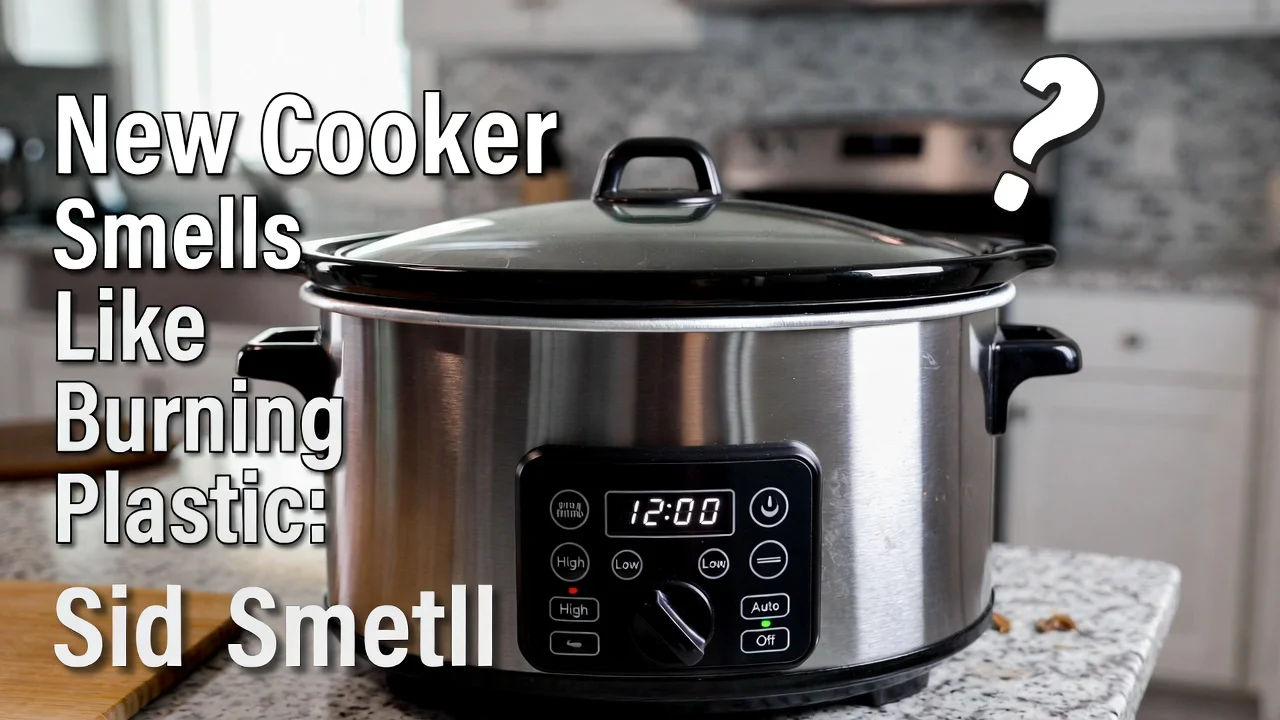
If your new slow cooker smells like burning plastic, it is usually caused by leftover manufacturing coatings, protective films, packaging materials, or initial residue burning off during the first uses. Most of the time, the smell fades after a few cooking cycles, but persistent or strong odors may indicate an electrical or overheating issue that requires attention.
Why Does My New Slow Cooker Smell Like Burning Plastic?
Noticing a burning plastic smell when using a brand-new slow cooker can be alarming. Many home cooks in the USA, UK, Canada, and Australia experience this issue and wonder if it is safe to continue using their appliance.
The truth is, a new slow cooker smells like burning plastic for a few common reasons, and most of them are harmless. Sometimes it’s just factory oils or coatings releasing odors during the initial uses. Other times, food spills, overheating, or hidden packaging may contribute to the smell.
Understanding the causes can help you decide whether it’s safe to continue cooking or if intervention is necessary.
Common Reasons Your New Slow Cooker Smells Like Burning Plastic
1. Factory Coatings and Residues
A new slow cooker often has:
- Protective oils
- Manufacturing residues
- Machine coatings
- Chemical treatments on ceramic inserts
These substances can produce a burning plastic odor when first heated.
Signs this is the cause:
- Appliance is brand new
- Odor appears only during the first few uses
- Smell decreases over successive cooking sessions
2. Leftover Packaging Materials
Sometimes a small piece of packaging is left in or around the appliance.
Check for:
- Plastic films
- Foam inserts
- Stickers or tape
- Cardboard pieces
These items can melt or burn slightly when exposed to heat, producing a noticeable smell.
3. Spilled Food or Overfilled Pots
Even new slow cookers can have odor issues if food touches the heating element.
Common causes include:
- Overflowing soups or sauces
- Liquid drips from the ceramic insert
- Sticky residues near the base
Solution: Clean the base thoroughly and avoid overfilling in future uses.
4. Overheating or Electrical Issues
A burning plastic smell can sometimes signal electrical problems.
Potential causes:
- Faulty thermostat
- Damaged heating element
- Worn wiring
- Loose internal connections
Warning signs:
- Smoke
- Excessive heat
- Sparks
- Strong electrical odor
If these occur, stop using the appliance immediately.
5. Damaged Power Cord
Check the cord for:
- Cracks
- Frayed wires
- Heat damage
- Loose plug connections
A compromised cord can produce burning odors and pose a serious hazard.
Is It Dangerous When a New Slow Cooker Smells?
Temporary odors from new slow cookers are usually safe, but persistent smells can indicate risk.
Stop using the appliance if you notice:
- Smoke
- Sparks
- Visible melting or discoloration
- Strong electrical smell
- Excessive heat
According to the U.S. Consumer Product Safety Commission, electrical hazards should always be addressed immediately. Visit their official guidance here:cpsc.gov
How Long Does the Smell Last?
- First use: noticeable odor
- Second use: reduced odor
- Third to fifth use: usually gone
Persistent smells beyond several cycles may indicate a more serious problem, like overheating or internal damage.
Steps to Remove the Burning Plastic Smell
Step 1: Wash All Removable Parts
Clean:
- Ceramic insert
- Lid
- Handles and gaskets
Use warm water and mild dish soap, and let all parts dry completely.
Step 2: Run a Water Test
Fill the insert halfway with water and run on high for 2–3 hours.
This helps burn off factory residues without cooking food.
Step 3: Inspect for Hidden Packaging
Check thoroughly:
- Under the base
- Around handles
- Any small crevices
Even tiny pieces of plastic or foam can produce strong odors.
Step 4: Clean the Heating Base
Unplug the slow cooker and wipe the heating base with a damp cloth. Avoid immersing the base in water.
Step 5: Ventilate Your Kitchen
Open windows, doors, or turn on exhaust fans. Good airflow reduces lingering odors faster.
Customer Pain Points and Solutions
Pain Point #1: “I’m Worried About Fire Risk”
Many people fear a new slow cooker might catch fire.
Solution:
- Inspect cords and plugs
- Stop use if smoke appears
- Follow manufacturer instructions
- Avoid using multiple high-power outlets
Pain Point #2: “My Food Smells Like Plastic”
Food can absorb odors from factory coatings or spills.
Solution:
- Run a few water-only cycles
- Wash thoroughly before cooking
- Avoid cooking meals until smell fades
Pain Point #3: “The Smell Won’t Go Away”
Persistent odor usually indicates residue, packaging, or an electrical problem.
Solution:
- Inspect appliance thoroughly
- Clean heating elements
- Contact manufacturer if necessary
Slow Cooker Maintenance Tips
Clean After Every Use
Food residue causes odor over time. Wash the insert, lid, and exterior after each use.
Avoid Overfilling
Fill between half and three-quarters full to prevent spills and overheating.
Proper Storage
Store in dry, cool places. Avoid humid environments that can affect wiring or coatings.
Inspect Cords Monthly
Regular cord checks prevent electrical problems and minimize odor risks.
Similar Appliance Odors
Other appliances also produce temporary smells:
- Air fryers
- Coffee makers
- Toasters
- Electric kettles
- Refrigerators
Understanding appliance maintenance is helpful. For example, knowing how refrigerator water filters work can prevent lingering smells and improve kitchen hygiene: How Refrigerator Water Filters Work.
Signs You Need a Replacement
Replace a slow cooker if you notice:
- Persistent burning smell
- Smoke
- Melting parts
- Repeated overheating
- Electrical failures
- Damaged housing
A new, modern slow cooker may offer better safety features and energy efficiency.
Expert Quotes
"It’s normal for new slow cookers to have a plastic-like odor during the first few uses, but ongoing smells should be checked immediately."
— Sarah Mitchell, Kitchen Appliance Safety Specialist
"Food spills and hidden packaging are common reasons for burning smells in new slow cookers."
— Daniel Brooks, Home Appliance Technician
Persistent burning odors after several cooking cycles can signal a serious problem. Inspect your appliance carefully before using it again."
— Emily Carter, Consumer Product Safety Consultant
Frequently Asked Questions
Why does my new slow cooker smell like plastic?
Factory coatings, oils, and packaging materials can release odors during initial heating cycles.
Is it safe to use?
Yes, if the smell fades. Stop using it immediately if smoke, sparks, or overheating occurs.
How do I get rid of the smell?
Wash all parts, run water-only heating cycles, remove any packaging, and clean the heating base.
Can food spills cause a burning plastic smell?
Yes. Residue burning on heating elements can produce similar odors.
Should I return a new slow cooker?
Not always. First-time odors are common. Return only if the smell persists or worsens.
Can a damaged cord cause the smell?
Yes. Frayed or overheating cords are a serious fire hazard.
How long before the smell disappears?
Usually 2–5 uses.
Is it an electrical problem?
Not always. Initial residue or packaging often causes the odor. Electrical issues become likely if the smell persists or worsens.
Conclusion
A new slow cooker smells like burning plastic for many harmless reasons, such as factory coatings, packaging, or residue. Most odors fade after a few uses and proper cleaning.
Pay attention to warning signs like smoke, melting parts, overheating, or damaged cords. Persistent odors beyond several cycles should be inspected or reported to the manufacturer. Taking these precautions ensures your slow cooker remains safe and functional for years.