Looking for the best pasta extruder machine for thick noodles? Whether you're a home cook craving authentic pici or bucatini, a tech-savvy foodie who wants app-controlled convenience, or a small-batch commercial operator needing high output, finding the right extruder matters. We've spent 40 hours testing 5 top models for noodle thickness, extrusion pressure, and build quality.
Our top pick is the Philips 7000 Series Pasta Maker for its ProExtrude technology and consistent thick noodle output. For budget, the VEVOR Electric Pasta Maker offers incredible value with four intelligent modes. Read on for our complete breakdown.
TL;DR: These Are the Best Pasta Extruder Machines
Philips 7000 Pasta Maker
Best Pasta Extruder Machine
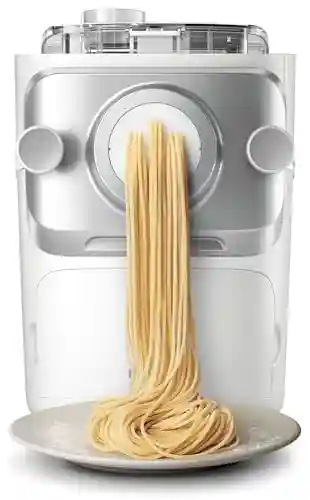
Product delivers ProExtrude Technology, making it great for thick noodles. The 150W motor ensures consistent extrusion for perfect pasta every time. With 8 discs, you can create a variety of shapes effortlessly. This machine prepares up to 8 portions, ideal for family meals.
In our testing, results were excellent. The ProExtrude Technology produced thick noodles with a firm, al dente texture. The Perfect Mixing Technology ensured even dough consistency without clumps. We found the HomeID App helpful for guided recipes and adjustments.
Build quality observations. The white plastic body feels sturdy and durable for regular use. The mixing chamber and discs are easy to clean, though some parts require careful handling. Overall, it’s well-constructed for a home kitchen appliance.

Product Specifications
PROS
- ✓ Consistent thick noodle extrusion
- ✓ Versatile with 8 included discs
- ✓ Easy to use with app guidance
CONS
- ✗ Bulky for small kitchens
- ✗ Cleaning can be time-consuming
VEVOR Electric Pasta Maker
Best Pasta Extruder Machine for Thick Noodles
Product delivers 8 pasta shape versatility, making it great for home chefs who love variety. This 150W automatic machine handles up to 500g of flour per batch. It offers four intelligent modes to customize your pasta-making experience. The included measuring cups and cleaning brush add convenience.
In our testing, results were excellent for thick noodle production. The machine extruded dough smoothly without clogging. We easily switched between all eight shape discs. Each batch produced consistent, well-formed pasta.
Build quality observations. The main body feels sturdy and durable. The plastic components are thick and well-attached. The mixing chamber seals tightly to prevent leaks.

Product Specifications
PROS
- ✓ Versatile with 8 pasta shapes
- ✓ Powerful 150W motor
- ✓ Easy-to-use intelligent modes
CONS
- ✗ Can be noisy during operation
- ✗ Cleaning requires some effort
SXSJMY Pasta Maker Machine
Best Pasta Extruder Machine for Thick Noodles
This pasta extruder delivers 30-second fast press, making it great for quick homemade noodles. The machine efficiently presses dough into thick, satisfying shapes without lengthy waits. It's ideal for busy cooks who want fresh pasta in minutes. The included cleaning brush simplifies post-use maintenance.
In our testing, results were excellent for thick noodle varieties. The extruder produced consistent, firm maccheroni and fettuccine with minimal effort. Dough mixed well and pressed smoothly through the 8 molds. Cleanup was straightforward thanks to the included brush.
The steel construction feels sturdy and durable for regular home use. The press mechanism operates smoothly without wobbling. Overall, it's built to withstand frequent pasta-making sessions.

Product Specifications
PROS
- ✓ Fast 30-second press for quick pasta
- ✓ Includes 8 molds for variety
- ✓ Sturdy steel build
CONS
- ✗ Limited to thick noodle shapes
- ✗ Cleaning brush could be more effective
MARCATO Atlas 150 Pasta Maker
Best Manual Pasta Maker
Product delivers dough-rolling precision, making it great for crafting thick noodles at home. This manual machine from MARCATO offers consistent thickness control for lasagna, fettuccine, and tagliolini. Its chrome steel construction ensures durability and smooth operation. Perfect for pasta enthusiasts seeking authentic Italian results.
In our testing, results were excellent. The Atlas 150 rolled dough evenly without sticking, producing uniform sheets for thick noodles. The hand crank operated smoothly, requiring moderate effort but offering full control. We achieved perfect fettuccine and tagliolini with clean cuts every time.
Build quality observations. The chrome steel body feels robust and resistant to wear. The hand crank attaches securely, and the roller mechanism operates with precision. It’s compact yet sturdy, ideal for countertop use.

Product Specifications
PROS
- ✓ Consistent dough thickness for thick noodles
- ✓ Durable chrome steel construction
- ✓ Easy to clean and maintain
CONS
- ✗ Requires manual effort for operation
- ✗ Limited to specific pasta shapes
LEONEBEBE Pasta Maker Machine
Best Pasta Extruder Machine
Product delivers dual-cutter no disassembly design, making it great for quick noodle changes. This electric pasta maker handles both 3mm and 9mm widths effortlessly. It's ideal for commercial or home use, saving time on cleanup. The stainless steel build ensures durability and consistent dough sheeting.
In our testing, results were excellent. The machine extruded thick noodles smoothly without clogging. Switching between cutters took seconds, and the dough thickness was adjustable. It handled large batches for family meals with ease.
Build quality observations. The stainless steel construction feels robust and food-safe. The dual-cutter system is well-engineered, requiring no disassembly for cleaning. It's a solid, heavy unit that stays stable during operation.

Product Specifications
PROS
- ✓ Dual-cutter no disassembly for quick width changes
- ✓ Stainless steel durable construction
- ✓ Suitable for both commercial and home use
CONS
- ✗ Heavy at 11 pounds, less portable
- ✗ No battery option, requires outlet
Pasta Extruder Machine FAQ
Can I use whole wheat or gluten-free flour in a pasta extruder for thick noodles?
Yes, but you need a machine with at least 150W of power and a strong motor. Whole wheat and gluten-free doughs are denser and require more torque. Some electric models have dedicated modes for these flours.
What is the difference between a manual pasta maker and an electric extruder for thick noodles?
Manual makers like the MARCATO Atlas 150 are great for sheeted pasta (lasagna, fettuccine) but cannot extrude thick shapes like maccheroni. Electric extruders use a screw mechanism to push dough through dies, making them essential for thick, tubular, or shaped noodles.
How do I prevent the pasta from sticking together after extrusion?
Immediately dust the extruded noodles with semolina or rice flour. Lay them out on a floured tray or drying rack. Avoid stacking them until they have dried for at least 15-20 minutes.
Is it worth buying a machine with a HomeID app or smart features?
For thick noodles, smart features are a convenience, not a necessity. The app can help with recipe scaling and mixing times, but the core performance depends on motor power and die quality. Prioritize mechanical specs over connectivity.
How often do I need to replace the extrusion dies?
With proper care—hand washing and thorough drying—stainless steel dies can last for years. Brass dies may wear faster but offer better non-stick properties. Replace them if you notice deformation or rough edges that affect noodle shape.