
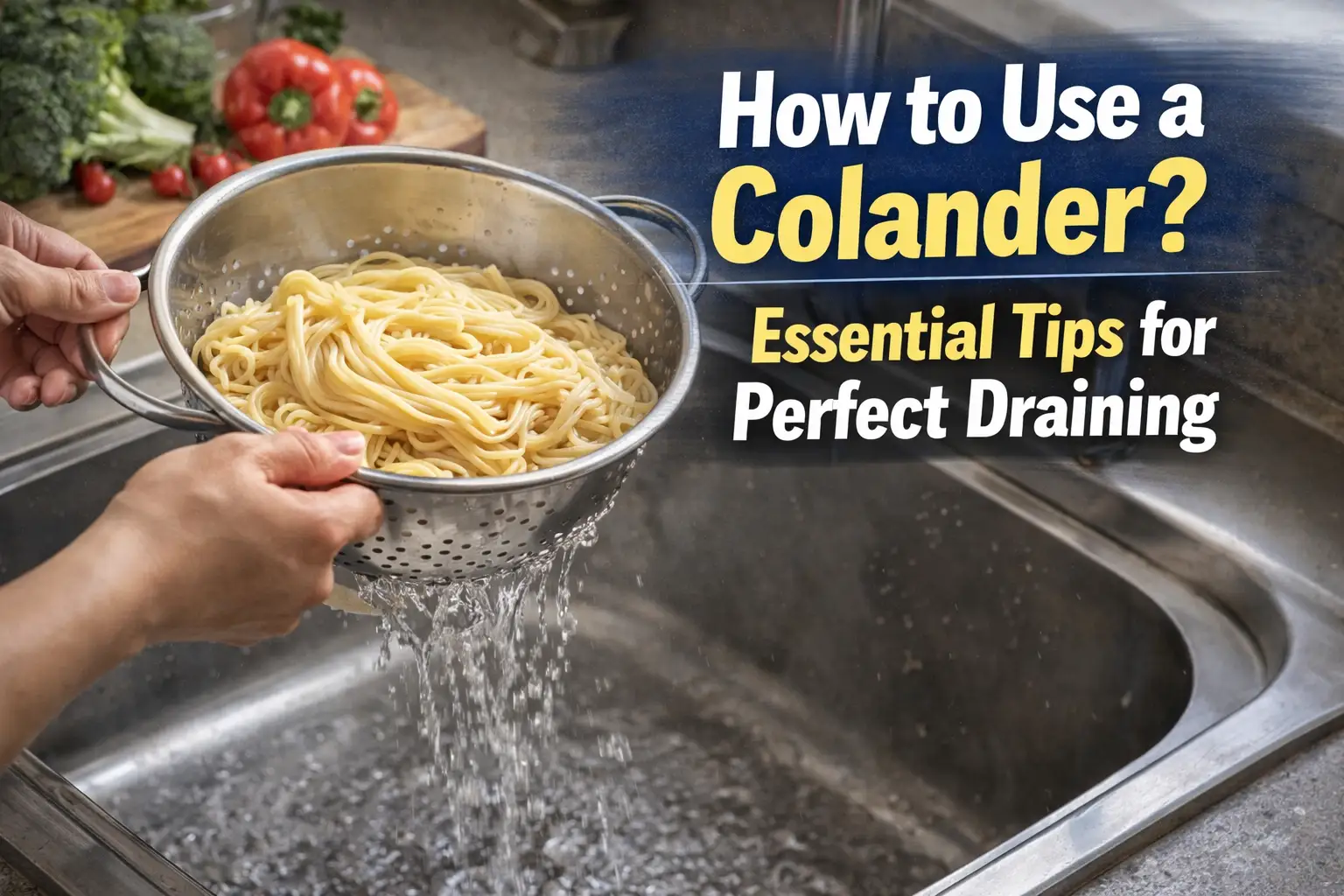
You’ve probably seen a colander in your kitchen but might not be using it to its full potential. This simple tool can make your cooking faster, cleaner, and more efficient—if you know the right way to use it.
Whether you’re draining pasta, washing fresh vegetables, or rinsing beans, mastering the colander will save you time and avoid messy spills. You’ll discover easy, practical tips to handle your colander like a pro, so you can cook with confidence and keep your kitchen tidy.
Ready to take your cooking skills up a notch? Let’s dive in!
Credit: www.thekitchn.com
Choosing The Right Colander
Choosing the right colander makes cooking easier and safer. A good colander fits your kitchen tasks and space. It helps drain water fast and holds food securely. Several factors matter when picking the best one for you.
Materials And Durability
Colanders come in different materials like plastic, stainless steel, and silicone. Stainless steel lasts long and resists stains. Plastic is lightweight and usually cheaper. Silicone colanders are flexible and heat-resistant. Choose a material that fits your cooking style and cleaning habits.
Size And Shape Options
Sizes vary from small to large bowls. Small colanders suit fruits or small pasta servings. Large ones handle big batches of vegetables or pasta. Shapes include round and oval. Oval shapes fit better in sinks or pots. Pick a size and shape that match your cooking needs and storage space.
Handles And Stability Features
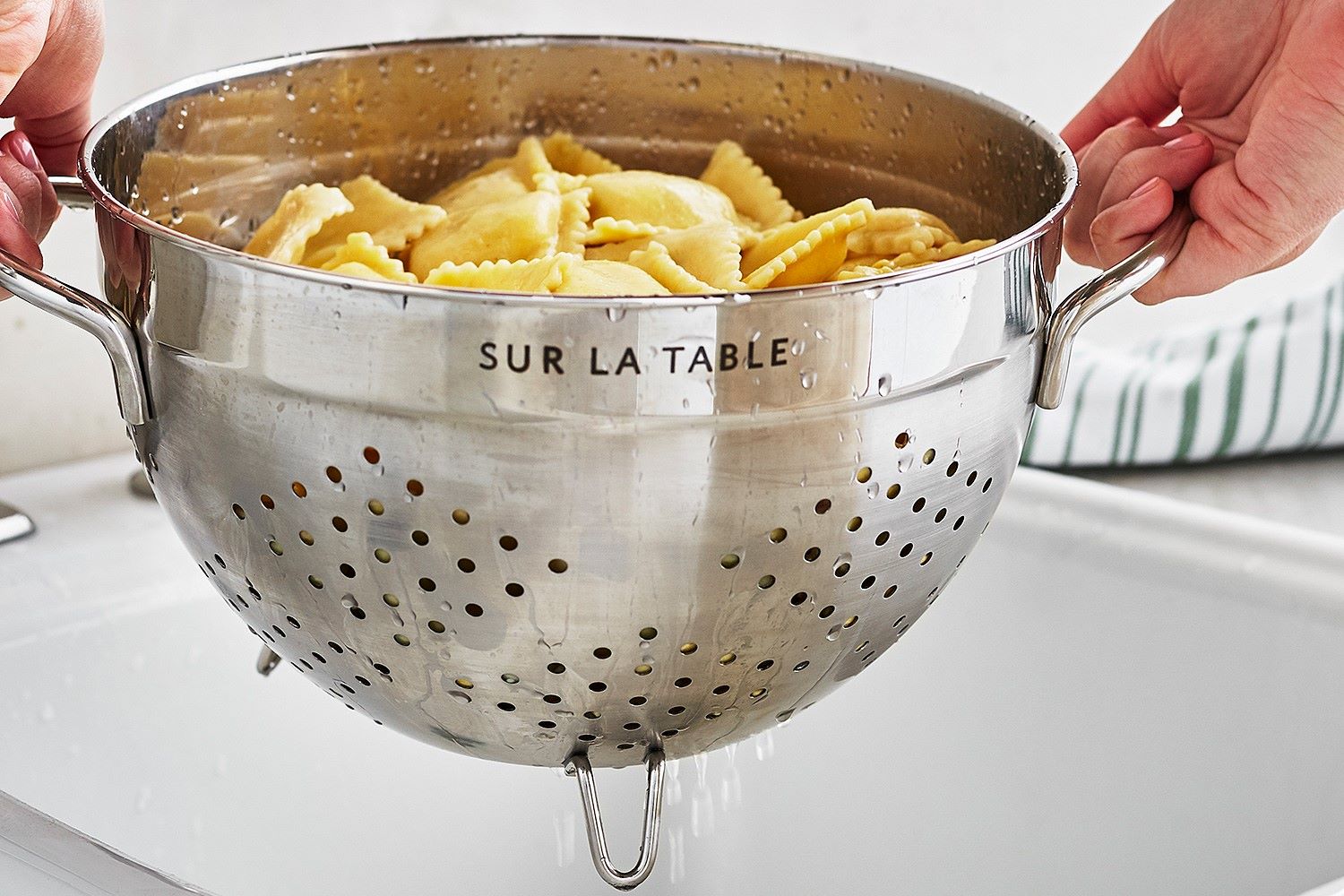
Handles help grip the colander safely. Look for wide, sturdy handles for better control. Some colanders have feet or a base to stand steady. This prevents spills and keeps the colander from sliding. Stability features make draining easier and safer.
Basic Uses Of A Colander
A colander is a simple kitchen tool with many uses. It helps separate water from food quickly and safely. Its holes let liquid drain while keeping solids inside. Understanding its basic uses improves your cooking experience. Here are common ways to use a colander.
Draining Pasta And Noodles
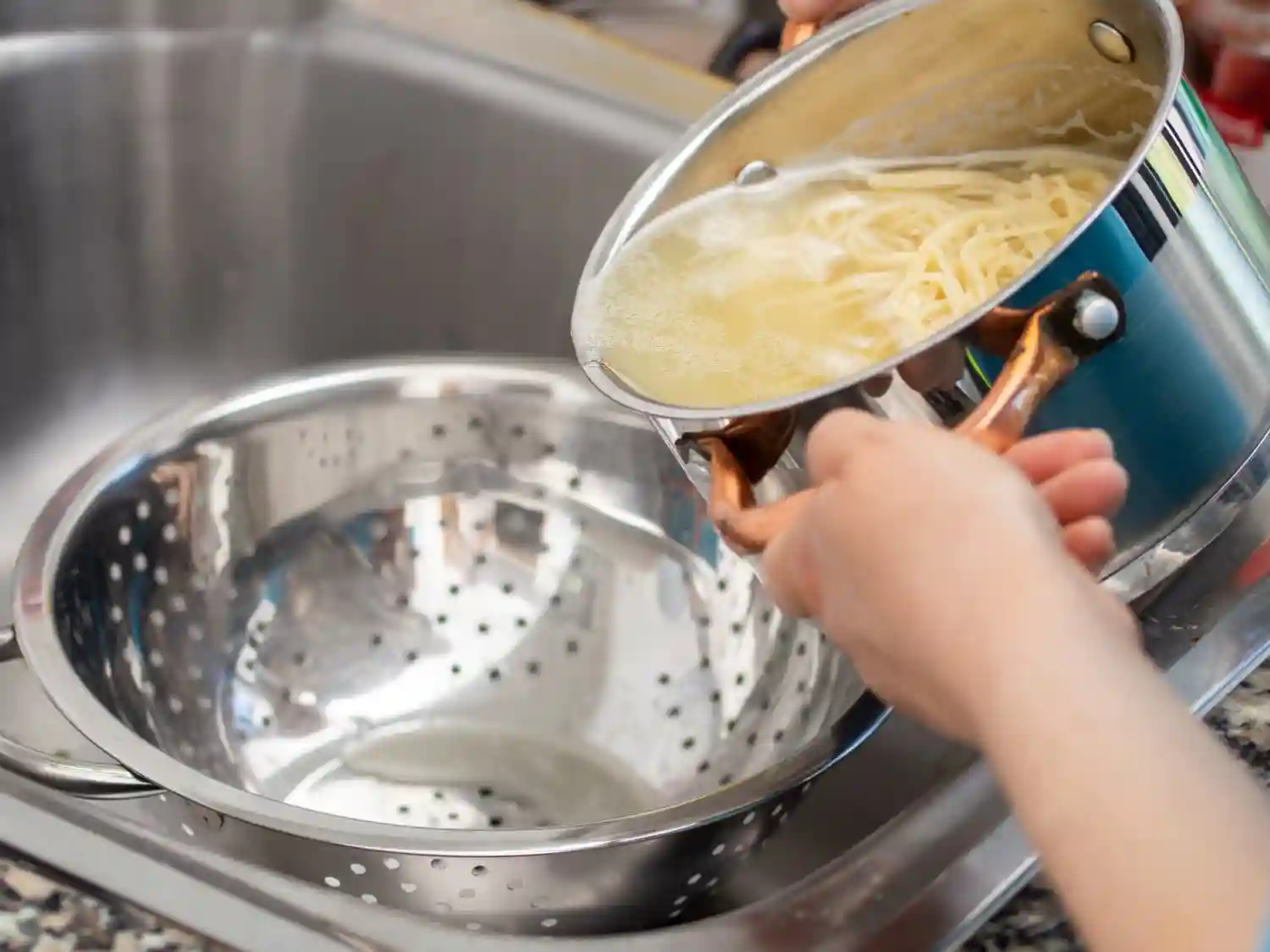
After boiling pasta or noodles, pour them into the colander. The water drains through the holes, leaving the pasta behind. Shake gently to remove excess water. This method prevents soggy pasta and makes it ready for sauce.
Rinsing Fruits And Vegetables
Place fruits or vegetables in the colander. Run cold water over them to wash away dirt and pesticides. The holes allow water to drain quickly. It is perfect for berries, lettuce, and leafy greens.
Washing Beans And Grains
Beans and grains need rinsing before cooking. Put them in the colander and rinse under running water. This removes dust and unwanted particles. The colander makes washing fast and easy without losing any beans or grains.
Step-by-step Draining Techniques
Draining food with a colander is simple but requires care. The right technique keeps your kitchen safe and clean. Follow these steps to drain water efficiently and avoid spills or burns.
Preparing The Colander
Place the colander in the sink before cooking ends. Make sure it sits stable and does not tip. Check that all holes are clear for fast draining. Use a colander with handles for better grip.
Pouring Safely To Avoid Spills
Hold the pot with both hands for control. Pour slowly and steadily into the colander. Aim the water flow inside the colander’s center. Stop if the colander fills too fast. Keep the colander close to the sink edge.
Handling Hot Water
Use oven mitts to protect your hands from heat. Tilt the pot away from your body to avoid steam burns. Let steam escape before pouring to reduce pressure. Pour in small amounts if water is very hot. Always keep children away during this step.
Tips For Efficient Draining
Efficient draining helps save time and prevents mess in the kitchen. Using a colander correctly makes draining easier and faster. Simple techniques can improve how well water drains away from food. These tips help keep your cooking area clean and your food intact.
Using The Right Sink Setup
Place the colander in the sink before pouring food into it. Make sure the sink is clean and free of other dishes. Use a sink with a drain that allows water to flow quickly. This prevents water from pooling around the colander. Adjust the colander so it sits steadily without tipping.
Shaking And Tapping For Better Drainage
Gently shake the colander to help water drain faster. Light tapping on the colander’s side loosens trapped water. Avoid shaking too hard to keep food from falling out. This motion helps remove excess water from pasta or vegetables. Repeat shaking and tapping until water slows down.
Draining Without Losing Food
Hold the colander firmly with both hands to avoid spills. Pour food slowly into the colander to keep it contained. Use a bowl or pot underneath if you want to save drained water. Check for small pieces that might slip through the holes. Use a colander with smaller holes for tiny food items.
Common Mistakes To Avoid
Using a colander seems simple but many make avoidable mistakes. These errors reduce efficiency and may cause spills or accidents. Knowing common pitfalls helps you use your colander safely and effectively.
Overfilling The Colander
Packing too much food in the colander blocks water flow. This slows draining and leaves food soggy. Fill the colander only halfway to let water drain fast. Large loads need to be drained in batches.
Ignoring Stability And Balance
Placing a colander on an uneven surface can tip it over. Always set the colander on a flat, stable area before draining. Hold handles firmly to keep balance. Avoid rushing to prevent spills or burns.
Confusing Colanders With Strainers
Colanders have large holes and stand alone for coarse draining. Strainers have fine mesh for filtering small particles. Using a colander like a strainer wastes food and water. Use each tool for its right purpose to get good results.
Cleaning And Maintenance
Proper cleaning and maintenance keep your colander safe and long-lasting. Dirt and food bits can clog holes and cause bad smells. Regular care ensures it works well every time.
Removing Food Residue
Rinse the colander right after use. Use warm water to wash away loose food pieces. For stuck bits, scrub gently with a soft brush. Avoid metal scrubbers that can scratch the surface. Check all holes to clear any trapped food.
Safe Washing Practices
Wash your colander with mild dish soap and warm water. Use a sponge or soft cloth to clean all surfaces. Avoid harsh chemicals that can damage the material. Rinse thoroughly to remove soap residue. Dry the colander completely with a clean towel to stop rust or mold growth.
Storage Tips To Prevent Damage
Store your colander in a dry place with good air flow. Avoid stacking heavy items on top to keep its shape. Hang it by the handles if possible to save space. Make sure it is fully dry before storing to prevent rust or stains. Regularly check for cracks or damage to replace if needed.
Colanders Vs Strainers
Understanding the differences between colanders and strainers helps in choosing the right kitchen tool. Both serve to separate solids from liquids but have distinct designs and uses. Knowing these differences can improve cooking efficiency and results.
Differences In Design And Use
A colander is a bowl-shaped tool with large holes. It often has handles and a stable base for easy draining. It works well for draining pasta, washing vegetables, and rinsing fruits.
A strainer usually has a fine mesh or very small holes. It often has a long handle and no base. It filters finer particles like seeds, pulp, or flour lumps.
Colanders handle larger food pieces and allow quick water drainage. Strainers catch smaller bits and are better for delicate tasks.
When To Choose Each Tool
Choose a colander when draining pasta or washing big vegetables. It holds large amounts and drains water fast.
Use a strainer for rinsing rice, sifting dry ingredients, or removing seeds from sauces. It filters finer particles without losing food.
Both tools have important roles in the kitchen. Selecting the right one saves time and prevents food waste.
Credit: nypost.com
Creative Uses Beyond Draining
The colander is not just for draining pasta or washing vegetables. It offers several creative uses beyond its basic function. These alternative uses can simplify kitchen tasks and add convenience. Exploring these ideas helps you get more from this simple kitchen tool.
Steaming Vegetables
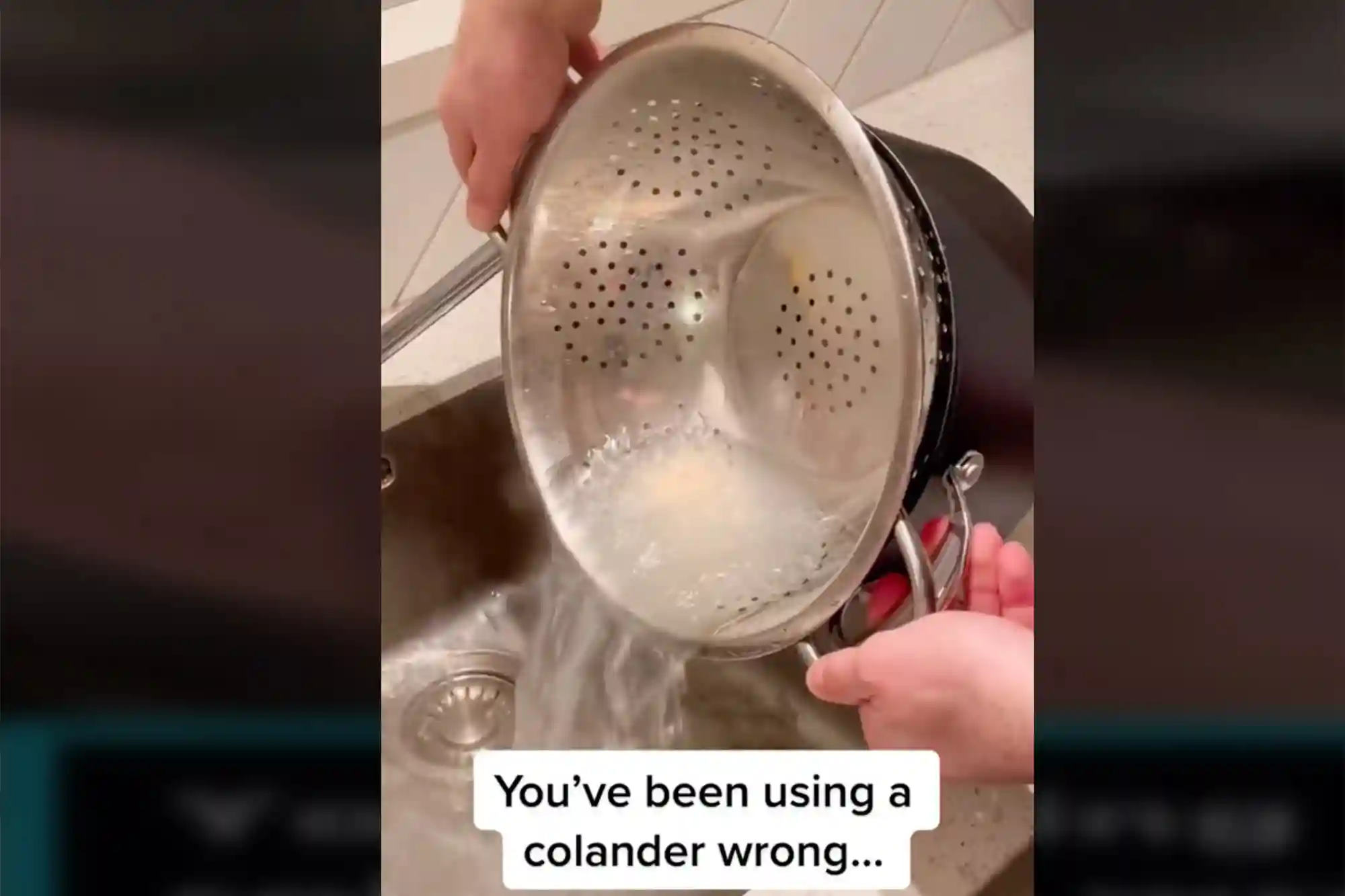
Place the colander inside a pot with a small amount of boiling water. Put chopped vegetables in the colander. Cover the pot with a lid. The steam cooks the vegetables evenly. This method keeps them crisp and fresh. It also uses less water than boiling.
Sifting And Rinsing Tasks
Use the colander to rinse grains like rice or quinoa. Pour the grains into the colander and rinse under cold water. The large holes let water flow easily while holding the grains. You can also sift coarse ingredients such as nuts or seeds. Shake gently to separate smaller pieces from larger ones.
Serving And Presentation Ideas
Use the colander as a unique serving bowl for fruits or vegetables. The holes add a rustic look and allow air circulation. Line the colander with a clean cloth or paper towel to keep food fresh. It also works well for serving pasta or salad. This simple trick makes your table setting more attractive.
Credit: learn.surlatable.com
Frequently Asked Questions
How Are You Supposed To Use A Colander?
Place the colander in the sink. Pour food like pasta or vegetables into it. Let water drain through holes. Shake gently to remove excess water. Use handles to lift and empty contents safely.
How To Drain Pasta In A Colander?
Place the colander in the sink. Pour the pasta and water into it carefully. Let water drain completely. Shake gently to remove excess water. Transfer pasta to a serving dish immediately to avoid dripping.
What Is The Difference Between A Colander And A Strainer?
A colander has large holes and stands alone, ideal for draining pasta and vegetables. A strainer has fine mesh, used for sifting flour or removing seeds. Colanders handle coarse draining, strainers manage fine filtration tasks.
What Is The Point Of A Colander?
A colander helps drain water from foods like pasta or washed vegetables. It has large holes for quick, efficient draining.
Conclusion
Using a colander is simple and useful in the kitchen. It helps drain water from pasta, vegetables, and beans quickly. Place food in the colander and let water flow through the holes. Always hold the colander steady to avoid spills.
Clean it well after use to keep it safe and ready. With these easy steps, you can use a colander with confidence every time. Cooking becomes faster and less messy. Try it out and enjoy your meals!

“I believe great cooking starts with the right tools, trusted advice, and a little confidence in the kitchen.”
Hi, I’m Emma Carter. My love for cooking began in my grandmother’s kitchen, where I learned that every great meal starts with simple ingredients and the right cookware. Over the years, I’ve spent countless hours researching, testing, and comparing kitchen appliances, cookware, coffee makers, air fryers, and other everyday kitchen essentials.
Here at KiCook, my goal is to make your buying decisions easier with honest product reviews, practical buying guides, and easy-to-follow cooking tips. Whether you’re upgrading your kitchen or searching for the best appliance for your home, I focus on providing clear, reliable, and research-backed information you can trust.
When I’m not testing new kitchen gadgets or writing in-depth guides, you’ll usually find me trying new recipes, visiting local farmers’ markets, or enjoying a quiet cup of coffee while planning my next kitchen project.