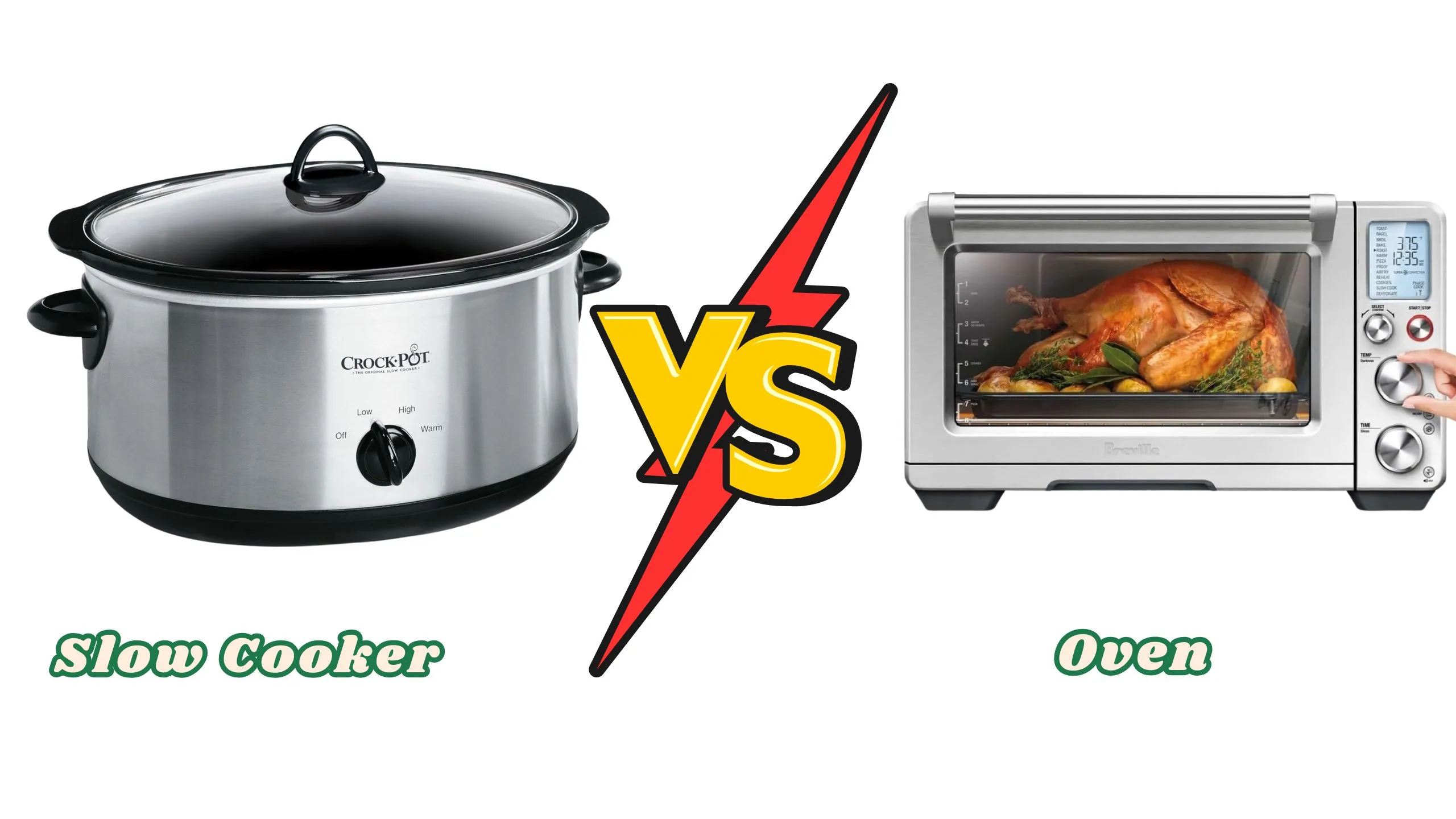
I often see people comparing a slow cooker with a traditional oven when they’re trying to simplify everyday cooking. At first glance, they both cook food with heat, so the confusion makes sense. The real question most buyers have is whether they actually need both or if one can replace the other for their lifestyle.
From my own cooking experience and research, this confusion usually comes from time, energy use, and cooking results. Some people want hands-off cooking for busy weekdays, while others care more about flexibility and texture. I’ve tested meals like stews, roasts, baked dishes, and casseroles in both appliances to understand where each one shines and where it falls short.
In this comparison, I’ll break down the real differences between a slow cooker and an oven, so you can decide which one fits your cooking habits, kitchen space, and daily routine.
Quick Comparison
| Feature | Slow Cooker | Oven |
|---|---|---|
| Price Range | Budget to mid-range | Mid to high range |
| Core Function | Low, slow, moist cooking | Baking, roasting, broiling |
| Capacity | Best for stews & one-pot meals | Handles large & varied dishes |
| Best For | Busy schedules, set-and-forget meals | Versatile cooking & textures |
| One-Line Takeaway | Great for convenience and tenderness | Better for control and variety |
Product Overview – Slow Cooker
Credit: Amazon
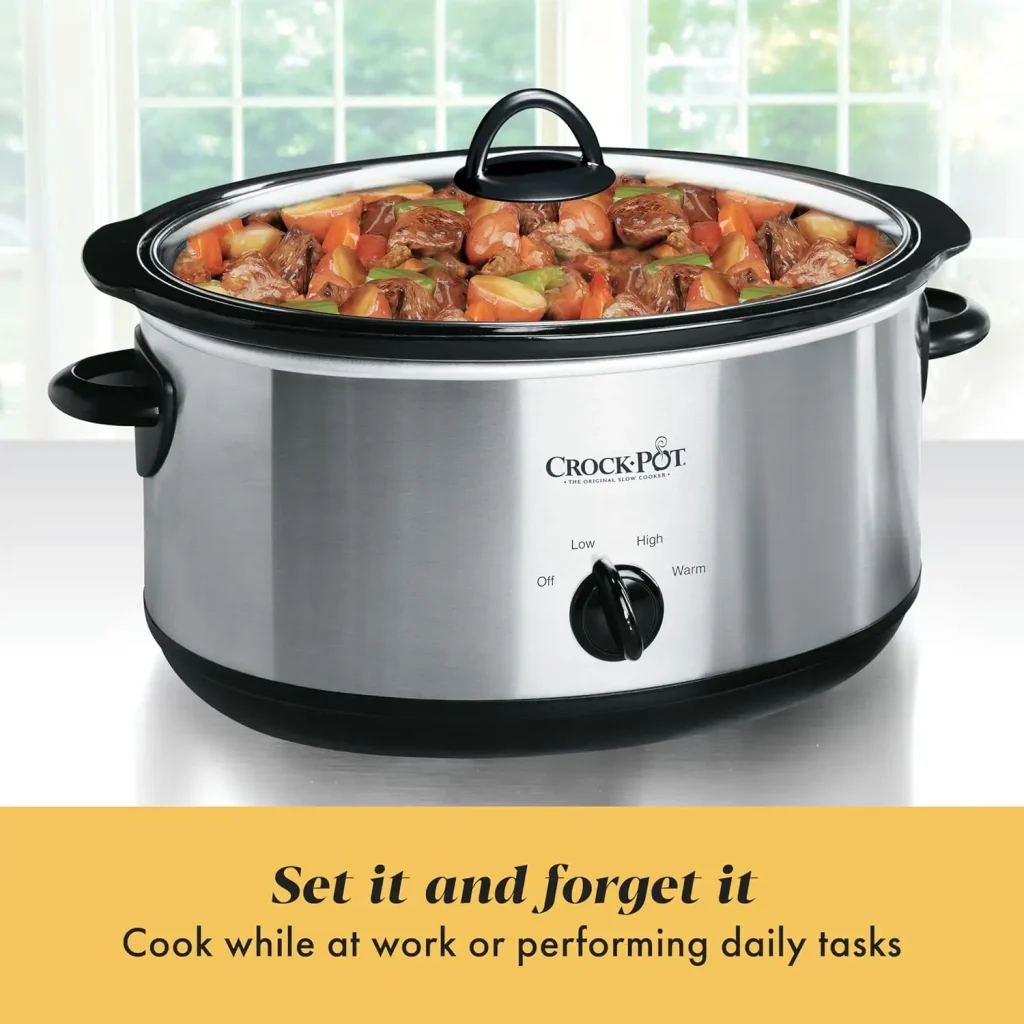
About the Slow Cooker
The slow cooker has been a kitchen staple for decades, especially in households that value convenience. It’s designed to cook food slowly at a low temperature over several hours, allowing flavors to develop without much supervision.
In my experience, slow cookers are best suited for soups, stews, pulled meats, and comfort foods that benefit from long, gentle heat. You usually add ingredients in the morning, set the temperature, and come back to a fully cooked meal.
This appliance is ideal for busy professionals, families, or anyone who prefers minimal hands-on cooking and consistent results without frequent monitoring.
Product Overview – Oven
Credit: Amazon
Check the latest price on Amazon
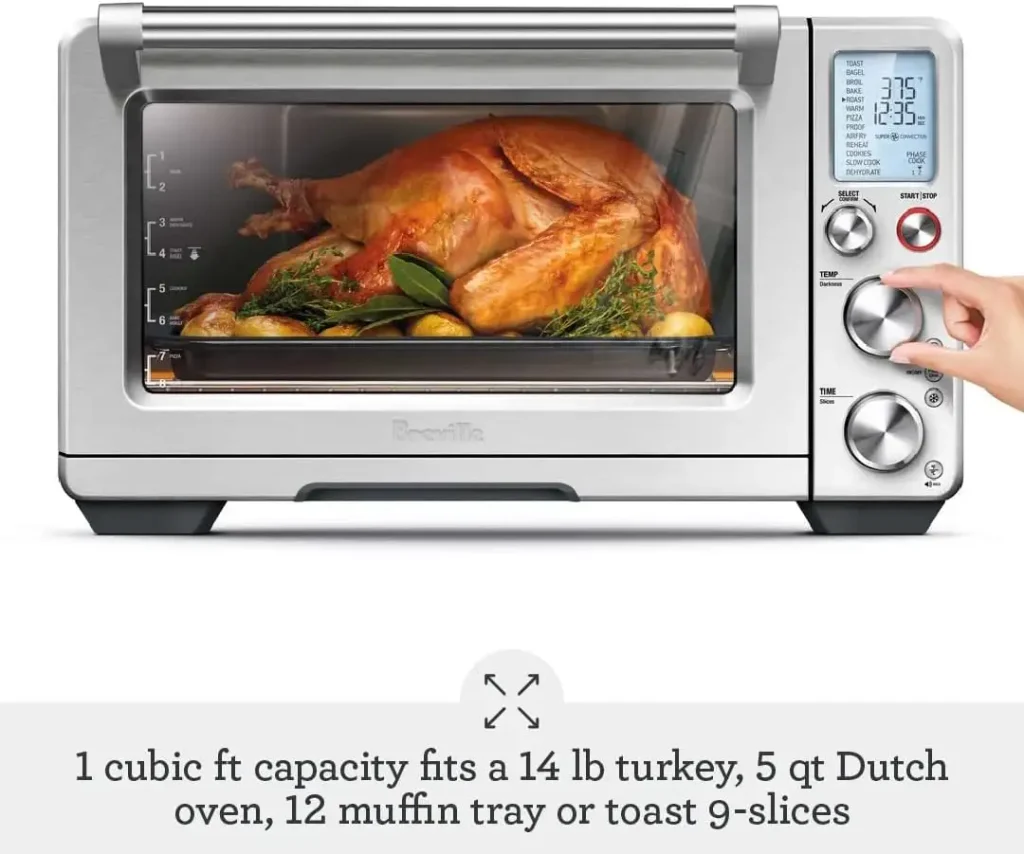
About the Oven
The oven is one of the most versatile cooking appliances in any kitchen. Whether built-in or freestanding, it’s designed to handle a wide range of cooking methods, from baking and roasting to grilling and reheating.
From daily use, I’ve found ovens offer far more control over temperature, texture, and presentation. You can bake bread, roast vegetables, cook pizzas, or prepare large meals for gatherings.
An oven suits home cooks who enjoy experimenting, need flexibility, or regularly cook for multiple people. It does require more attention, but it also delivers more variety.
Feature-by-Feature Comparison
| Feature | Slow Cooker | Oven |
|---|---|---|
| Design | Compact, simple body with ceramic pot | Large, heavy, insulated build |
| Capacity | Single-pot meals, moderate portions | Large trays & multiple dishes |
| Cooking Performance | Best for slow, tender results | Better for browning & crisping |
| Ease of Use | Set it and forget it | Needs timing & monitoring |
| Cleaning | Removable pot, easy to wash | More effort after baking |
| Durability | Simple, cheaper to replace | Longer lifespan, costly repairs |
Real-World Performance Comparison
In daily use, the slow cooker feels like a convenience tool. I rely on it for long workdays when I don’t want to think about cooking. Meals come out consistently tender, but texture options are limited.
The oven feels more hands-on. I use it when I care about crisp edges, layered cooking, or presentation. It’s less forgiving if timing is off, but the results are more varied.
Neither replaces the other completely. They just solve different problems in the kitchen.
Pros & Cons (Side-by-Side)
Slow Cooker – Pros & Cons
| Pros | Cons |
|---|---|
| Very easy to use | Limited cooking styles |
| Great for tender meats | No browning or crisping |
| Energy efficient | Longer cooking times |
| Minimal supervision | Not ideal for baking |
Oven – Pros & Cons
| Pros | Cons |
|---|---|
| Extremely versatile | Uses more energy |
| Better texture control | Requires monitoring |
| Handles large meals | More cleaning effort |
| Suitable for baking | Higher upfront cost |
Price vs Value Analysis
| Aspect | Slow Cooker | Oven |
|---|---|---|
| Initial Cost | Lower | Higher |
| Ongoing Costs | Minimal | Moderate |
| What You Get | Convenience & simplicity | Flexibility & performance |
| Long-Term Value | High for busy users | High for frequent cooks |
In terms of ROI, slow cookers offer excellent value if your meals fit their strengths. Ovens justify their cost if you cook often and enjoy variety.
Who Should Choose Which Product?
Choose a Slow Cooker if you…
- Have a busy schedule
- Prefer hands-off cooking
- Mainly cook stews, soups, or meats
- Want a low-maintenance appliance
Choose an Oven if you…
- Cook a wide range of dishes
- Care about texture and browning
- Bake or roast regularly
- Cook for multiple people
Common Concerns & Deal-Breakers
- Noise: Both are generally quiet in operation
- Size: Ovens require permanent space; slow cookers are portable
- Cleaning: Slow cookers are easier day-to-day
- Reliability: Ovens last longer but cost more to fix
Final Verdict
After using both regularly, I see them as complementary rather than competitors. The slow cooker is unbeatable for convenience and stress-free meals. The oven is essential for versatility and better control over cooking results.
If I had to choose only one, the oven would be more flexible overall. But for busy households, a slow cooker can feel like a lifesaver.
The best choice really depends on how you cook, not which appliance is “better” on paper.
FAQs for Slow Cooker vs Oven
Is a slow cooker cheaper to run than an oven?
Yes, slow cookers typically use less electricity over long cooking periods.
Can a slow cooker replace an oven?
No, it can handle some meals but lacks baking and browning capability.
Does food taste better in a slow cooker or oven?
It depends on the dish. Slow cookers enhance tenderness; ovens improve texture.
Which is better for small kitchens?
A slow cooker takes up less space and is easier to store.
Is an oven necessary for everyday cooking?
If you bake, roast, or cook varied meals, an oven is hard to replace.
Affiliate Disclosure:
This article may contain affiliate links. If you purchase through these links, I may earn a small commission at no extra cost to you. I only recommend products I’ve personally used or carefully researched to help you make an informed decision.

“I believe great cooking starts with the right tools, trusted advice, and a little confidence in the kitchen.”
Hi, I’m Emma Carter. My love for cooking began in my grandmother’s kitchen, where I learned that every great meal starts with simple ingredients and the right cookware. Over the years, I’ve spent countless hours researching, testing, and comparing kitchen appliances, cookware, coffee makers, air fryers, and other everyday kitchen essentials.
Here at KiCook, my goal is to make your buying decisions easier with honest product reviews, practical buying guides, and easy-to-follow cooking tips. Whether you’re upgrading your kitchen or searching for the best appliance for your home, I focus on providing clear, reliable, and research-backed information you can trust.
When I’m not testing new kitchen gadgets or writing in-depth guides, you’ll usually find me trying new recipes, visiting local farmers’ markets, or enjoying a quiet cup of coffee while planning my next kitchen project.