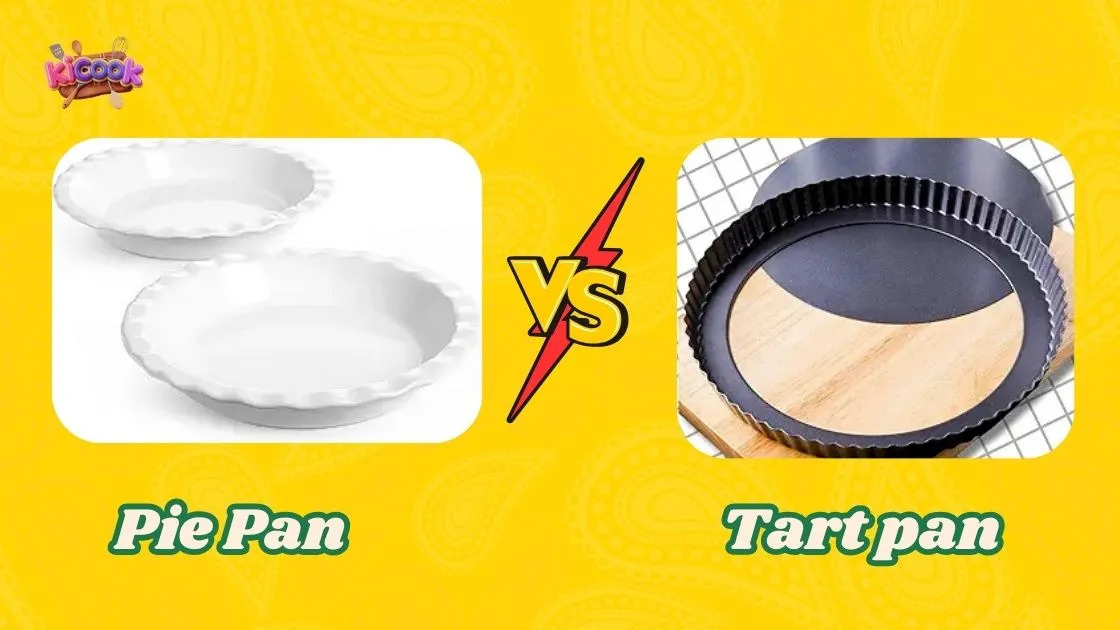
A pie pan, with its sloped sides, is made for holding wet, deep fillings. A tart pan, with its straight, fluted sides and removable bottom, is for structured, shallow desserts with a crisp crust.
I’ll never forget the first time I tried to make a fruit tart in a regular pie dish. The crust was impossible to get out in one beautiful piece, the filling oozed everywhere, and my beautiful dessert looked more like a delicious landslide. It was a classic kitchen blunder that taught me a vital lesson: the right bakeware is not just a suggestion; it's a fundamental part of the recipe's success.
If you've ever stood in your kitchen, holding a recipe that calls for a tart pan, but all you have is a pie pan (or vice versa), and wondered if you can just swap them, you're not alone. I’ve been there. This common pain point is why understanding the "Pie Pan Vs Tart Pan" debate is so important. It’s the difference between a dessert that makes you proud and one that makes you sigh. Having the correct tool for the job builds confidence and ensures your baking results are consistent and beautiful.
So, let's clear up the confusion for good. I’ll walk you through everything from the basic shapes and materials to the specific recipes each pan is meant for, all from my years of experience in a home kitchen just like yours.
The Anatomy of a Pie Pan
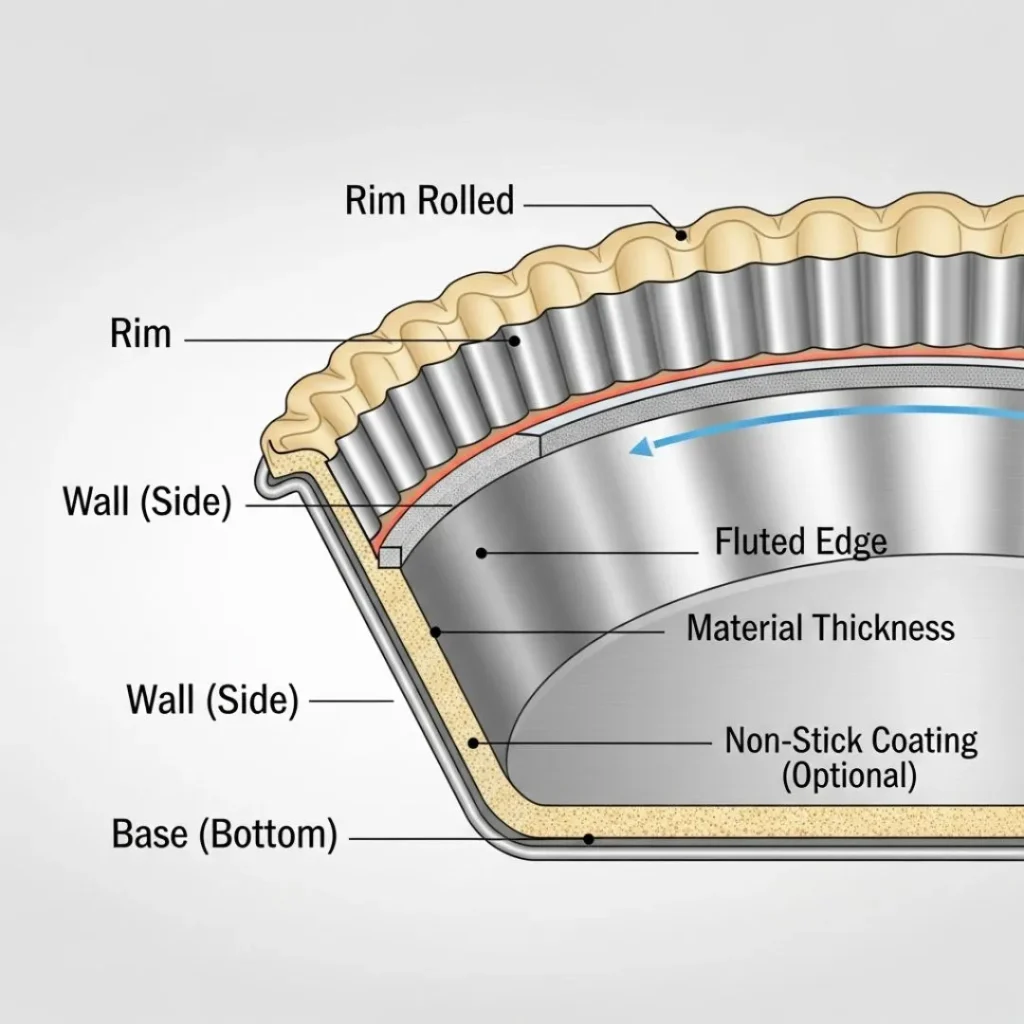
Let's start with the classic pie pan. You probably have at least one of these in your cupboard. The standard pie pan is recognizable by its sloped sides. This design isn't just for looks; it serves a key purpose. The slope makes it easier to weave a lattice top crust or simply to crimp the edges of a double-crust pie beautifully.
Pie pans are generally deeper than tart pans. This extra depth is needed to contain those generous, often juicy fillings we love in a classic apple pie or a cherry pie. The goal of a pie is often a comforting, hearty dessert where the filling and crust merge into a single, delicious unit.
You'll find pie pans made from a few common materials:
- Glass Pie Plates: My personal favorite for fruit pies. Glass heats up a bit slower than metal, which can help prevent the dreaded soggy bottom by allowing the crust to set before the filling fully bubbles. Plus, you can see the color of the bottom crust, a huge advantage for achieving that perfect golden-brown bake.
- Metal Pans (Aluminum or Steel): These are workhorses. They heat up quickly and promote excellent browning, leading to a crispier crust. A dark metal pan will brown your crust more aggressively than a shiny one, so you might need to adjust your baking temperature or time slightly to avoid burning.
- Ceramic Pie Dishes: These are beautiful for serving. They retain heat wonderfully, keeping your pie warm at the table. However, they can take longer to heat up, which might affect baking time.
The finish also matters. A non-stick surface can be helpful for beginners, but many seasoned bakers prefer uncoated surfaces for achieving the crispiest possible crust. Whether you're making a flaky, buttery crust for a quiche or a sturdy crumb crust for a cheesecake, the pie pan is your reliable, deep-dish companion.
The Anatomy of a Tart Pan
Now, let's look at the tart pan. If a pie pan is the cozy, deep dish, a tart pan is the elegant, structured showstopper. The most immediate visual difference is the straight sides. Unlike the sloped sides of a pie pan, tart pan sides are perpendicular to the base. They are almost always fluted, giving that classic, beautiful scalloped edge to your finished tart.
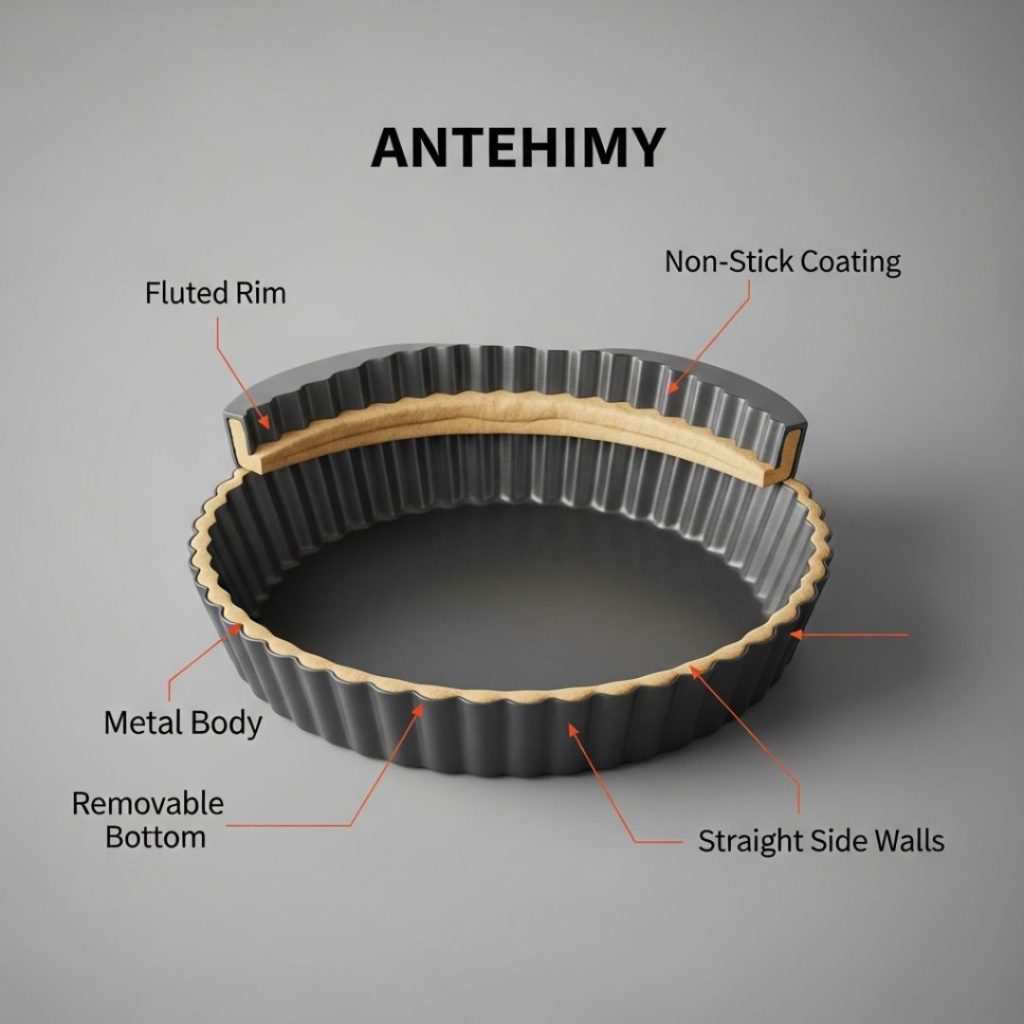
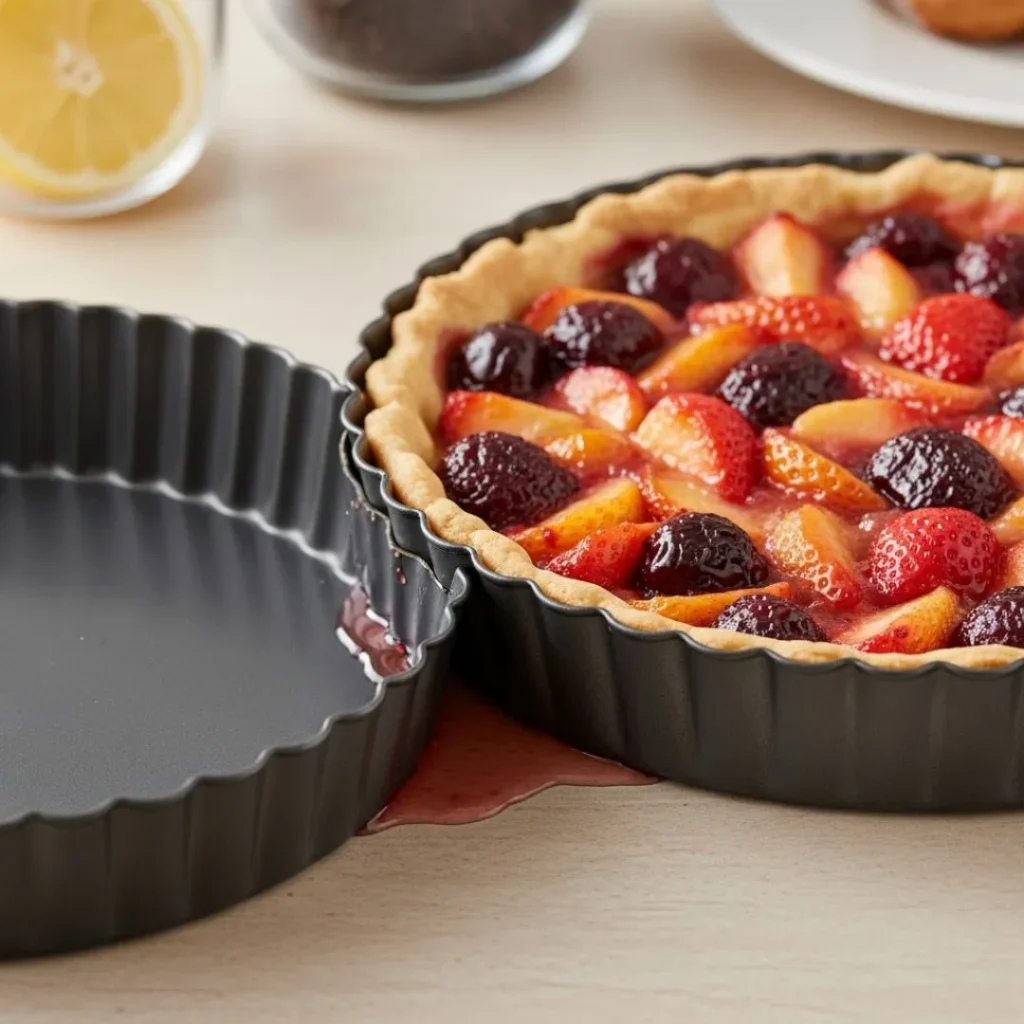
But the real game-changing feature is the removable bottom. A tart pan isn't one solid piece; the bottom is a separate disk that fits snugly into the fluted ring. This brilliant design is the secret to getting your pristine tart out of the pan intact. Once the tart has cooled, you simply place the pan on a can or a narrow object, and the ring falls away, leaving your perfect crust standing on the base plate. No more flipping or struggling.
Tart pans are shallower than pie pans. This isn't a design flaw; it's intentional. Tarts are meant to be shallow, showcasing a thin, crisp crust and a relatively thin layer of filling or an elegant arrangement of fruit. The shallow depth promotes even baking and ensures every bite has the right ratio of crust to filling.
The most common material for a tart pan is metal, typically aluminum or tinned steel. The metal conducts heat efficiently, which is essential for achieving that uniformly crisp and fully cooked crust that a tart demands. You can also find ceramic tart pans, but these often have fixed bottoms and are better for serving than for the actual baking of a traditional tart crust.
Side-by-Side Comparison: A Quick Guide
To make it crystal clear, here’s a direct comparison:
| Feature | Pie Pan | Tart Pan |
|---|---|---|
| Sides | Sloped | Straight and Fluted |
| Depth | Deeper | Shallower |
| Bottom | Fixed, Solid | Removable |
| Primary Use | Deep-dish pies (fruit, custard), pot pies | Structured tarts (fruit, custard, chocolate) |
| Crust Style | Flaky, tender, sometimes soggy bottom | Crisp, cookie-like, fully baked crust |
| Serving Style | Served from the pan | Removed from the pan for presentation |
The Right Pan for Your Recipe: Why It Truly Matters
You might be thinking, "It's just a pan, how much difference can it really make?" From my experience, it makes all the difference. Using the wrong pan can lead to some very real kitchen frustrations.
Why you need a Pie Pan for Pie:
Imagine making a double-crust blueberry pie in a tart pan. The straight sides would make it incredibly difficult to add and seal a top crust. The shallow depth would cause your bubbling berry filling to overflow all over your oven, creating a smoky, sticky mess. The pie pan's sloped sides and greater capacity are there to contain and support these types of wet, voluminous fillings. It's the right tool for the job, preventing common pain points like overflow and poorly sealed crusts.
Why you need a Tart Pan for a Tart:
The removable bottom is non-negotiable for a classic tart. A tart is defined by its appearance—it's a beautiful, free-standing pastry. Trying to remove a tart with a delicate, shortbread-like pastry dough from a solid pie pan is almost guaranteed to end in broken crust and disappointment. The tart pan's straight sides also help the crust maintain a consistent thickness, which bakes more evenly. As the famous chef Julia Child once said, “A party without a cake is just a meeting.” For me, a tart without its elegant, intact structure is just a messy pie.
Can You Substitute One for the Other?
This is the million-dollar question. In a pinch, and with adjusted expectations, you can sometimes make a swap, but it's not ideal.
Using a Pie Pan for a Tart Recipe:
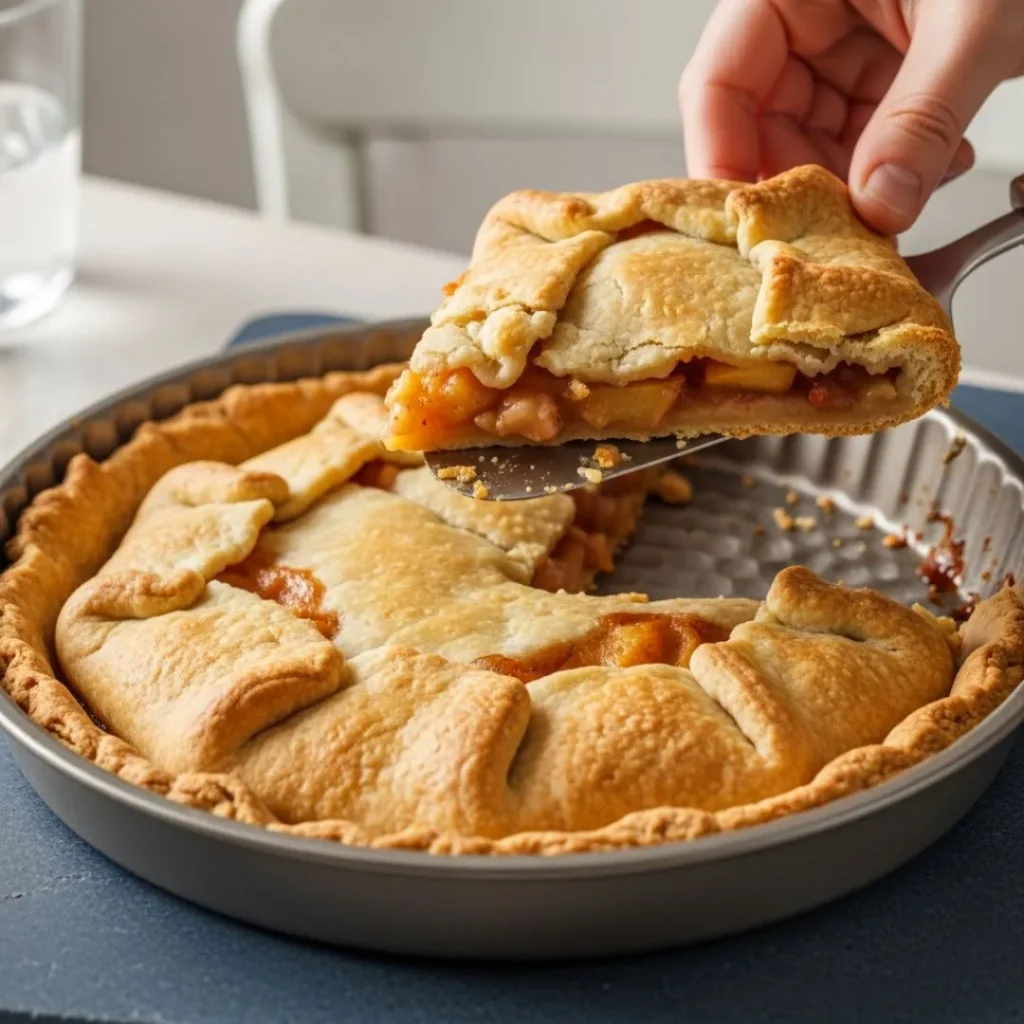
If your recipe calls for a tart pan but you only have a pie pan, you can proceed, but know that you are making a "galette" or a "crostada" – a free-form, rustic tart. The result will not have the clean, sharp edges of a traditional tart. Getting the crust out will be tricky, so plan to serve it directly from the pan. The baking time might also need adjustment due to the different depth and material.
Using a Tart Pan for a Pie Recipe:
This is a trickier substitution. A tart pan is not suited for a very juicy fruit pie, as the liquid filling could leak through the seam where the bottom meets the sides. It could work for a chiffon pie or a refrigerator pie with a pre-cooked filling, but for a traditional baked fruit pie, I would not recommend it. The risk of a leak is too high.
My advice? Invest in both. A basic 9-inch pie plate and a 9-inch tart pan with a removable bottom are inexpensive, versatile tools that will serve you for years and open up a whole new world of baking possibilities.
Choosing the Best Pan for Your Kitchen
When you're ready to build your bakeware collection, here’s what to look for:
For Your Pie Pan:
- Size: A 9-inch diameter is the standard for most recipes.
- Material: Start with a glass pie plate. Its transparency is a fantastic learning tool for judging crust color.
- Feature: Look for a rimmed edge for easy handling and crimping.
For Your Tart Pan:
- Size: A 9-inch round is the most common, but an 11-inch fluted tart pan is also great for larger gatherings.
- Material: A light-colored metal tart pan with a removable bottom is the gold standard.
- Feature: Ensure the bottom disk fits snugly into the ring.
For both, avoid very thin, flimsy metal, as it can warp in high heat and lead to uneven baking.
Caring for Your Bakeware
Proper care extends the life of your pans. For pie pans, handwashing is generally best to preserve any non-stick coating and prevent warping. For tart pans, especially those with removable bottoms, be very careful when washing the ring, as the fluted edges can be sharp. Always dry them thoroughly to prevent rusting. A little bit of thoughtful maintenance goes a long way.
Frequently Asked Questions (FAQ) for Pie Pan vs Tart Pan
Can I make a quiche in a tart pan?
Absolutely! A quiche is actually a type of savory tart. The tart pan will give you a beautifully crisp crust and clean slices. Just be sure to butter the pan well and seal any tiny gaps in your crust to prevent the egg mixture from leaking.
Why did my pie crust get a soggy bottom?
This is a universal pain point! It often happens because the filling is too wet or the oven temperature wasn't hot enough initially. Using a glass pie plate can help you monitor the bottom crust. Baking on a preheated baking sheet can also help transmit heat to the bottom crust more effectively.
What is a springform pan, and how is it different?
A springform pan has high, straight sides that unclamp and open, but it doesn't typically have a fluted edge. It's best for cakes like cheesecakes that are too delicate to invert. It's not ideal for a standard tart crust, which benefits from the all-around heat conduction of a solid metal ring.
Do I need to grease my pie pan or tart pan?
For a pie pan, it depends on the crust. A butter-based crust may not need it, but it never hurts. For a tart pan, you should always grease it, as the intricate fluted sides make release trickier.
What's the best way to clean a fluted tart pan?
A soft brush, like a silicone pastry brush or even a clean toothbrush, is perfect for getting into all the nooks and crannies of the fluted edges without scratching the pan.
Conclusion
The choice between a pie pan and a tart pan isn't about one being better than the other; it's about using the right tool for the specific dessert you want to create. The pie pan is your go-to for deep, comforting, juicy pies served right from the dish. The tart pan is your secret weapon for elegant, structured, crisp-crusted tarts meant to be showcased on a platter.
Understanding this difference has transformed my baking from a series of hopeful experiments into a much more predictable and joyful process. It solves the core pain points of broken crusts, overflowing fillings, and presentation disasters. As the renowned baker Maida Heatter advised, “Good baking is a constant process of learning.” And part of that learning is knowing your tools.
So, take a look at your recipe. Are you aiming for a homey, deep-dish comfort or a sleek, elegant showpiece? Your answer will tell you exactly which pan to pull from the cupboard. Happy baking!
Quotes:
- “A party without a cake is just a meeting.” - Julia Child
- “Good baking is a constant process of learning.” - Maida Heatter
- “Cooking is like love. It should be entered into with abandon or not at all.” - Harriet Van Horne