
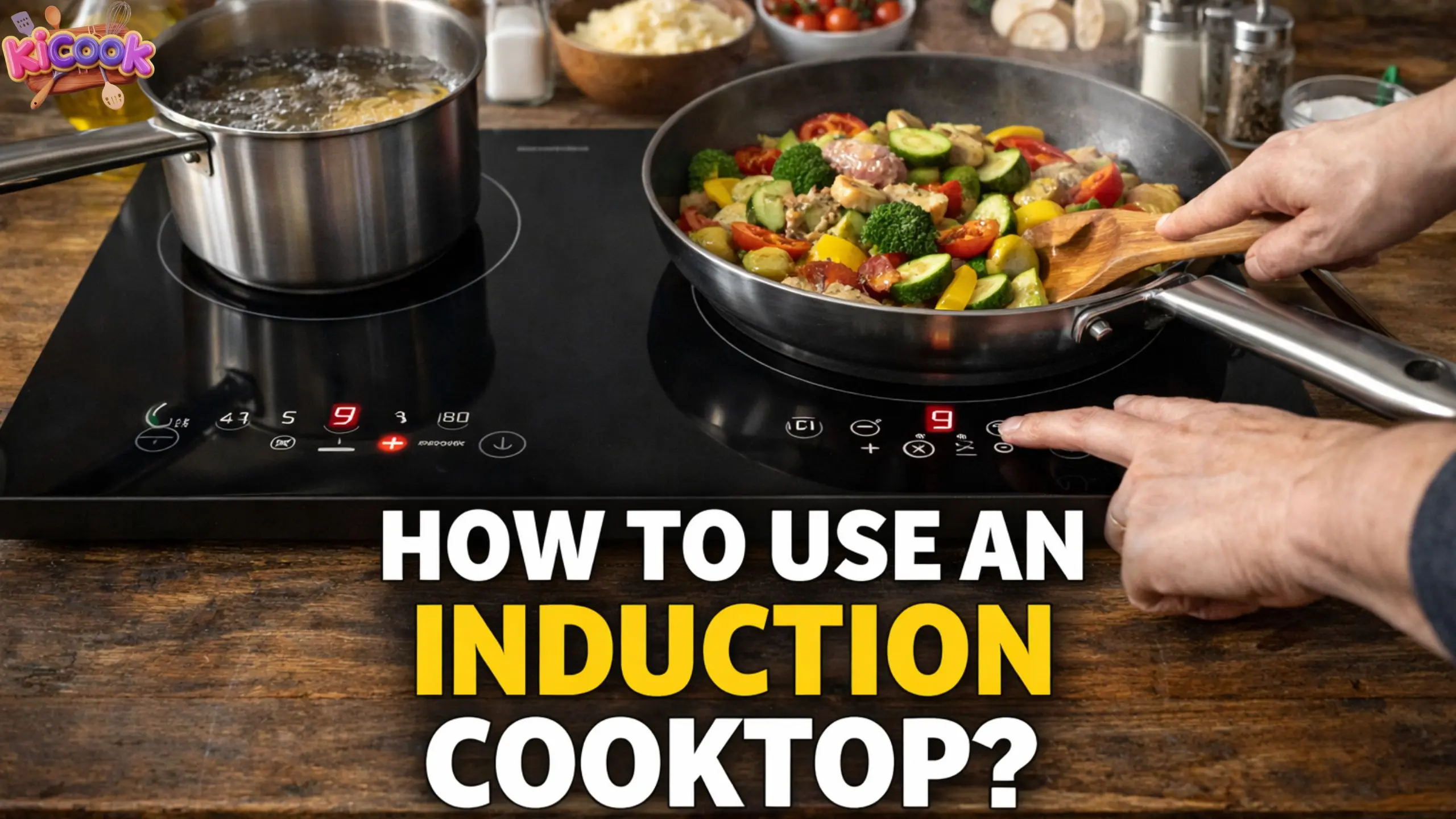
I use an induction cooktop by placing compatible cookware on the surface, selecting the cooking zone, setting the temperature or power level, and cooking with simple touch controls. It heats fast, cooks evenly, and turns off quickly, which makes daily cooking safer and easier for me.
I still remember the first time I cooked on an induction cooktop. I was excited, but also confused. The pan was on the surface, yet nothing happened. No flame. No glowing coil. I thought something was broken. Later, I learned that induction cooking works differently, and once I understood it, cooking became faster, cleaner, and less stressful.
In this guide, I’ll share my real experience using an induction cooktop at home. I’ll explain everything in clear, simple words, based on what actually works in everyday kitchens in the USA, UK, Canada, and London homes. I’ll also cover common pain points and how I solved them.
If you are new to induction cooking, this article is written for you.
What Is an Induction Cooktop?
An induction cooktop uses electromagnetic heating to warm your cookware directly. The cooktop surface stays mostly cool, while the pan heats up.
There is:
- No gas flame
- No electric coil
- Less heat loss
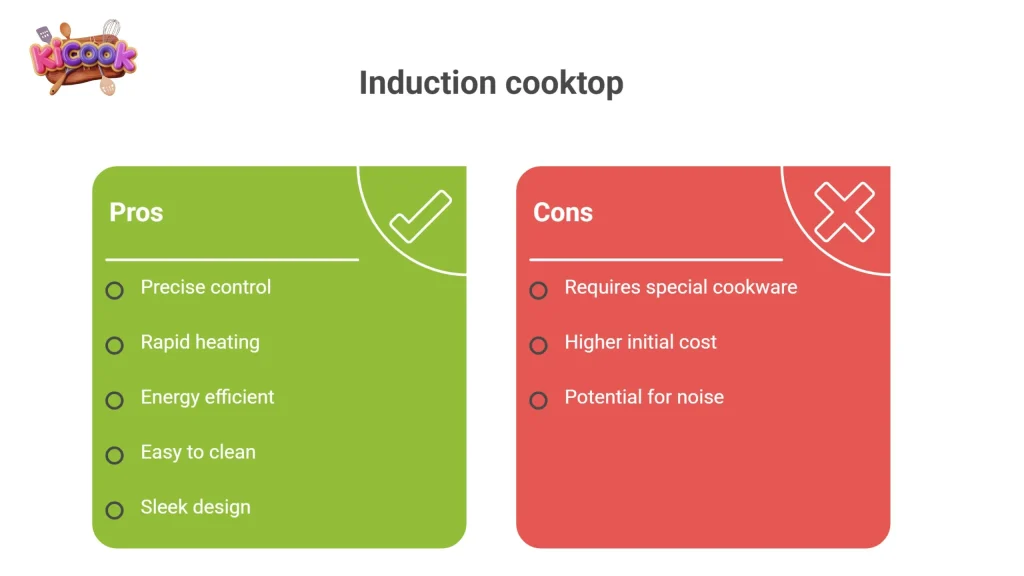
That is why induction cooking is fast, energy efficient, and safer than many traditional stoves.
My First Pain Points with Induction Cooking (And How I Fixed Them)
Before I explain how to use an induction cooktop step by step, let me talk honestly about the problems I faced.
1. “Why is my induction cooktop not heating?”
Problem: My pan was not induction compatible.
Solution: I switched to magnetic cookware (cast iron and stainless steel).
2. “Why does it turn off suddenly?”
Problem: The pan was too small or not centered.
Solution: I used the correct pan size and placed it properly.
3. “Food burns too fast”
Problem: Induction heats very quickly.
Solution: I lowered the power level and adjusted cooking time.
These are common issues for beginners, especially in UK flats and North American apartments where induction is becoming popular.
Step-by-Step: How I Use an Induction Cooktop Daily
Step 1: Check Induction-Compatible Cookware
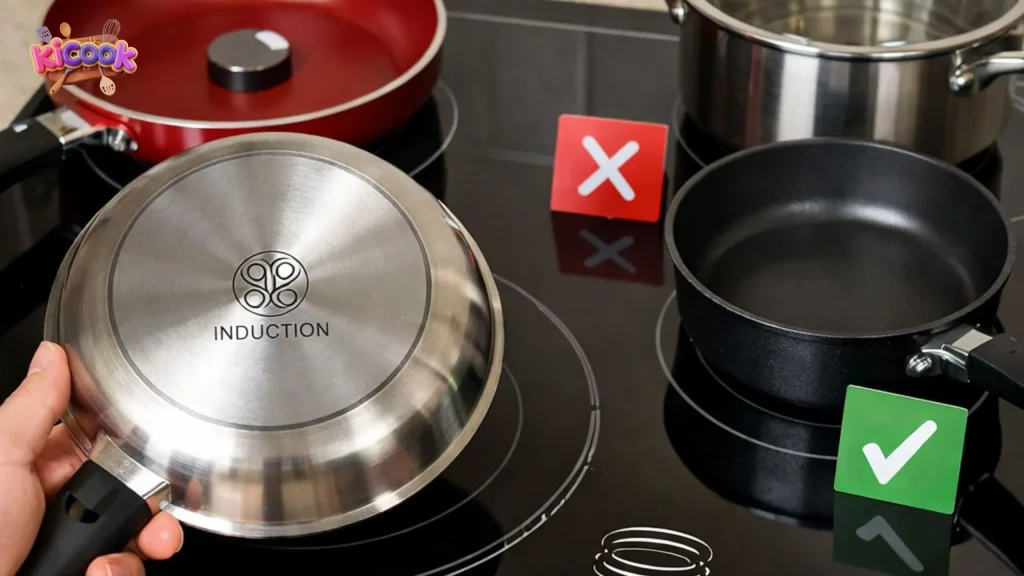
Induction cooktops only work with magnetic cookware.
I use:
- Cast iron pans
- Stainless steel pots
- Induction-ready nonstick pans
Quick test: If a magnet sticks to the bottom, it will work.
Step 2: Place the Pan Correctly
I place the pan:
- Flat on the glass surface
- Centered on the cooking zone
If the pan is off-center, the induction sensor may not detect it.
Step 3: Turn On the Induction Cooktop
Most induction cooktops in the USA, UK, and Canada have:
- Touch controls
- Power button
- Zone selection buttons
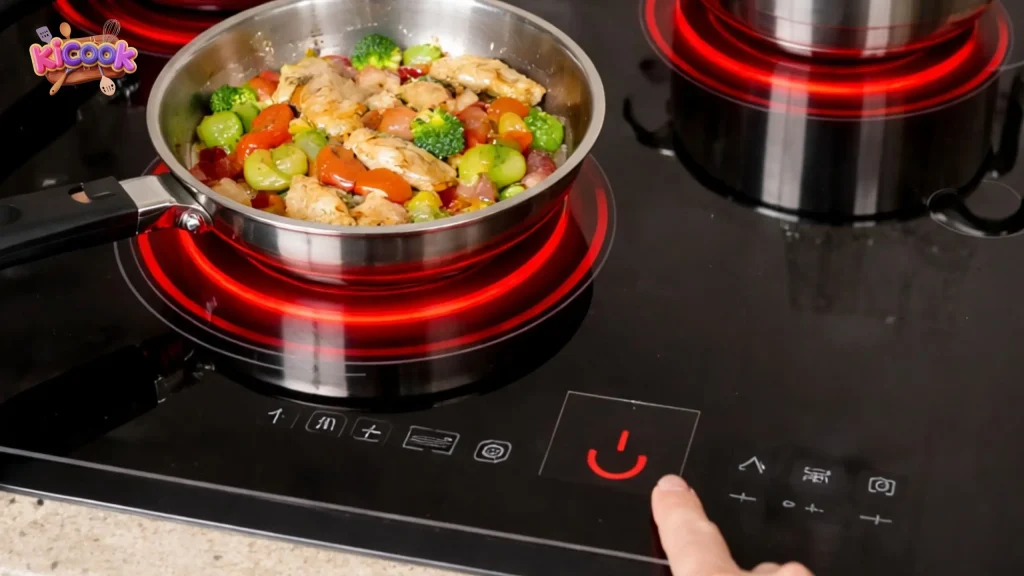
I press Power, select the cooking zone, and the display lights up.
Step 4: Set Power Level or Temperature
This is where induction cooking feels different.
I usually choose:
- Low (1–3) for simmering
- Medium (4–6) for sautéing
- High (7–9) for boiling
- Boost mode for fast heating
Food cooks faster, so I stay nearby.
Step 5: Start Cooking and Adjust as Needed
I add oil or butter, then ingredients.
I adjust heat quickly because induction responds instantly.
That control helps me avoid burning food.
Step 6: Turn It Off and Clean Easily
After cooking:
- I turn off the zone
- Remove the pan
- Wipe the surface with a damp cloth
Since spills don’t burn onto the surface, cleaning is easy.
Why I Prefer Induction Cooking Now
After using induction for a while, I noticed real benefits.
Faster Cooking
Water boils in minutes. Weeknight meals are quicker.
Better Energy Efficiency
Less heat is wasted. This matters with rising energy costs in the UK and Canada.
Safer Cooking
No flame. The surface cools fast. This helps in homes with kids or pets.
Precise Temperature Control
Great for sauces, eggs, and delicate foods.
Induction Cooktop Safety Tips I Always Follow
Safety is one reason induction cooktops are popular in modern apartments.
Here’s what I do:
- Never place empty pans on high heat
- Keep metal utensils away from the surface
- Use child lock features
- Avoid sliding heavy pans
These small habits prevent scratches and accidents.
Common Cooking Tasks on an Induction Cooktop (From My Experience)
Boiling Water
I use boost mode. It’s faster than gas.
Frying and Sautéing
I start at medium heat. Induction heats oil quickly.
Simmering
Low power works well for soups and sauces.
Cooking Rice and Pasta
Consistent heat helps even cooking.
“Induction cooking gives you control, but it rewards patience.”— Julia Child
Choosing the Right Induction Cooktop (Quick Advice)
If you are buying one in the USA, UK, or Canada, I look for:
- Multiple power levels
- Pan size detection
- Timer function
- Safety shut-off
Built-in and portable induction cooktops both work well, depending on your space.
Induction vs Gas vs Electric (My Honest Comparison)
| Feature | Induction | Gas | Electric |
|---|---|---|---|
| Speed | Very fast | Medium | Slow |
| Safety | High | Medium | Medium |
| Cleaning | Easy | Hard | Medium |
| Control | Very precise | Good | Less precise |
For small kitchens and apartments, induction is my top choice.
Cookware Mistakes I Made (So You Don’t)
- Using aluminum pans without induction base
- Using warped cookware
- Using oversized pans
Good cookware makes a big difference.
“Good cooking is about control, not speed.”— Gordon Ramsay
Induction Cooktop Maintenance Tips
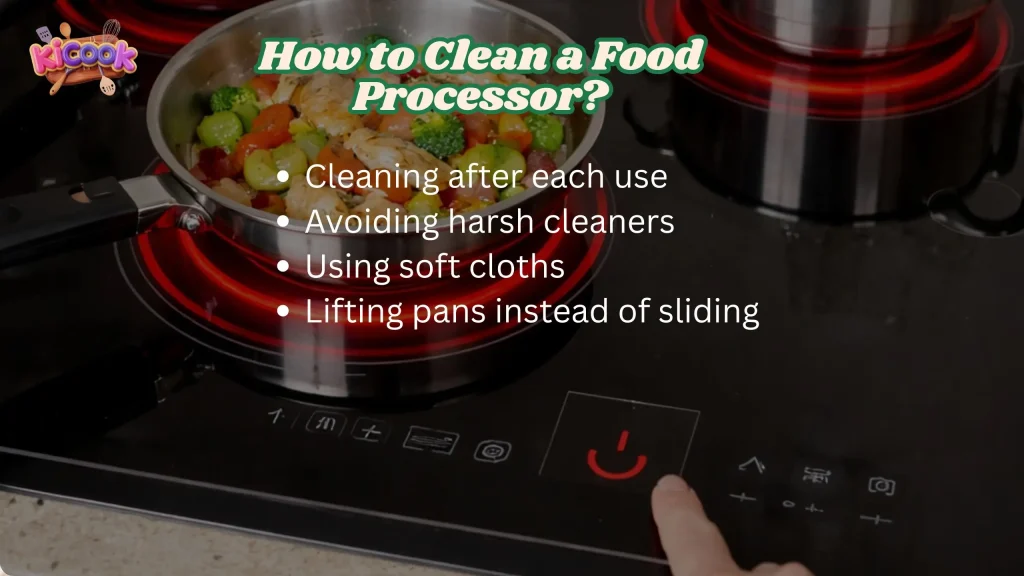
I keep my cooktop in good shape by:
- Cleaning after each use
- Avoiding harsh cleaners
- Using soft cloths
- Lifting pans instead of sliding
This helps prevent scratches and sensor issues.
For safety standards and appliance guidance, I found this government-backed resource useful
Frequently Asked Questions (From Real Users)
Is induction cooking safe for daily use?
Yes. I use it daily. There is no flame, and the surface cools quickly.
Can I use my old pots and pans?
Only if they are magnetic. Many older aluminum pans will not work.
Does induction cooking use more electricity?
No. It is more energy efficient than electric coil stoves.
Why does my induction cooktop make noise?
Some cookware makes a humming sound. It is normal.
Is induction cooking good for small kitchens?
Yes. It is perfect for apartments and condos in London, New York, Toronto, and similar cities.
“The best kitchen tools are the ones that reduce stress.”— Ina Garten
Final Thoughts: My Honest Take on Using an Induction Cooktop
After months of daily use, I can say this clearly: learning how to use an induction cooktop changed how I cook. Once I understood cookware compatibility, heat control, and safety features, cooking became smoother and more enjoyable.
If you are switching from gas or electric, expect a short learning phase. Stay patient, adjust heat levels, and use the right pans. The reward is faster meals, easier cleaning, and better control.
I wrote this guide to help you avoid the confusion I faced at the beginning. If you cook at home often and want efficiency without stress, induction cooking is worth learning.
Your kitchen should work for you, not against you—and induction helped me reach that balance.

“I believe great cooking starts with the right tools, trusted advice, and a little confidence in the kitchen.”
Hi, I’m Emma Carter. My love for cooking began in my grandmother’s kitchen, where I learned that every great meal starts with simple ingredients and the right cookware. Over the years, I’ve spent countless hours researching, testing, and comparing kitchen appliances, cookware, coffee makers, air fryers, and other everyday kitchen essentials.
Here at KiCook, my goal is to make your buying decisions easier with honest product reviews, practical buying guides, and easy-to-follow cooking tips. Whether you’re upgrading your kitchen or searching for the best appliance for your home, I focus on providing clear, reliable, and research-backed information you can trust.
When I’m not testing new kitchen gadgets or writing in-depth guides, you’ll usually find me trying new recipes, visiting local farmers’ markets, or enjoying a quiet cup of coffee while planning my next kitchen project.