
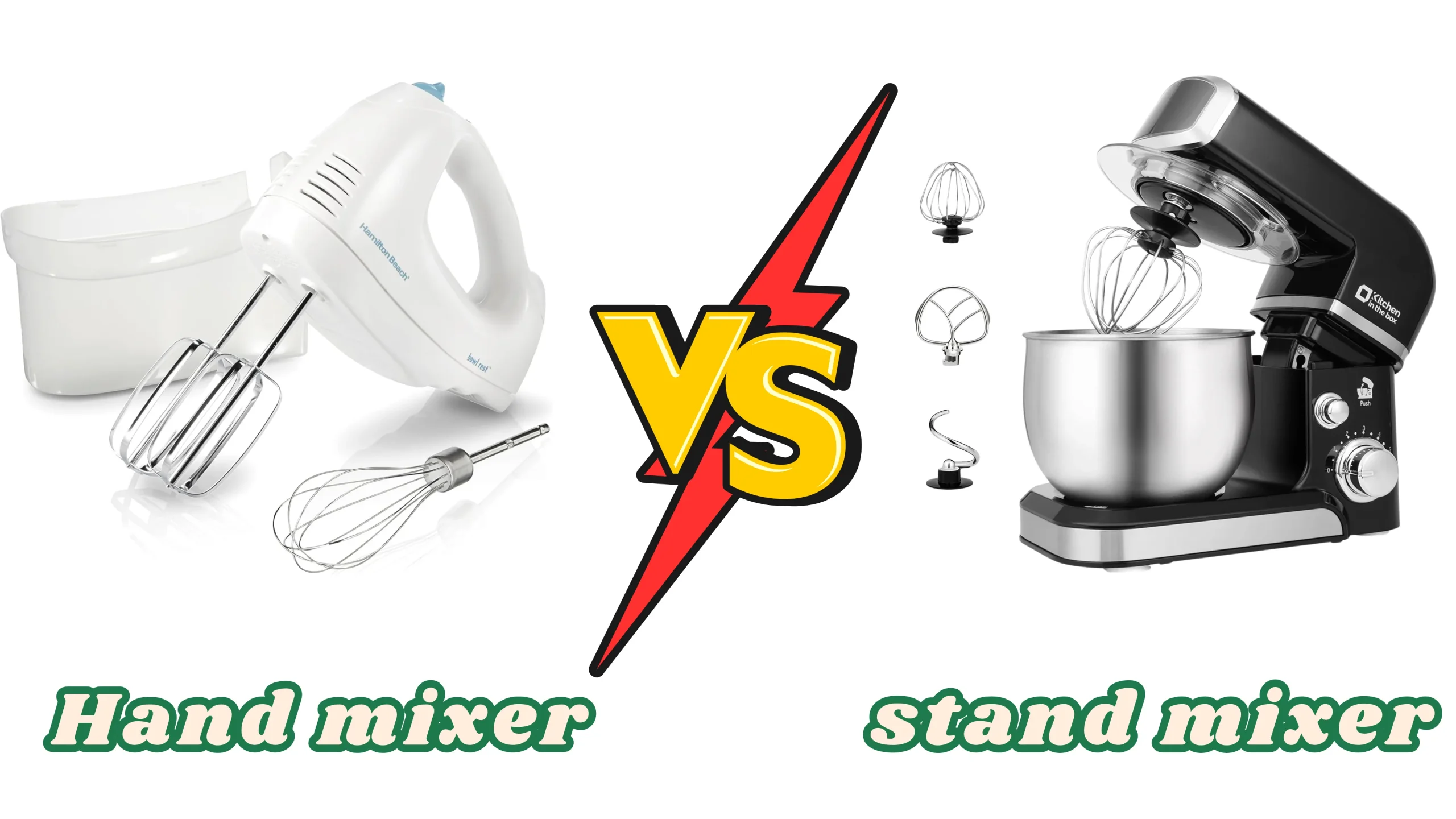
If you bake at home, even occasionally, you’ve probably wondered whether a hand mixer is enough or if it’s finally time to invest in a stand mixer. I’ve been in that exact spot standing in my kitchen, halfway through cookie dough, wondering why my arm hurts and whether a bigger machine would actually make things easier.
Most buyers I talk to are confused about three things: power, convenience, and value for money. A hand mixer looks simple and affordable, while a stand mixer seems powerful but bulky and expensive. So which one truly fits your kitchen and your baking habits?
I’ve tested both types for everyday recipes like cakes, whipped cream, cookie dough, and bread. In this guide, I’ll break down real differences so you can confidently decide which mixer suits your needs best.
Quick Comparison
| Feature | Hand Mixer | Stand Mixer |
|---|---|---|
| Price Range | Budget-friendly | Higher investment |
| Capacity | Small batches | Large batches |
| Core Function | Light mixing & whipping | Heavy mixing & kneading |
| Best For | Casual bakers, small kitchens | Frequent bakers, bread makers |
| One-Line Takeaway | Portable and simple | Powerful and hands-free |
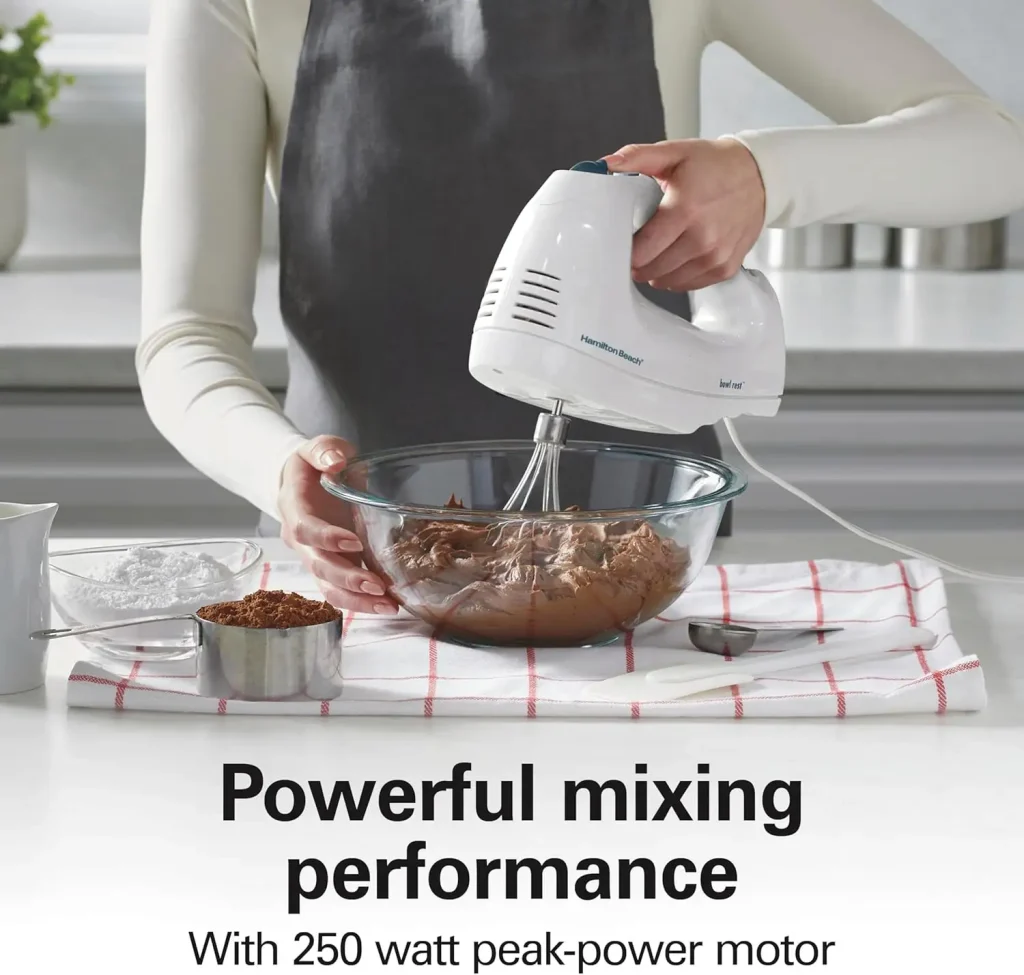
About Hand Mixer
Credit: Amazon
Check the latest Price on Amazon
Hand mixers are compact, lightweight electric mixers designed for quick, everyday mixing tasks. They usually come with basic beaters and sometimes dough hooks.
From my experience, this type of mixer is perfect for:
- Whipping cream or eggs
- Mixing cake batter
- Preparing small cookie batches
They’re ideal for people with limited storage space, beginners, or anyone who bakes once in a while and doesn’t want a bulky appliance on the counter.
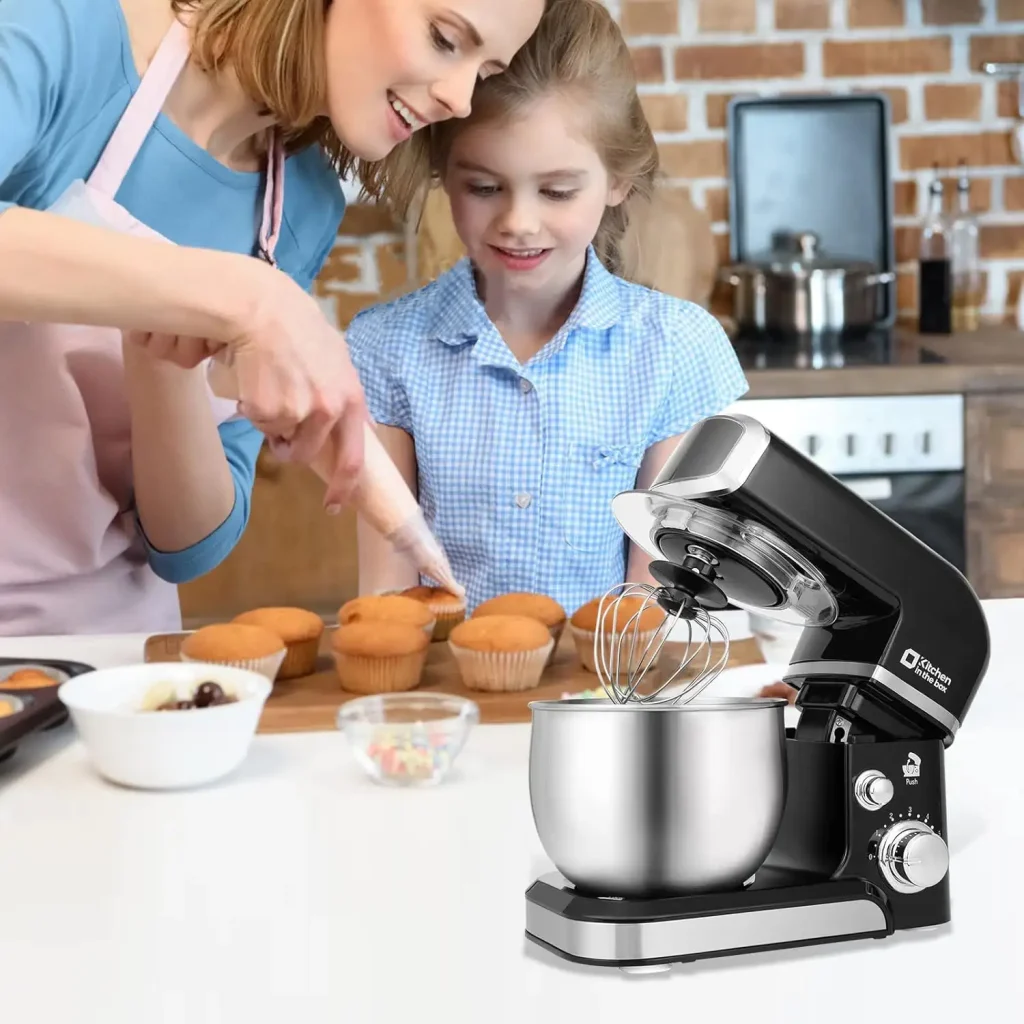
About Stand Mixer
Stand mixers are countertop machines with a motorized base and mixing bowl. They use a hands-free mixing system and often support multiple attachments.
These are designed for:
- Large batches of batter or dough
- Thick cookie dough
- Bread and pizza dough
I’ve found stand mixers best suited for serious home bakers, large families, or anyone who bakes weekly and wants less physical effort.
Credit: Amazon
Check the latest price on Amazon
Feature-by-Feature Comparison
| Feature | Hand Mixer | Stand Mixer |
|---|---|---|
| Design & Build Quality | Small, lightweight, and easy to store in a drawer | Heavier, sturdier build designed to stay on the countertop |
| Size / Capacity | Best for small to medium bowls and smaller batches | Comes with larger bowls for family-sized recipes |
| Performance | Great for light batters and whipping; struggles with thick dough | Handles heavy mixtures and thick dough without slowing down |
| Ease of Use | Requires holding and guiding the mixer the whole time | Hands-free operation, helpful for multitasking |
| Cleaning & Maintenance | Easy to clean; just remove and wash the beaters | More parts to clean, including bowl and attachments |
| Durability | Good for light tasks but may wear out with heavy use | Built for heavier tasks and generally lasts longer |
Real-World Performance Comparison
In my kitchen, the hand mixer shines for quick jobs. Whipping cream takes only a few minutes, and cake batter turns out smooth. But when I tried mixing thick cookie dough, I could feel the motor working hard, and my arm definitely got tired.
The stand mixer feels effortless by comparison. I can add ingredients while it mixes, and it handles dense dough without hesitation. Bread dough, which feels like a workout with a hand mixer, becomes almost effortless.
The downside? It takes up counter space, and I don’t always feel like pulling it out for small tasks.
Pros & Cons
Hand Mixer
| Pros | Cons |
|---|---|
| Lightweight and portable | Not ideal for heavy dough |
| Easy to store | Requires hands-on operation |
| Budget-friendly | Smaller batch capacity |
| Quick to clean | Can strain motor over time |
Stand Mixer
| Pros | Cons |
|---|---|
| Powerful motor | Expensive upfront |
| Hands-free mixing | Takes up counter space |
| Handles large batches | Heavier to move |
| Great for bread dough | More parts to clean |
Price vs Value Analysis
| Factor | Hand Mixer | Stand Mixer |
|---|---|---|
| Initial Cost | Low | High |
| Long-Term Value | Good for light use | Excellent for frequent baking |
| Best ROI For | Occasional bakers | Serious or weekly bakers |
If you bake once or twice a month, a hand mixer offers better value. If you bake weekly or make bread often, a stand mixer pays off in time and effort saved.
Who Should Choose Which Product?
Choose a Hand Mixer if you…
- Bake occasionally
- Have a small kitchen
- Mostly make cakes, frosting, or whipped cream
- Want a low-cost option
Choose a Stand Mixer if you…
- Bake frequently
- Make bread or thick dough
- Cook for a family
- Prefer hands-free convenience
Common Concerns & Deal-Breakers
Noise: Stand mixers can be louder, especially on high speeds. Hand mixers are noisy too but run for shorter periods.
Size Limitations: Hand mixers can’t handle large or very thick batches well. Stand mixers need permanent counter space.
Ease of Cleaning: Hand mixers win here. Stand mixers involve more washing.
Reliability: Stand mixers are built for heavier use, while hand mixers can overheat if pushed too hard.
Final Verdict
After using both, I see them as tools for different types of bakers.
If you want something simple for occasional baking, the hand mixer is the smarter, space-saving choice. But if baking is a regular activity in your home — especially bread or big batches — the stand mixer is absolutely worth the investment.
For light, quick recipes → Hand Mixer wins
For power, capacity, and convenience → Stand Mixer wins
FAQs for Hand Mixer vs Stand Mixer
Can a hand mixer replace a stand mixer?
For light tasks like whipping and cake batter, yes. For bread dough or large batches, not really.
Is a stand mixer worth it for beginners?
Only if you plan to bake often. Otherwise, a hand mixer is enough to start.
Which mixer is better for cookie dough?
Soft cookie dough works with a hand mixer, but thick dough is easier with a stand mixer.
Do stand mixers last longer than hand mixers?
Generally, yes. They’re built with stronger motors for heavier work.
Is cleaning a stand mixer difficult?
Not difficult, just more parts to wash compared to a hand mixer.
Affiliate Disclosure:
Some links on this site are affiliate links. If you buy through them, I may earn a small commission at no extra cost to you. I only recommend products I trust and believe are helpful. Thanks for supporting my work!

“I believe great cooking starts with the right tools, trusted advice, and a little confidence in the kitchen.”
Hi, I’m Emma Carter. My love for cooking began in my grandmother’s kitchen, where I learned that every great meal starts with simple ingredients and the right cookware. Over the years, I’ve spent countless hours researching, testing, and comparing kitchen appliances, cookware, coffee makers, air fryers, and other everyday kitchen essentials.
Here at KiCook, my goal is to make your buying decisions easier with honest product reviews, practical buying guides, and easy-to-follow cooking tips. Whether you’re upgrading your kitchen or searching for the best appliance for your home, I focus on providing clear, reliable, and research-backed information you can trust.
When I’m not testing new kitchen gadgets or writing in-depth guides, you’ll usually find me trying new recipes, visiting local farmers’ markets, or enjoying a quiet cup of coffee while planning my next kitchen project.