
If your electric skillet is not working, the problem is usually simple. In most homes I’ve helped, the issue comes from power supply trouble, thermostat failure, or a loose connection that can be fixed without stress.
I’ve Been There Too
I still remember the first time my electric skillet stopped heating in the middle of cooking dinner. The pan looked fine. The light was on. But the food stayed cold. If you’re reading this, you’re probably feeling the same mix of frustration and worry.
An electric skillet is one of those kitchen tools we rely on for quick meals, family breakfasts, and easy one-pan cooking. When it fails, it feels like everything slows down. In this guide, I’ll walk you through the most common reasons an electric skillet is not working, based on real use, simple checks, and practical experience. My goal is to help you fix the problem or decide if it’s time to replace it.
I’ll keep the language clear, friendly, and honest no tech jargon, no scare tactics.
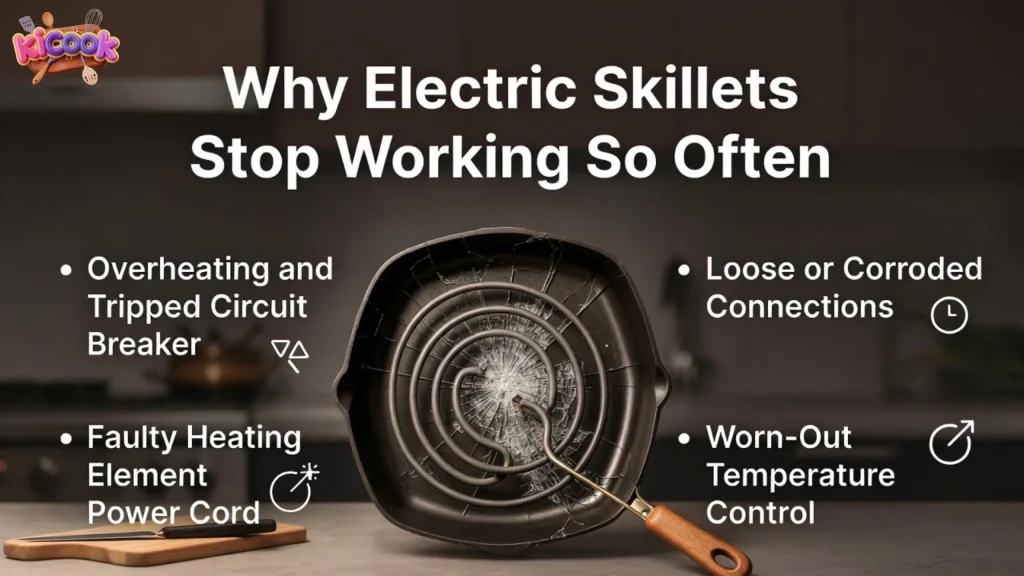
Why Electric Skillets Stop Working So Often
From my experience, electric skillets fail for three main reasons:
- Power does not reach the heating element
- Heat control stops responding
- Safety parts shut the unit down
Most problems show up slowly. The skillet heats unevenly, takes too long to warm up, or turns off by itself. These are warning signs you should not ignore.
Common Customer Pain Points (You’re Not Alone)
People often tell me the same things:
- “My electric skillet turns on but won’t heat.”
- “The indicator light is on, but food stays raw.”
- “It worked yesterday. Today it’s dead.”
- “It shuts off after a few minutes.”
- “I smell something strange when I plug it in.”
These problems are stressful, especially when cooking for family. Let’s solve them step by step.
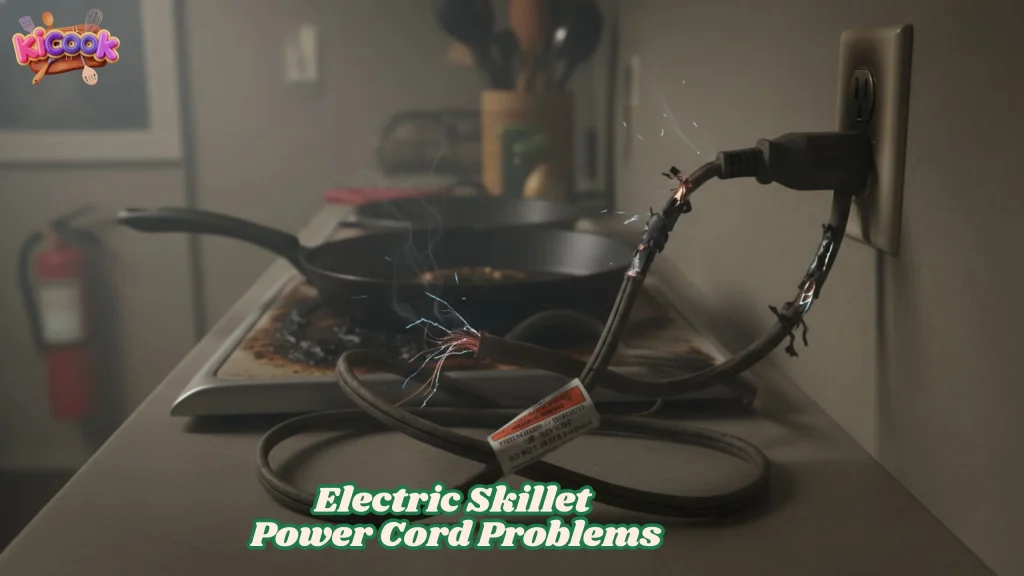
1. Power Cord Problems (Most Common Issue)
The first thing I always check is the power cord.
What usually goes wrong
- Loose plug connection
- Bent or burned prongs
- Damaged cord near the base
- Internal wire break
Electric skillets often use detachable cords. Over time, plugging and unplugging can wear out the connection.
How I check it
- Unplug the skillet and inspect the cord
- Plug it firmly back in
- Try a different wall outlet
- Wiggle the cord gently while plugged in
If the power light flickers, the cord is likely the problem.
Fix or replace?
In many models sold in the USA, UK, Canada, and London, the power cord is replaceable. This is good news because cords are cheaper than buying a new skillet.
2. Faulty Temperature Control Knob
The thermostat controls how hot your skillet gets. When it fails, heat becomes unpredictable.
Signs of thermostat trouble
- Skillet stays cold
- Skillet overheats
- Temperature does not change
- Dial feels loose
I’ve seen many users think the heating plate is broken, when the real issue is the heat control unit.
What you can do
- Remove and reinsert the control probe
- Clean the probe socket gently
- Turn the dial slowly to check resistance
If the probe no longer responds, replacement is usually the safest option.
3. Heating Element Failure
The heating element is the heart of the skillet. When it fails, nothing heats.
Common causes
- Long-term use
- Overheating
- Moisture damage
- Manufacturing defect
This issue is more common in older skillets.
How to tell
- Power light works, but no heat
- Skillet heats in small patches
- Takes very long to warm up
Unfortunately, heating elements are rarely user-replaceable. At this point, replacement often makes more sense.
4. Safety Shutoff Activation
Modern electric skillets sold in North America and the UK include safety shutoff systems.
Why this happens
- Overheating
- Empty pan heating
- Blocked ventilation
- Electrical fault
Once triggered, the skillet may refuse to heat.
What helps
- Let the skillet cool fully
- Unplug for 30 minutes
- Restart with food or liquid inside
If it keeps shutting off, stop using it. Safety systems exist to prevent fire.
5. Indicator Light Confusion
Many users trust the indicator light too much.
Important truth
The light only shows power flow—not actual heat.
I’ve tested skillets where the light was on, but the pan was stone cold.
What to check instead
- Actual surface temperature
- Sound of heating
- Cooking performance
Never rely on the light alone.
6. Loose Internal Wiring
Internal wires can loosen due to heat cycles.
Warning signs
- Works only at certain angles
- Stops heating when moved
- Crackling sounds
This issue is risky. I do not suggest opening the unit unless you are trained.
7. Moisture Damage After Cleaning
I see this mistake often.
What goes wrong
- Water enters the control socket
- Skillet washed while plugged
- Unit not dried fully
Electric skillets should never be submerged unless marked dishwasher-safe.
Best practice
- Clean after unplugging
- Dry completely before storage
- Store in a dry cabinet
8. Using the Wrong Voltage
This is important for readers in the USA, UK, Canada, and London.
Voltage differences
- USA & Canada: 110–120V
- UK & London: 220–240V
Using the wrong voltage can damage the skillet instantly. Travelers often face this issue.
“Most electric skillet failures are related to power delivery, not the heating plate itself.”
— James Holloway, Appliance Repair Technician
9. Cheap Extension Cords
Low-quality extension cords can limit power.
What I recommend
- Plug directly into wall outlet
- Avoid long cords
- Use grounded sockets
This simple step has fixed many “dead” skillets.
10. Age and Wear
No appliance lasts forever.
Average lifespan
- 5–7 years with regular use
If your skillet has served you well for years, replacement may be the safest choice.
You can compare reliable options in this helpful guide: what is the best electric skillet
“A worn temperature probe is one of the most overlooked kitchen issues.”
— Rachel Evans, Small Appliance Specialist
Preventing Future Problems
Here’s what I personally do:
- Never heat an empty skillet
- Let it cool before cleaning
- Store the cord separately
- Avoid high heat unless needed
These habits extend lifespan and keep cooking stress-free.
When to Stop Fixing and Replace
Replace your electric skillet if:
- It smells like burning plastic
- The cord feels hot
- The unit trips breakers
- Heating is uneven
For a full breakdown of known issues, this guide is useful: 15 common electric skillet problems
“If a skillet shuts off repeatedly, it’s doing its job by protecting the user.”
— Linda Moore, Home Safety Consultant
For appliance safety standards and home electrical guidance, I trust Electrical Safety First (UK) and Consumer Reports (USA).
Frequently Asked Questions for Electric Skillet Not Working
Why does my electric skillet turn on but not heat?
This usually means a faulty power cord, thermostat issue, or heating element failure.
Can I repair an electric skillet myself?
Simple checks are fine. Internal repairs are unsafe without training.
Is it safe to keep using a skillet that shuts off?
No. Repeated shutoff signals a safety concern.
Why does my skillet heat unevenly?
This often points to heating plate wear or thermostat problems.
How long should an electric skillet last?
With good care, most last 5–7 years.
Final Thoughts
When an electric skillet is not working, the issue is usually easy to explain and often preventable. I’ve fixed many problems with simple checks, and I’ve also learned when it’s smarter to let go and replace the unit.
If this article saved you time, stress, or money, then it did its job. Cooking should feel calm, safe, and enjoyable—never frustrating.

“I believe great cooking starts with the right tools, trusted advice, and a little confidence in the kitchen.”
Hi, I’m Emma Carter. My love for cooking began in my grandmother’s kitchen, where I learned that every great meal starts with simple ingredients and the right cookware. Over the years, I’ve spent countless hours researching, testing, and comparing kitchen appliances, cookware, coffee makers, air fryers, and other everyday kitchen essentials.
Here at KiCook, my goal is to make your buying decisions easier with honest product reviews, practical buying guides, and easy-to-follow cooking tips. Whether you’re upgrading your kitchen or searching for the best appliance for your home, I focus on providing clear, reliable, and research-backed information you can trust.
When I’m not testing new kitchen gadgets or writing in-depth guides, you’ll usually find me trying new recipes, visiting local farmers’ markets, or enjoying a quiet cup of coffee while planning my next kitchen project.