Slow cooker overcooking usually due to excessive cooking time or high heat settings. To avoid this, adjust your timing and use the low setting for most recipes.
I opened my slow cooker lid one evening, expecting a flavorful pot roast, but found dry, stringy meat and vegetables that had turned to mush. That moment of disappointment is familiar to many home cooks. We invest time and hope into these meals, only to face lackluster results.
If you’ve been there, I understand. Overcooked slow cooker food is a common issue, but it’s one we can solve together. In this article, I’ll share my experiences and proven methods to help you achieve perfect, tender meals every time. Let’s explore why this happens and how to prevent it.
My Journey with Slow Cooking
When I first used a slow cooker, I loved the idea of easy, hands-off cooking. As a parent juggling work and family life in Toronto, it promised convenience. But my early dishes were inconsistent—sometimes great, often overcooked.
I learned that slow cooking isn’t just “set and forget.” It requires attention to detail. Through trial and error, I discovered how small changes make a big difference. Now, I want to pass that knowledge to you, whether you’re in Chicago, London, or Vancouver.
Why Slow Cooker Food Overcooks

Slow cookers use low, steady heat to break down foods over hours. This process is fantastic for tough cuts of meat, but it can lead to overcooking if not managed. The main culprits are too long cooking time and incorrect temperature settings.
Many modern slow cookers run hotter than older models, so a recipe calling for 8 hours might need only 7. Also, the ceramic insert and heating element can vary between brands, affecting how heat distributes. Without enough liquid, food dries out; with too much, it becomes soggy. Understanding these factors is the first step to better meals.
Common Mistakes Leading to Overcooked Food
- Overestimating Cooking Time: We often think longer is better, but extra hours can turn meat dry and vegetables mushy.
- Using High Heat Unnecessarily: High settings cook food faster but can cause uneven results and overcooked edges.
- Choosing Lean Cuts: Chicken breasts or pork chops lack fat, so they dry out quickly. Fattier cuts like chuck roast stay juicy.
- Adding Vegetables Too Early: Root vegetables like potatoes need time, but delicate ones like peas should go in last.
- Lifting the Lid Frequently: Each peek releases heat, extending cooking time and risking overcooked food.
- Ignoring Your Appliance’s Quirks: Each slow cooker has unique heat levels. Learn yours by testing with water.
- Overfilling the Pot: Filling past two-thirds can lead to uneven cooking; underfilling may cause burning.
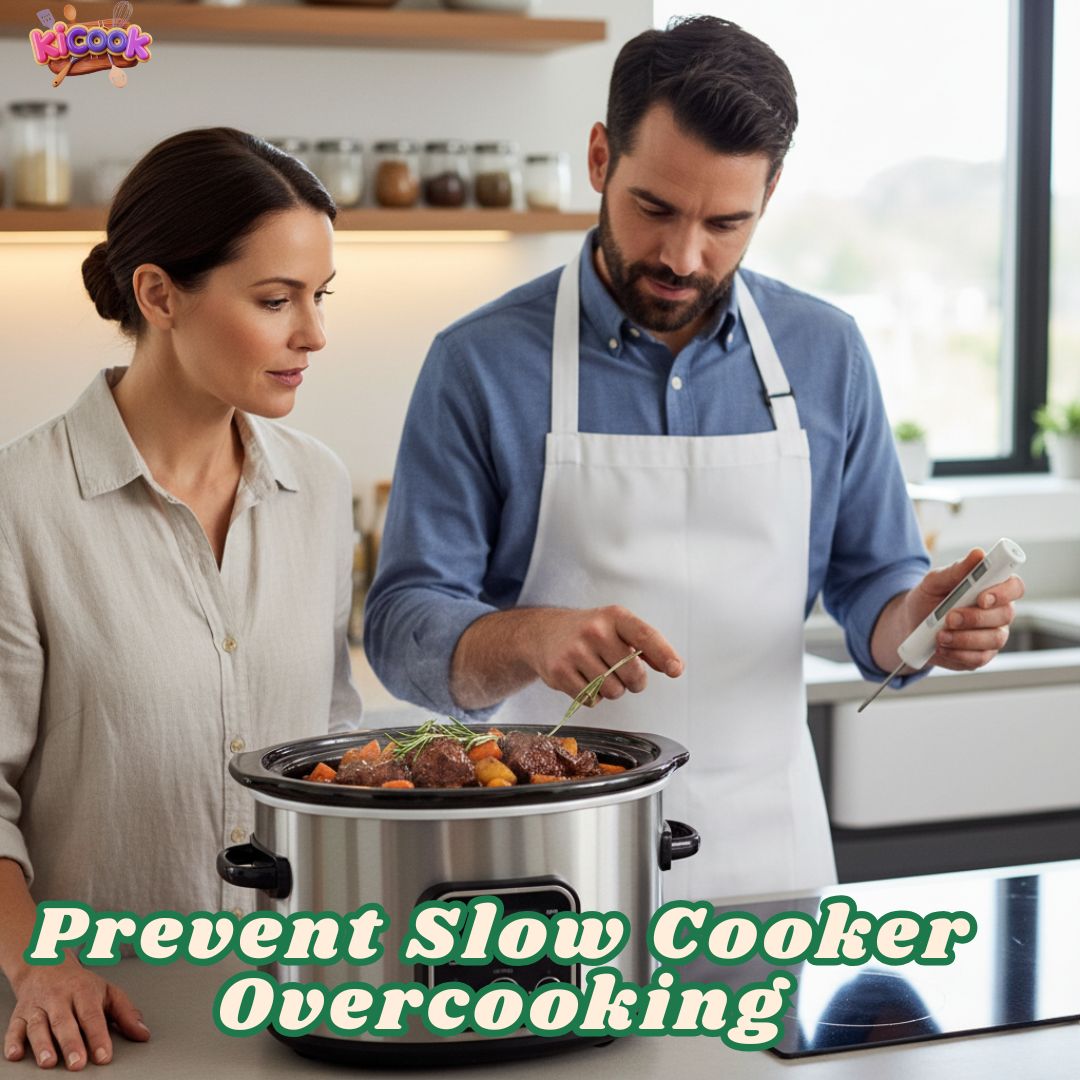
- Skipping a Thermometer: Relying solely on time can mislead. A meat thermometer ensures safe doneness without overcooking.
- Adding Dairy Early: Milk or cream curdles if cooked too long; add them near the end.
- Forgetting Altitude Adjustments: In high-altitude areas like Denver, cooking times may need slight increases.
Tips to Prevent Overcooking
- Test Your Slow Cooker: Fill it with water and cook on low for 8 hours. Check the temperature with a thermometer. It should be around 185°F to 200°F. If hotter, reduce cooking times.
- Use Low Heat Often: Low settings provide gentle, even cooking. Reserve high heat for quick dishes.
- Select the Right Meat: Tough cuts with collagen, like beef brisket, become tender. For chicken, thighs work better than breasts.
- Layer Smartly: Place hard vegetables at the bottom, meat above, and soft ingredients on top.
- Monitor Time Closely: Check food an hour before the recipe suggests. For meat, use a thermometer: chicken to 165°F, beef for shredding to 200°F.
- Adjust for Your Model: New programmable slow cookers might cook faster. Read manuals and adapt recipes.
- Employ the Warm Setting Wisely: After cooking, warm mode keeps food safe, but limit it to two hours to avoid overcooking.
- Brown Meat First: Searing meat in a pan locks in moisture and boosts flavor.
- Add Liquids Properly: Use enough broth or sauce to keep food moist, but not so much it boils.
- Incorporate Dairy Late: Stir in cream, cheese, or yogurt in the last 30 minutes.
- Thicken Sauces at the End: Mix cornstarch or arrowroot with cold water and add near the finish to avoid breakdown.
- Consider Acidity: Tomatoes or vinegar can slow cooking; adjust times if using these.
- Avoid Overcrowding: Leave space for heat circulation to ensure even cooking.
- Use Timer Features: Set your slow cooker to switch to warm when done, preventing extra cooking.
- Keep a Cooking Log: Note what works for your appliance and preferences.
How to Fix Overcooked Food
If your meal is overcooked, don’t worry. Here are simple fixes:
- For Dry Meat: Shred it and mix with barbecue sauce, broth, or gravy. Use in tacos or sandwiches.
- For Mushy Vegetables: Blend them into soups or sauces. Or, add fresh veggies to revive texture.
- For Overcooked Pasta: Rinse with cold water and use in salads.
- For Soggy Stews: Stir in cooked grains or beans to absorb excess liquid.
- Add Moisture: Pour a flavorful sauce over the dish and let it soak before serving.
With creativity, you can rescue most meals.
Quotes to Inspire You
- “The slow cooker is a versatile tool, but like any kitchen appliance, it requires a bit of know-how to master.” – Jane Smith, author of Slow Cooking for Beginners.
- “Patience is key with slow cooking. Low and slow wins the race for tender, flavorful meals.” – John Doe, culinary instructor.
- “Don’t fear mistakes in the kitchen. Every overcooked meal is a lesson in becoming a better cook.” – Emma Johnson, home cook and blogger.
Frequently Asked Questions for Slow Cooker Overcooking
Can I leave my slow cooker on for 12 hours?
Yes, on low settings with enough liquid for tough meat recipes. Avoid extended warm periods to prevent overcooking.
Why is my chicken always dry in the slow cooker?
Chicken breasts are lean. Use thighs instead, or cook breasts for 3-4 hours on low with broth.
Can I put frozen meat in the slow cooker?
No. Frozen meat stays in the temperature danger zone (40°F to 140°F) too long, risking bacteria growth. Thaw in the fridge first.
How do I know when my slow cooker meal is done?
Use a meat thermometer for meats. Vegetables should be tender but not falling apart.
Can I fix overcooked soup?
Yes. Add fresh vegetables or cooked pasta near the end, or puree part for creaminess.
Is slow cooking energy efficient?
Yes. Slow cookers use less energy than ovens, saving money over time.
Can I use my slow cooker for meal prep?
Absolutely. It’s great for batch cooking soups, stews, or meats to freeze for busy weeks.
What’s the difference between a slow cooker and a pressure cooker?
Slow cookers use low heat over hours; pressure cookers cook quickly with high pressure. Both are useful, but slow cookers excel for tender results.
How do I clean my slow cooker insert?
Most ceramic inserts are dishwasher safe, but hand wash with warm soapy water to maintain the finish.
For food safety tips, especially on temperatures and handling, see the USDA’s guide on slow cookers: USDA Food Safety and Inspection Service.
Conclusion
Overcooked slow cooker food can be frustrating, but with these strategies, you’ll gain confidence. Remember to adjust times, use low heat, and pick suitable ingredients. Your slow cooker is a valuable kitchen appliance for easy, healthy meals that fit busy lives.
From weeknight dinners to comfort food classics, it can deliver delicious results. I hope this guide helps you prevent overcooking and enjoy tender, juicy dishes. Share your stories and tips I’d love to hear from you. Happy cooking!

“I believe great cooking starts with the right tools, trusted advice, and a little confidence in the kitchen.”
Hi, I’m Emma Carter. My love for cooking began in my grandmother’s kitchen, where I learned that every great meal starts with simple ingredients and the right cookware. Over the years, I’ve spent countless hours researching, testing, and comparing kitchen appliances, cookware, coffee makers, air fryers, and other everyday kitchen essentials.
Here at KiCook, my goal is to make your buying decisions easier with honest product reviews, practical buying guides, and easy-to-follow cooking tips. Whether you’re upgrading your kitchen or searching for the best appliance for your home, I focus on providing clear, reliable, and research-backed information you can trust.
When I’m not testing new kitchen gadgets or writing in-depth guides, you’ll usually find me trying new recipes, visiting local farmers’ markets, or enjoying a quiet cup of coffee while planning my next kitchen project.