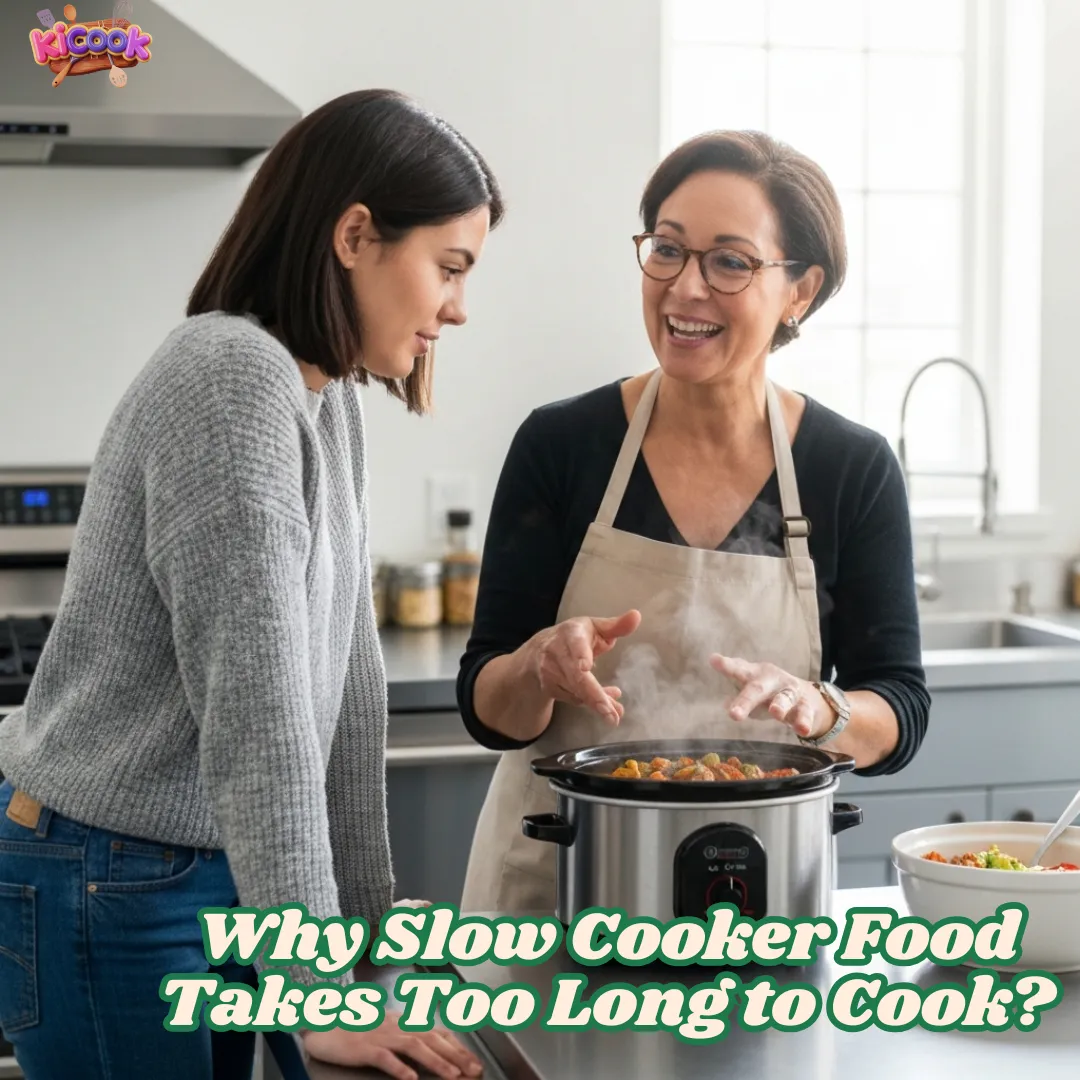
Slow cooker food takes too long to cook because it uses low, steady heat to cook food safely and evenly over many hours. This slow process helps soften tough ingredients, blend flavors, and prevent burning, but it can feel frustrating when you expect faster results.
I use a slow cooker regularly at home, both on busy weekdays and relaxed weekends. I love the idea of adding ingredients in the morning and eating a warm meal at night. Still, I often hear people say, “Why does slow cooker food take so long to cook?” I asked the same question myself in the beginning.
If you are in the USA, UK, London, or Canada, your daily routine may not always match the slow cooker schedule. Long work hours, family duties, and traffic make waiting 6 to 10 hours feel painful. I get it. In this guide, I will explain why slow cooker cooking time is long, the real problems people face, and simple solutions that actually help.
How a Slow Cooker Works (Simple Explanation)
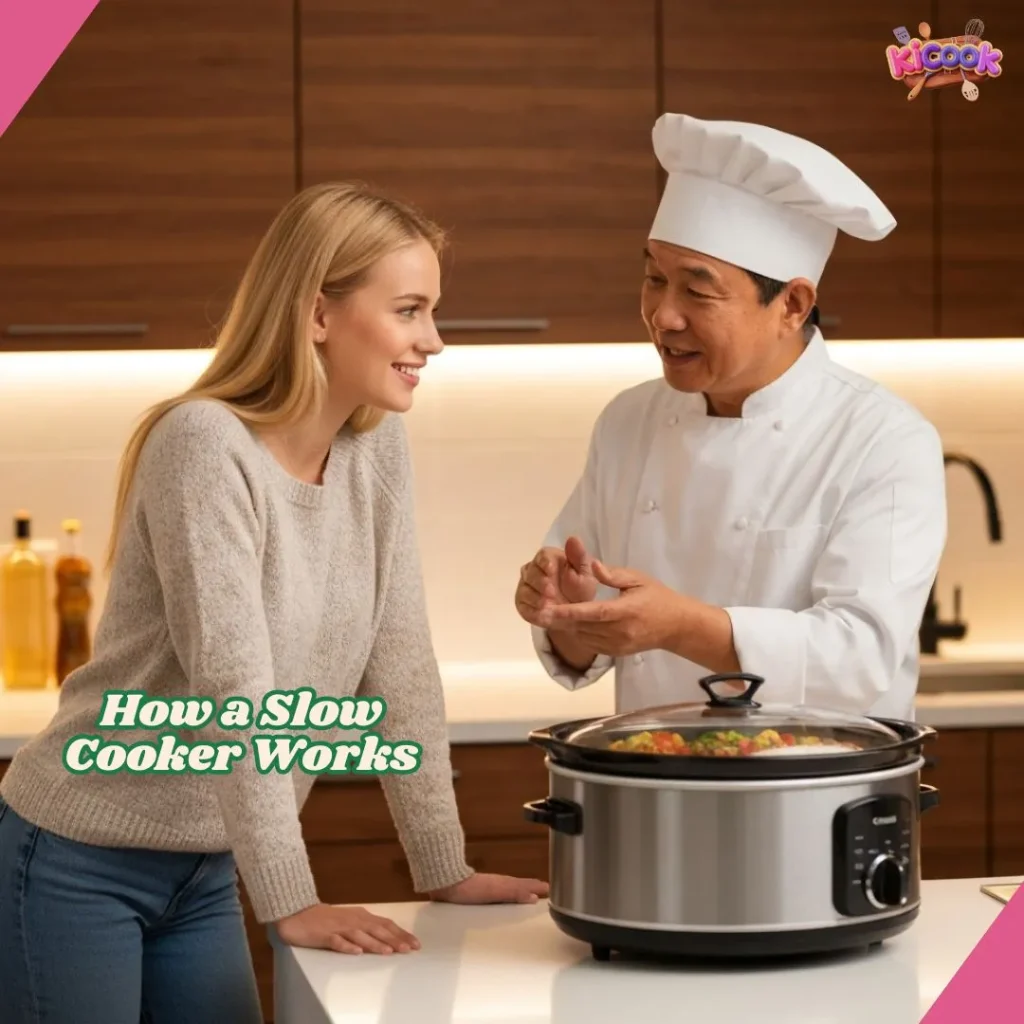
A slow cooker uses low heat cooking over a long time. Unlike an oven or pressure cooker, it heats food slowly and keeps moisture inside.
Here is what happens:
- Heat rises gently from the base and sides
- Food cooks between 170°F–280°F (77°C–138°C)
- Steam stays trapped under the lid
- Food cooks safely without burning
This design explains why slow cooker meals take hours, not minutes.
Main Reasons Why Slow Cooker Food Takes Too Long to Cook
1. Low Temperature Is the Main Reason
Slow cookers are made for safe, slow cooking, not speed.
High heat is still lower than oven heat.
Pain point:
“I put chicken in for 4 hours, and it’s still not done.”
Solution:
Use the High setting, and always preheat liquids before adding them.
2. Cold Ingredients Slow Everything Down
Adding cold meat straight from the fridge increases cooking time.
Common mistake:
Frozen chicken, cold broth, cold vegetables.
Fix:
Let meat sit at room temperature for 15–20 minutes.
3. Too Much Liquid Delays Cooking
Many people add extra water or stock.
Slow cookers do not lose moisture like stovetops.
Result:
Food boils instead of cooks slowly.
Tip:
Use less liquid than recipes suggest.
4. Lifting the Lid Adds 30 Minutes Each Time
I used to check food often. Big mistake.
Every lid lift releases heat.
Reality:
One peek = up to 30 minutes extra cooking time.
5. Overloading the Slow Cooker
If your cooker is too full, heat cannot circulate.
Best rule:
Fill only ½ to ⅔ full.
6. Size of Ingredients Matters
Large chunks of potatoes or beef take longer.
Fix:
Cut food into even, medium-sized pieces.
7. Old or Cheap Slow Cooker Models
Some older slow cookers heat unevenly.
This is common in older homes in the UK and Canada.
Check:
If food takes longer than recipe time every time, it may be the appliance.
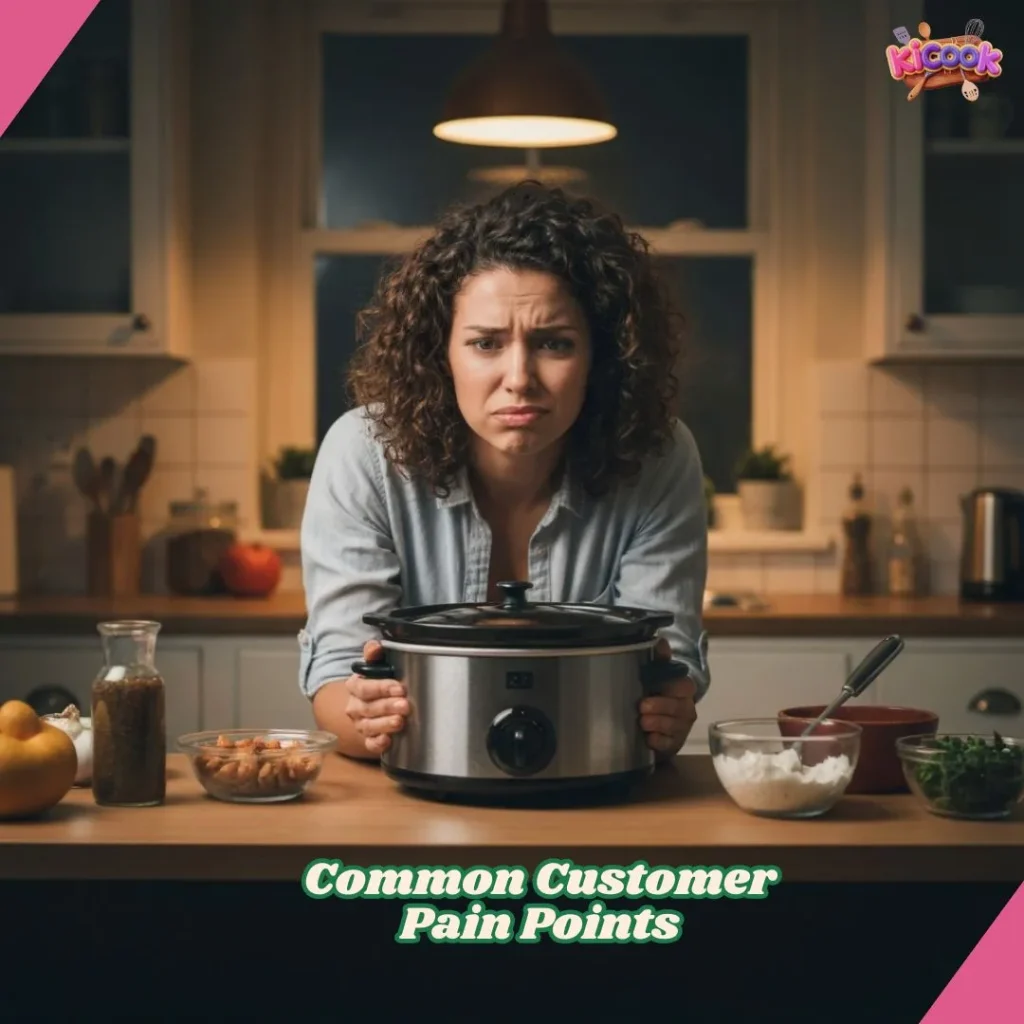
Common Customer Pain Points (And Real Solutions)
“My slow cooker chicken is rubbery”
Cause:
- Cooked too long on low
- No browning
Fix:
- Brown chicken first
- Reduce cooking time
“Vegetables are mushy, meat is still hard”
Cause:
- Wrong food order
Fix:
- Root vegetables on bottom
- Meat on top
“I don’t have 8 hours to cook”
Solution options:
- Use High setting
- Pre-cook ingredients
- Try slow cooker liners for easy cleanup
Is Slow Cooking Still Worth It?
Yes, but only if used correctly.
Slow cooking is ideal for:
- Stews
- Soups
- Tough meat cuts
- Batch cooking
It is not ideal for:
- Thin fish
- Quick meals
- Soft vegetables
Slow Cooker vs Other Cooking Methods
| Method | Cooking Time | Best For |
|---|---|---|
| Slow Cooker | 6–10 hrs | Stews, roasts |
| Pressure Cooker | 30–60 min | Fast meals |
| Oven | 1–2 hrs | Baking |
| Air Fryer | 10–30 min | Crispy foods |
Many families in the USA and London now use both slow cooker and pressure cooker.
Safety Matters (Very Important)
Slow cookers cook slowly to avoid bacteria growth.
According to the USDA food safety guide, slow cooking keeps food safe when used correctly.
Never:
- Start cooking frozen meat
- Leave food on Warm for many hours
Helpful Quotes from Real Experts
“Slow cooking is about patience and planning, not speed.” — Julia Child
“Low heat cooking builds flavor over time.” — Gordon Ramsay
“Great meals don’t need rushing.” — Ina Garten
Frequently Asked Questions
Why does slow cooker food take too long compared to oven food?
Because ovens use higher heat and dry air, while slow cookers use moist, low heat.
Can I speed up slow cooker cooking?
Yes. Use High heat, smaller cuts, warm liquids, and avoid opening the lid.
Why is my slow cooker stew watery?
Too much liquid and frozen vegetables are the main reasons.
Is slow cooking cheaper on electricity?
Yes. Slow cookers use less power than ovens, common in UK and Canadian homes.
Why does beef take so long in a slow cooker?
Tough beef cuts need time to break down collagen and become soft.
Simple Tips I Personally Use (That Work)
- Brown meat first
- Preheat broth
- Use fewer liquids
- Keep lid closed
- Cut food evenly
- Start early
These small changes reduce cooking time without losing flavor.
Final Thoughts: My Honest Conclusion
Slow cooker food takes too long to cook because it is built for safe, gentle, low-temperature cooking, not speed. Once I adjusted my habits, I stopped feeling frustrated and started enjoying better meals.
If you want fast cooking every day, a slow cooker may not suit you. But if you want easy, rich, comforting food, it is still a great kitchen tool. With the right steps, you can save time, avoid common mistakes, and finally enjoy your slow cooker the right way.
If this helped you, you are already cooking smarter—not slower.

“I believe great cooking starts with the right tools, trusted advice, and a little confidence in the kitchen.”
Hi, I’m Emma Carter. My love for cooking began in my grandmother’s kitchen, where I learned that every great meal starts with simple ingredients and the right cookware. Over the years, I’ve spent countless hours researching, testing, and comparing kitchen appliances, cookware, coffee makers, air fryers, and other everyday kitchen essentials.
Here at KiCook, my goal is to make your buying decisions easier with honest product reviews, practical buying guides, and easy-to-follow cooking tips. Whether you’re upgrading your kitchen or searching for the best appliance for your home, I focus on providing clear, reliable, and research-backed information you can trust.
When I’m not testing new kitchen gadgets or writing in-depth guides, you’ll usually find me trying new recipes, visiting local farmers’ markets, or enjoying a quiet cup of coffee while planning my next kitchen project.